

Congratulations to all the nominees!
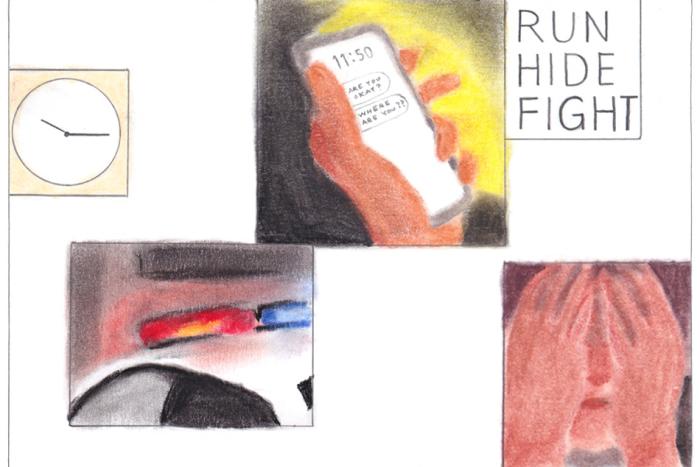
What does a campus shooting feel like?
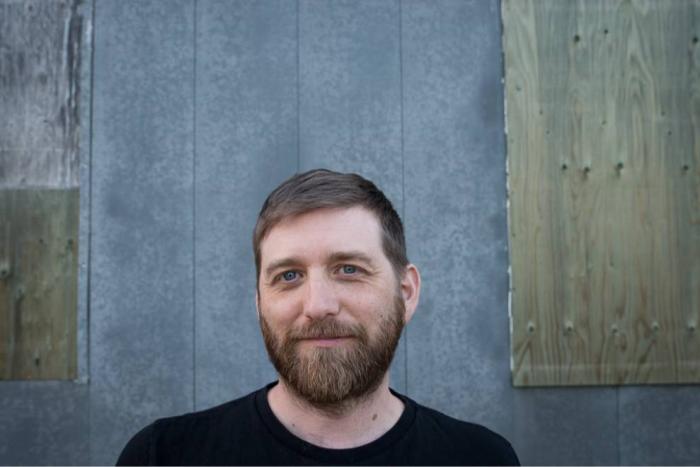
People love John Samson Fellows’s music. He doesn’t want to make it anymore.
Latest
Congratulations to all the nominees!
People love John Samson Fellows’s music. He doesn’t want to make it anymore.


When Wanda bought the house, she didn’t imagine that anyone in the community would recognize that she and Lynn were queer.

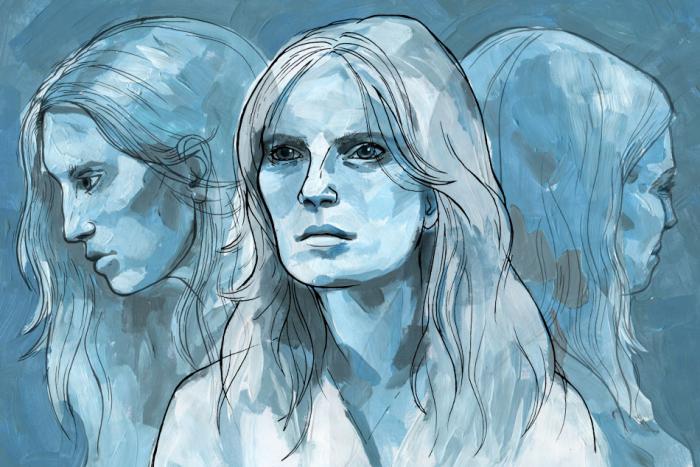
As an actor, director, writer and producer, she’s often examined women on the verge of reconfiguration. Her latest project, an adaptation of Alias Grace, is one she’s been thinking about for decades.
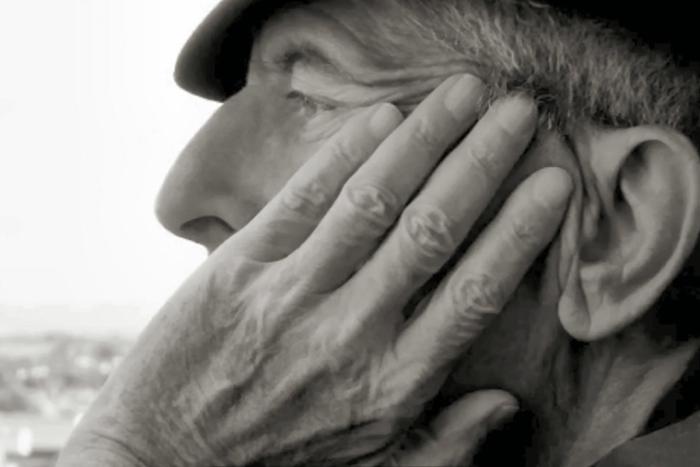
Leonard Cohen's decision to pursue music as a career certainly proved a good one—for him and for us—but I'm still curious about what we lost when he gave up writing fiction.
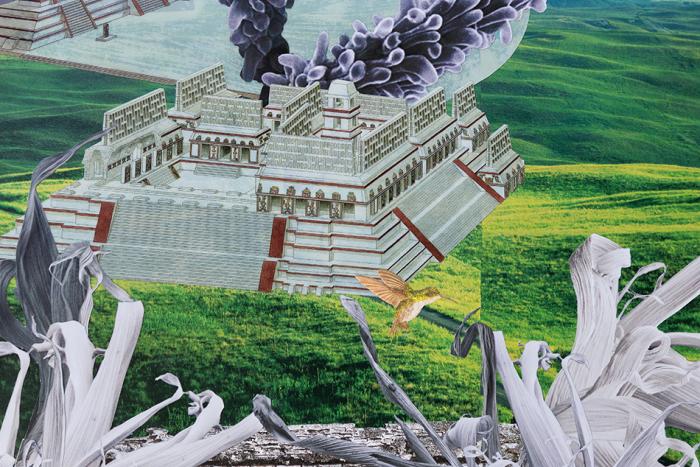
We pretend that we are outside of nature, but wherever we are, we are part of an ecosystem—sickness reminds us that our bodies are porous.
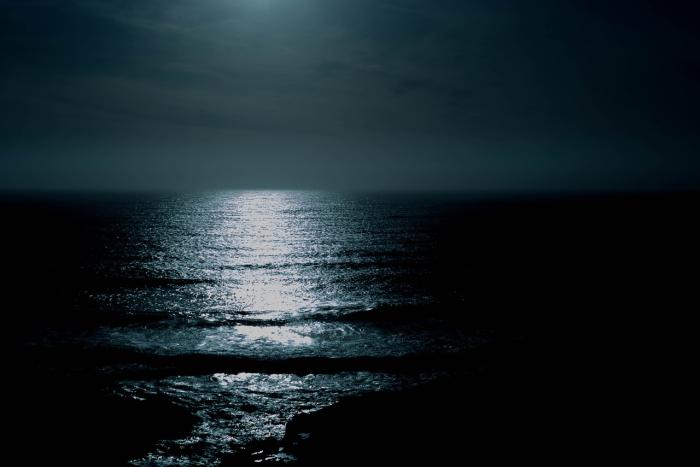
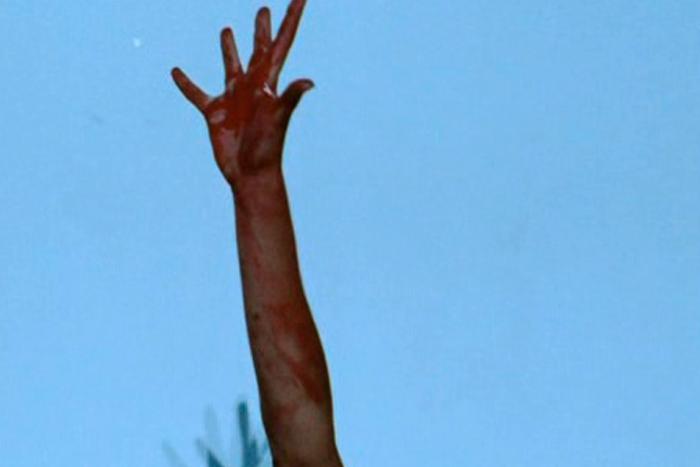
The 1973 film Messiah of Evil doesn’t scare with monsters—it shows instead how horror can annex a place, compelling you to pass through familiar and traumatic rooms, dread gathering as your heel meets the floor.
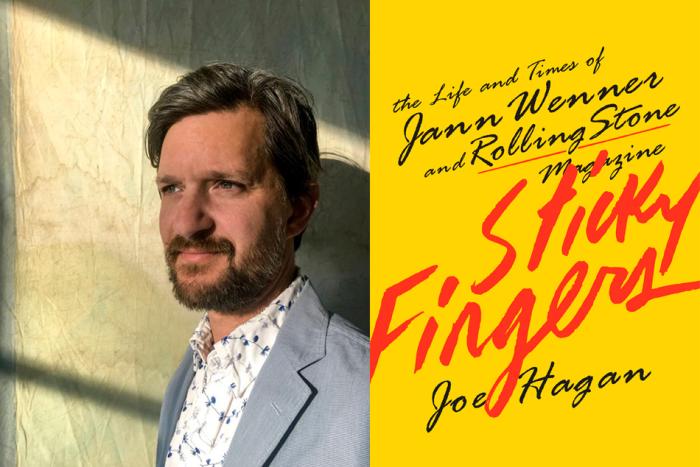
The author of the new Jann Wenner biography Sticky Fingers on writing a book that angers its subject, the influence and legacy of Rolling Stone, and the narcissism of Baby Boomers.