

Congratulations to all the nominees!
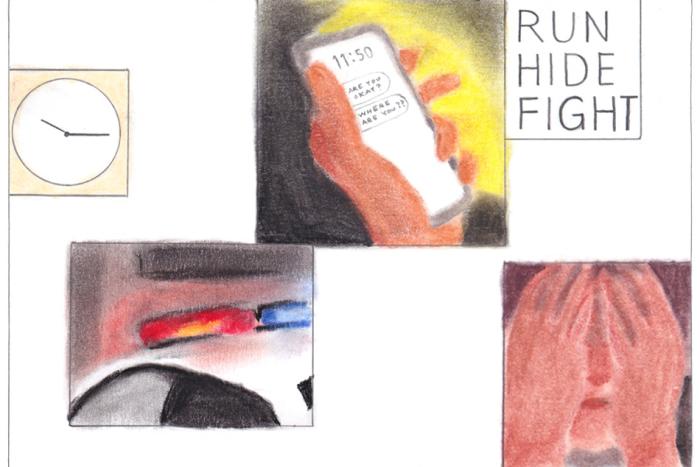
What does a campus shooting feel like?
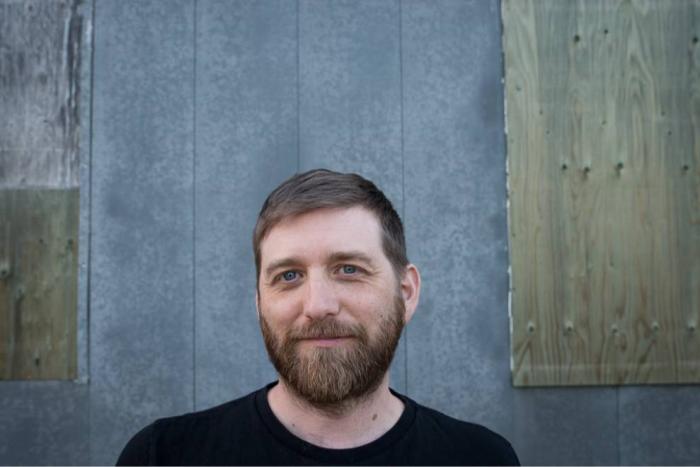
People love John Samson Fellows’s music. He doesn’t want to make it anymore.
Latest
Congratulations to all the nominees!
People love John Samson Fellows’s music. He doesn’t want to make it anymore.


When Wanda bought the house, she didn’t imagine that anyone in the community would recognize that she and Lynn were queer.

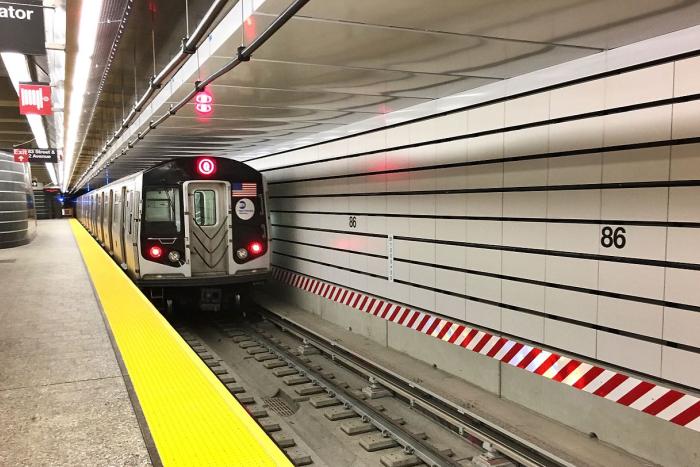

Finding myself in a sport that always felt connected to my father's rage and regret.
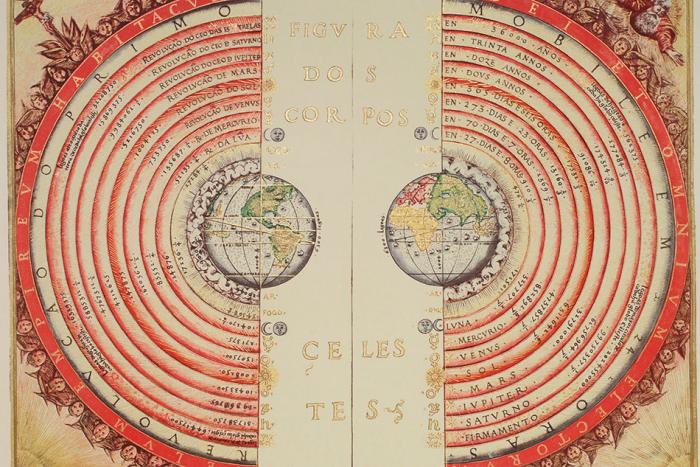
On the shared origins of two seemingly incongruent disciplines and the language we use to explain our place in the universe.
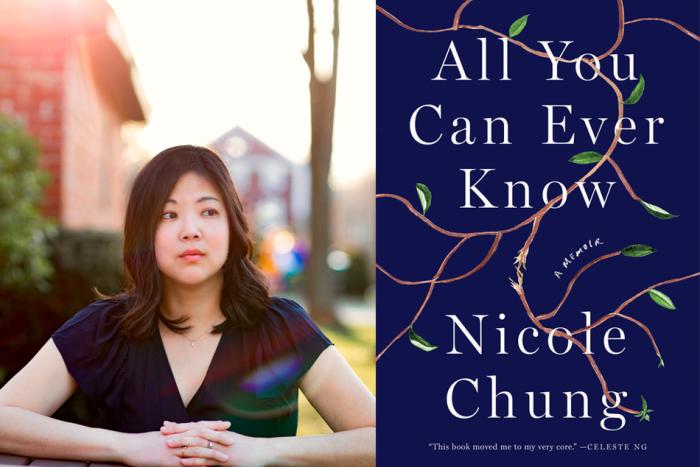
The author of All You Can Ever Know on family secrets, nature versus nurture, and Kristi Yamaguchi.
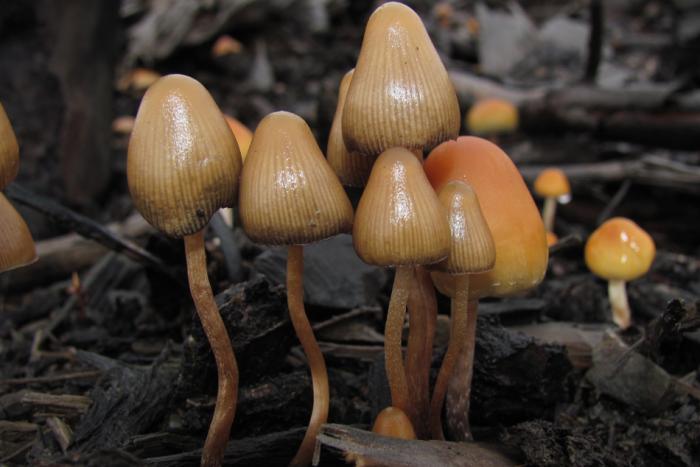
Despite decades of contributions to psychedelic science, women have long been marginalized in the field. That's starting to change.

The author of Kens on the power of satire, rituals of rejection, and imagining Christian Slater.