

Congratulations to all the nominees!
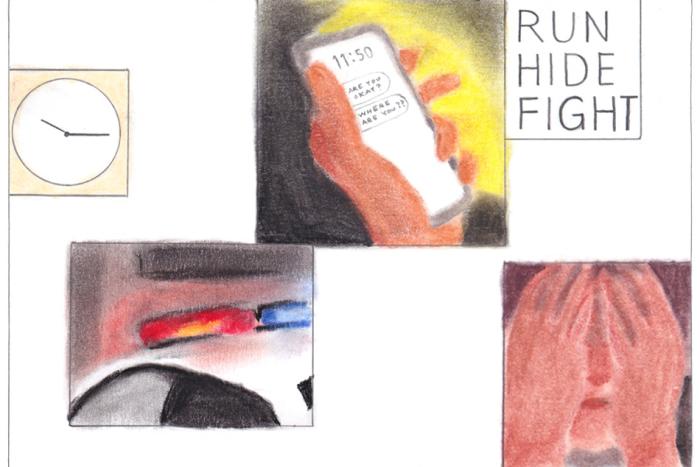
What does a campus shooting feel like?
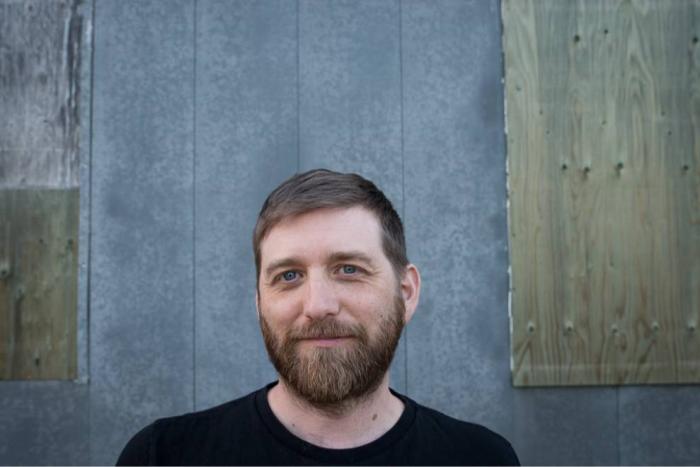
People love John Samson Fellows’s music. He doesn’t want to make it anymore.
Latest
Congratulations to all the nominees!
People love John Samson Fellows’s music. He doesn’t want to make it anymore.

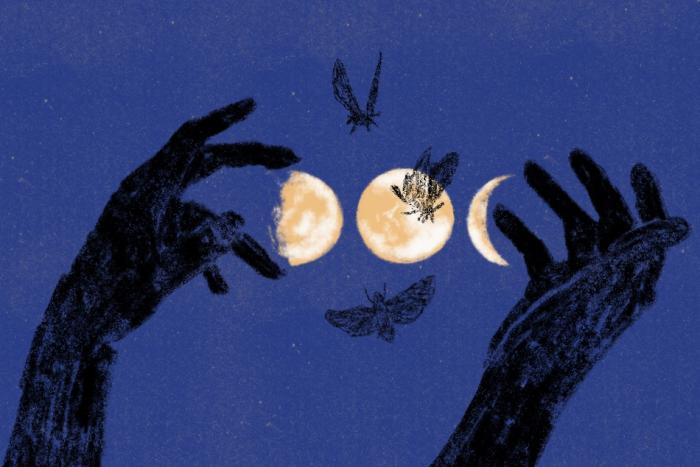
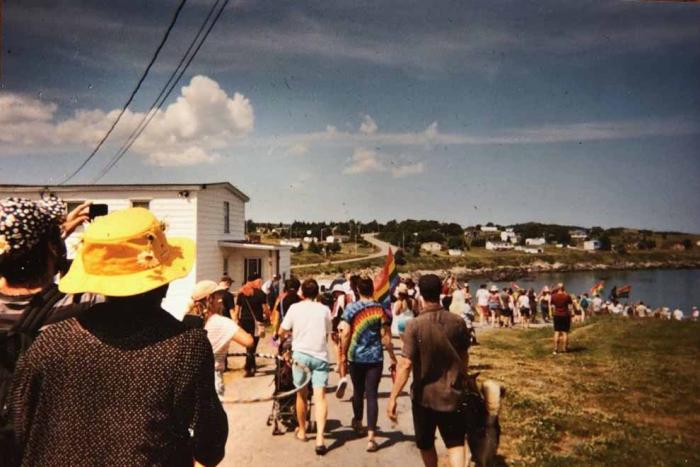
When Wanda bought the house, she didn’t imagine that anyone in the community would recognize that she and Lynn were queer.

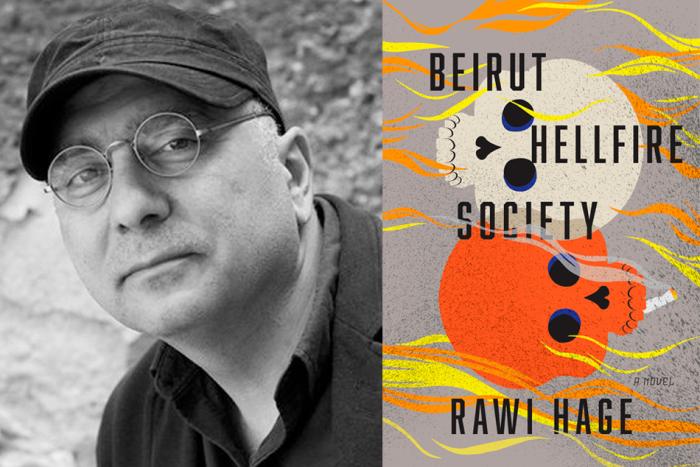
The author of Beirut Hellfire Society on writing about the Lebanese Civil War, collective memory, and the selfishness of Greek deities.


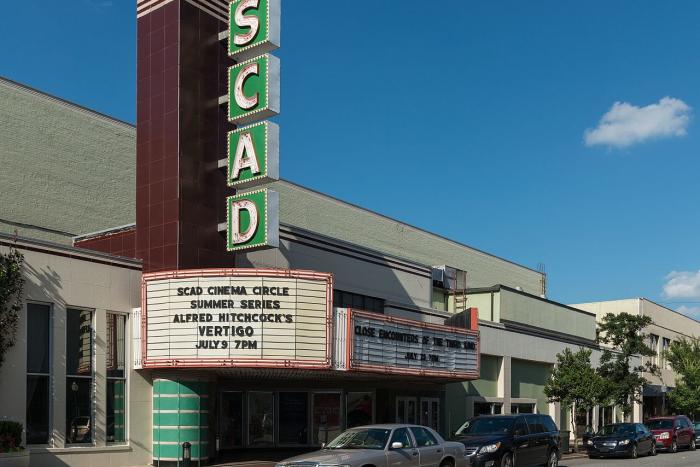
I thought I could escape my jail kid past in an idyllic southern city. But trouble found me, and not everyone I knew got out alive.
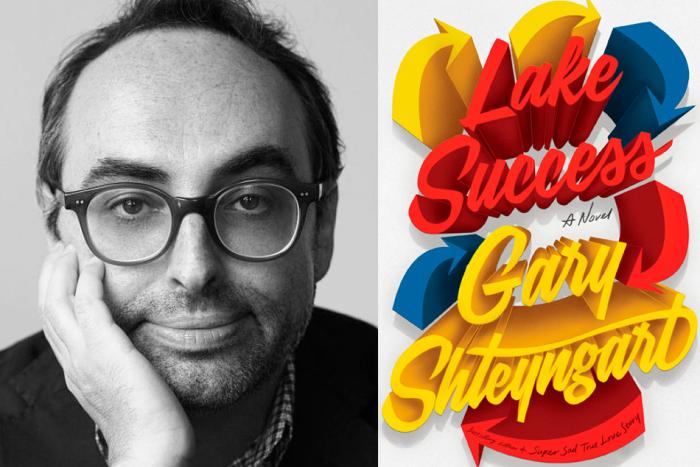
The author of Lake Success on Republicanism, capitalism in the age of Trump and the strange ways we differentiate serious fiction and humour.
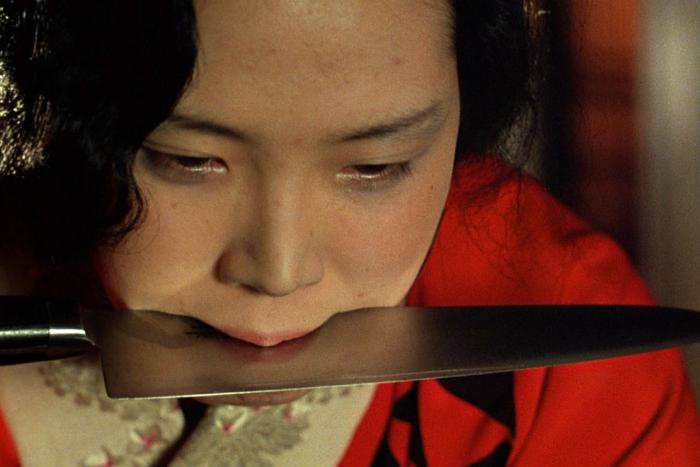
Matsuda Eiko's career illustrates the erasure that occurs when women's creative work is falsely reduced to autobiography.