

Congratulations to all the nominees!
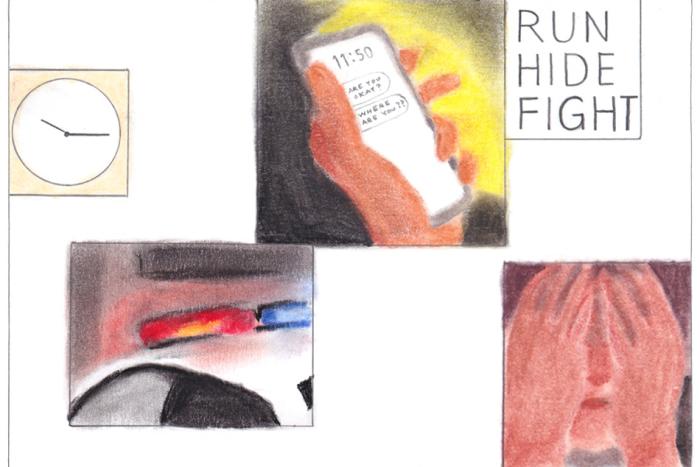
What does a campus shooting feel like?
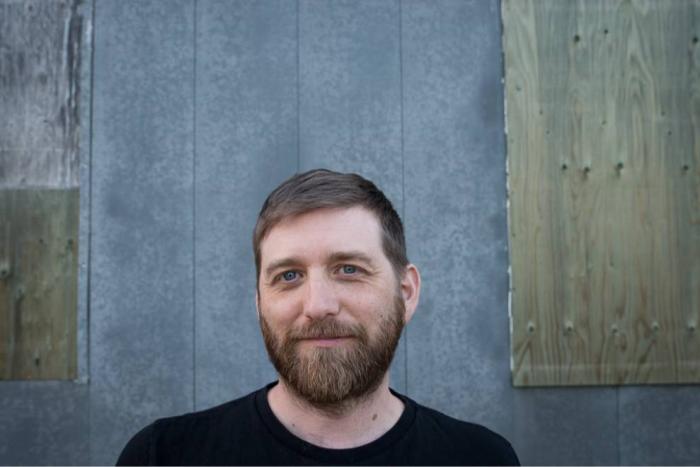
People love John Samson Fellows’s music. He doesn’t want to make it anymore.
Latest
Congratulations to all the nominees!
People love John Samson Fellows’s music. He doesn’t want to make it anymore.
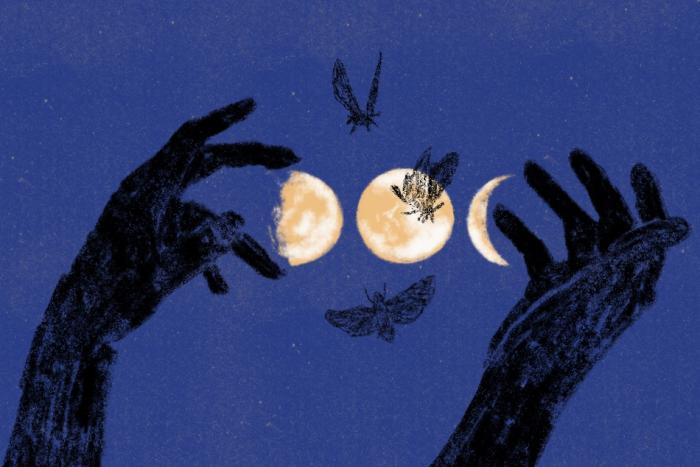
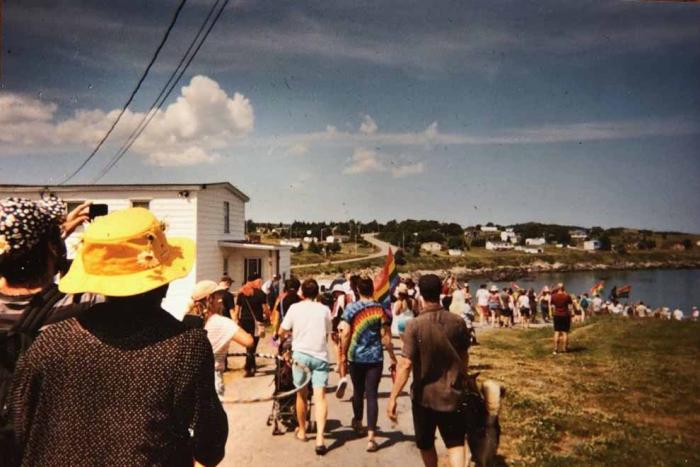
When Wanda bought the house, she didn’t imagine that anyone in the community would recognize that she and Lynn were queer.

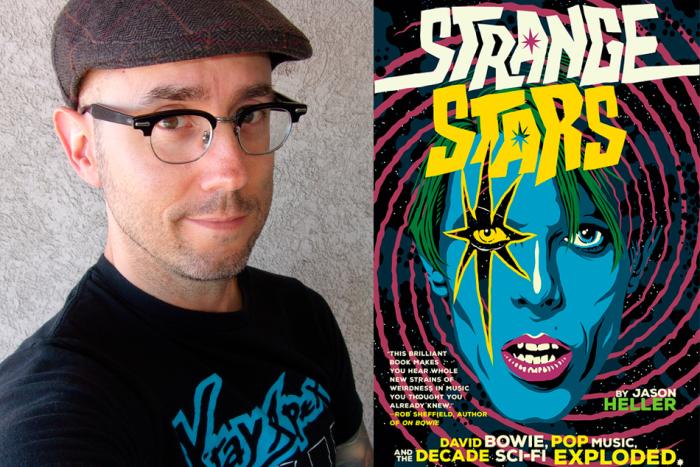
Talking about the Seventies, the inside-baseball debate over sci-fi vs. SF, and who's carrying the torch of sci-fi music today with the author of Strange Stars.
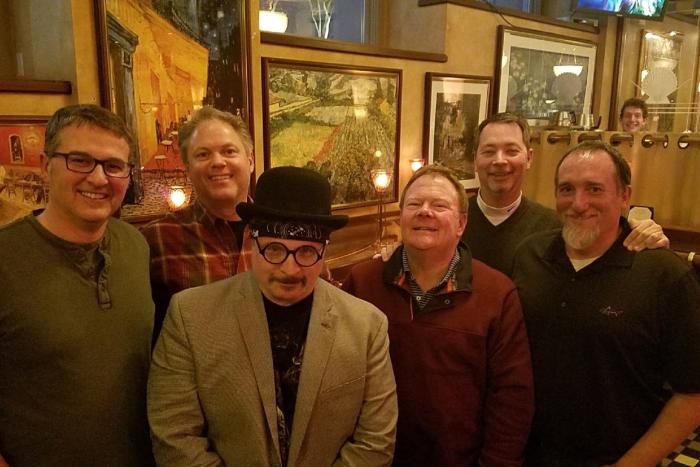
These ten friends have been playing the childhood game for decades—and each year, the stakes get higher. Now, their contest is being immortalized on film.

You go to Buc-ee’s for the same reason you break up with someone: to pursue possibility, that narcotic promise of more.
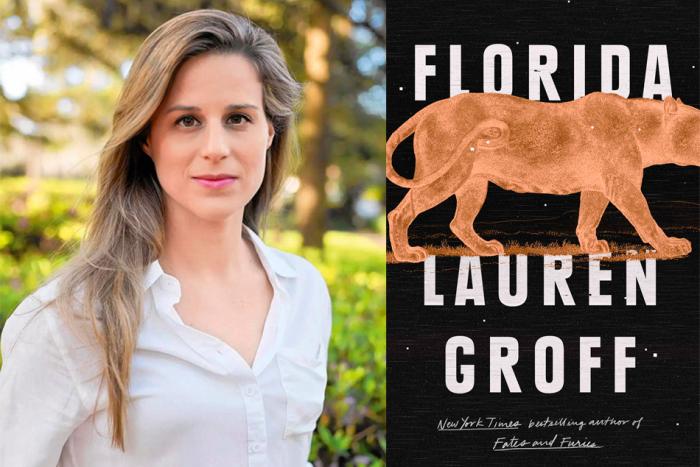
The author of Florida on the impact of landscape on the psyche, the political responsibilities of fiction, and playing with expectations.
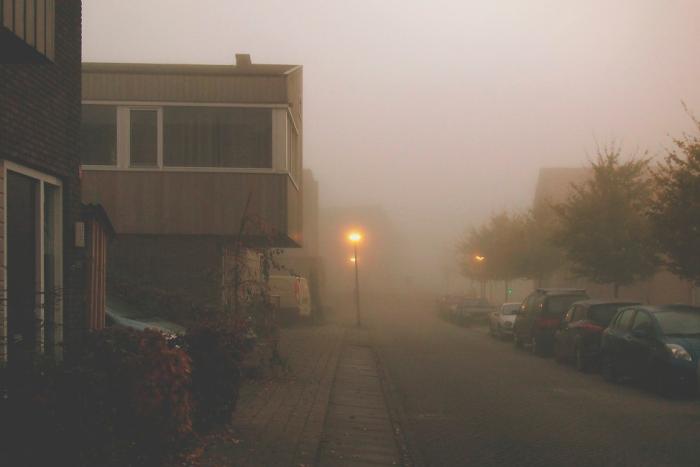
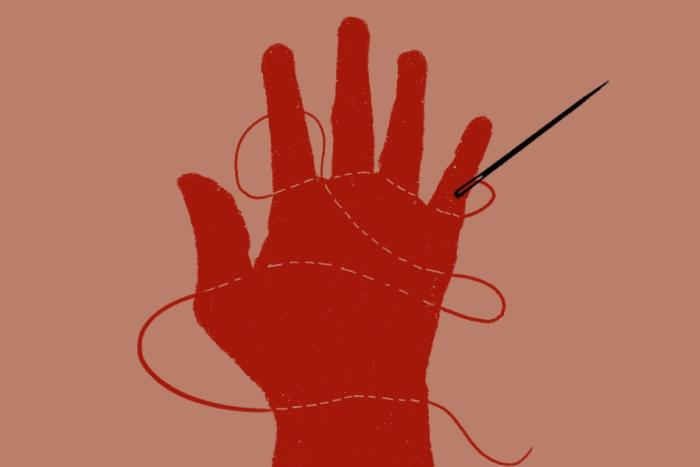
Surgery can be seen as way to escape being a trans woman, the freedom to disappear into an "ordinary" life. But my scars, my complicated being, mean more than any illusion of freedom.
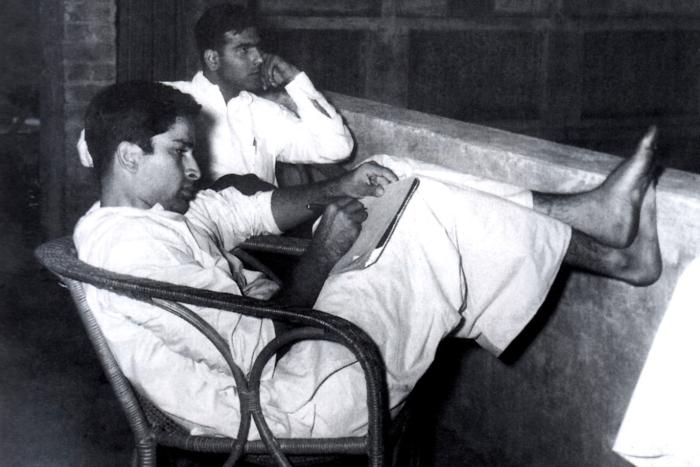
In their decades of collaboration, the company created films tethered in a new language for what it means to be a human of multiple descriptions.