

Congratulations to all the nominees!
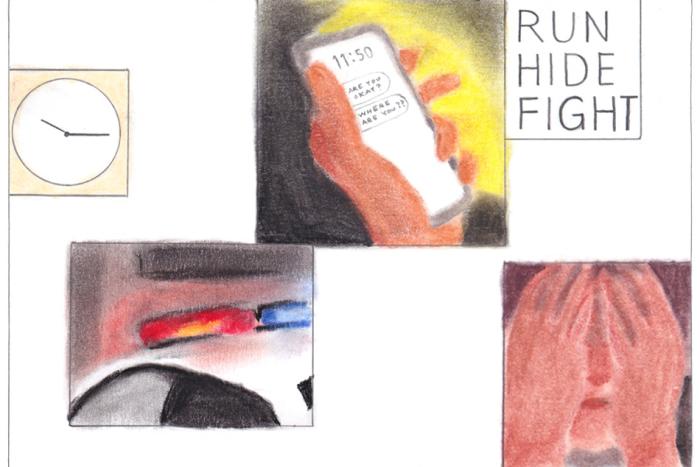
What does a campus shooting feel like?
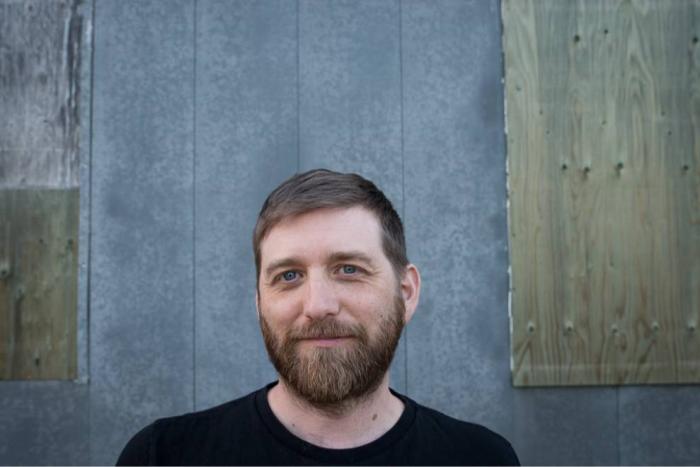
People love John Samson Fellows’s music. He doesn’t want to make it anymore.
Latest
Congratulations to all the nominees!
People love John Samson Fellows’s music. He doesn’t want to make it anymore.
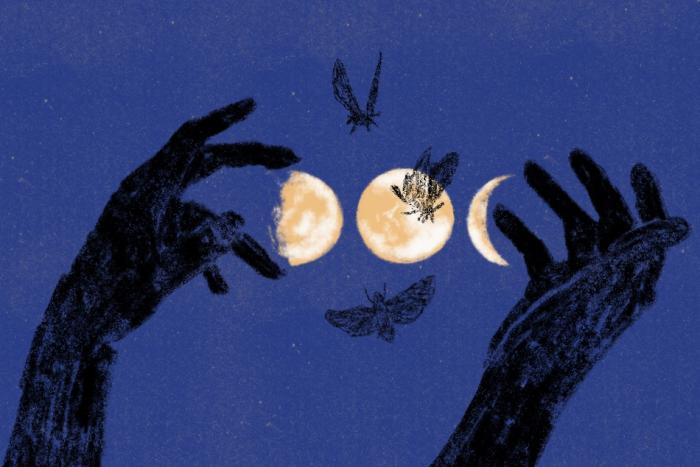
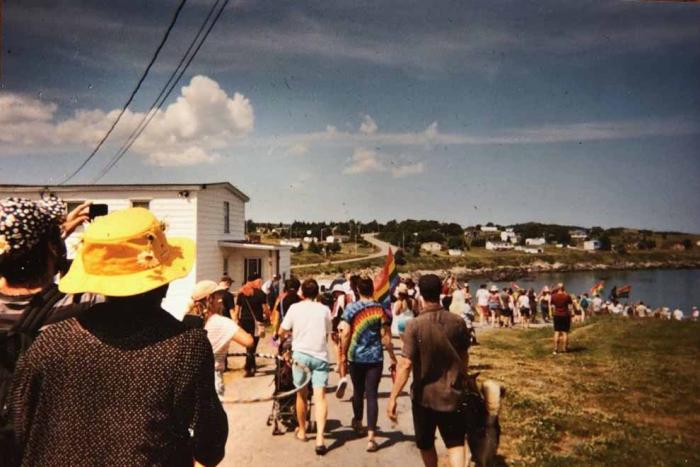
When Wanda bought the house, she didn’t imagine that anyone in the community would recognize that she and Lynn were queer.
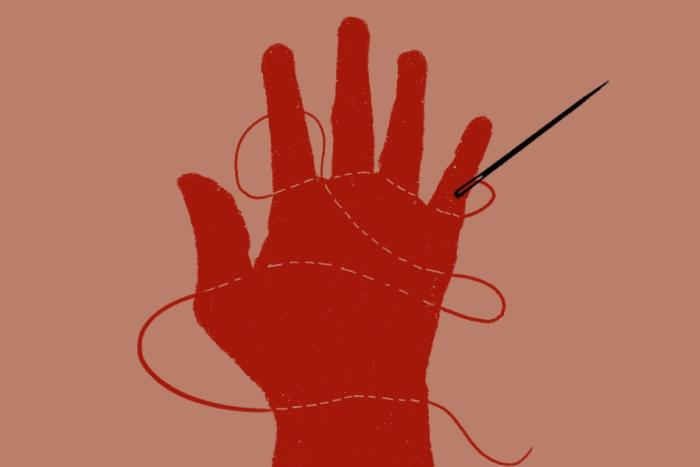

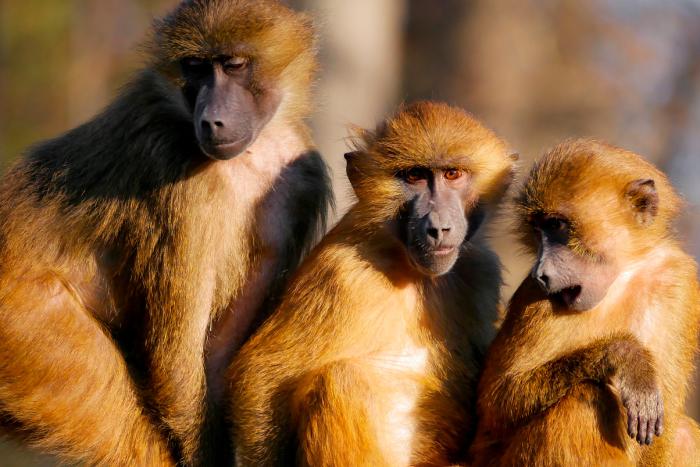
Searching for a meaningful bond among those who are paying to find it.
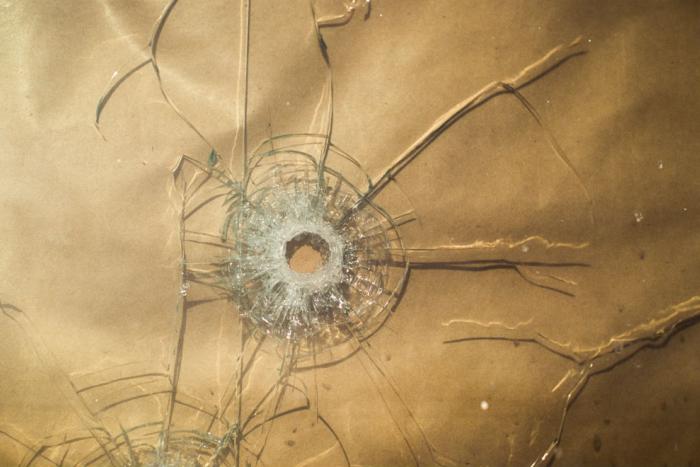
A shot from my father’s gun killed our neighbor and traced a trajectory through decades of guilt, shame, fear and anger. Unraveling the moment my family calls "the accident."
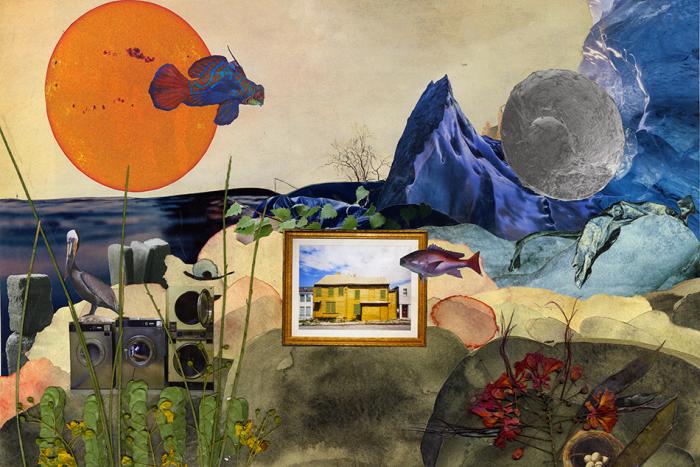
Since returning to New York City, I’ve thought deeply about the ways trauma has estranged me from myself. Growth has meant restoring my relationship with my bodily experience.
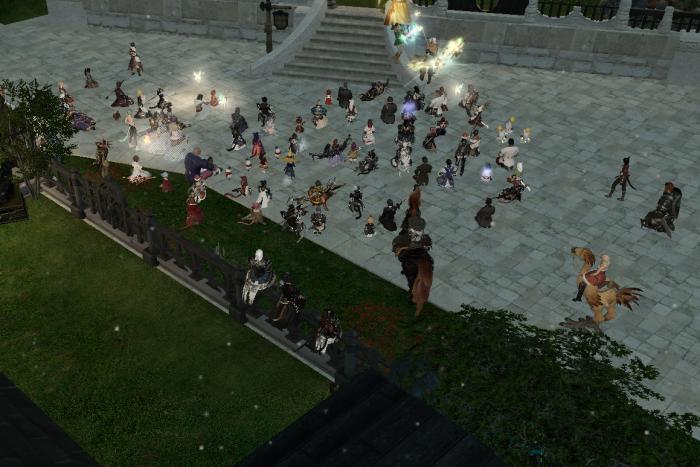
As more and more friendships are built virtually, we must confront the nuances of grieving someone you've never met in person.
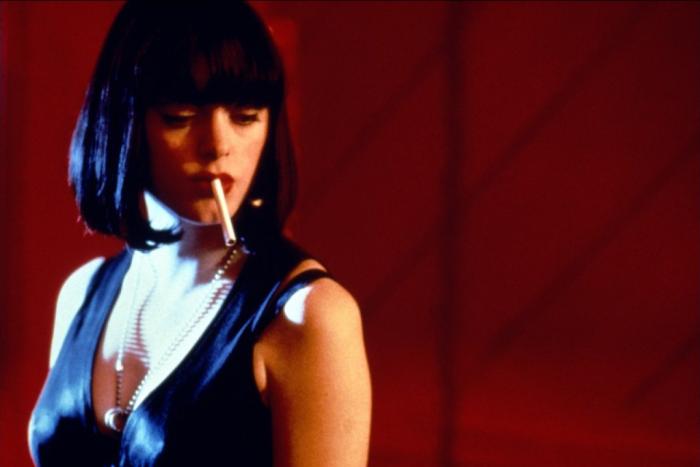
Rose McGowan suffered from the worst of the Hollywood machine and reclaimed her body and her narrative. But her all-for-one methods have alienated fellow activists.
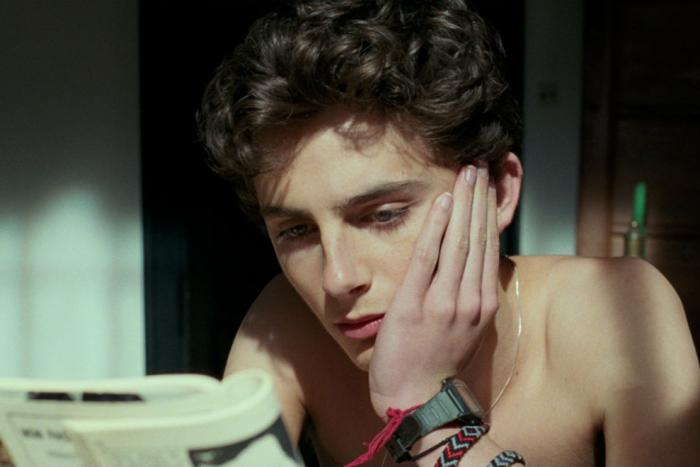
On the aesthetics and sensuality of the Oscar-nominated director behind Call Me By Your Name.