

Congratulations to all the nominees!
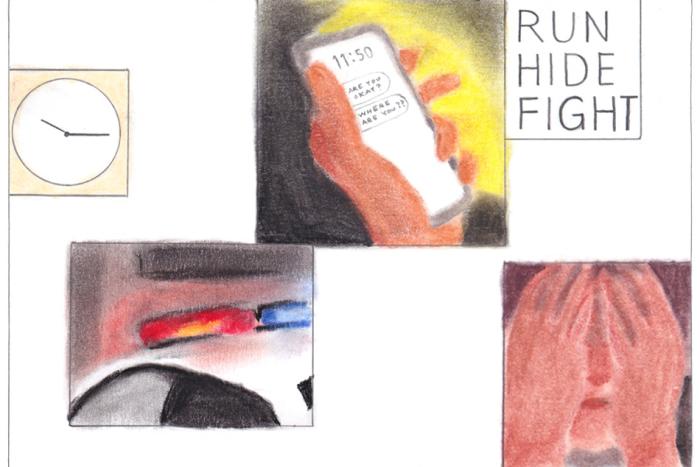
What does a campus shooting feel like?
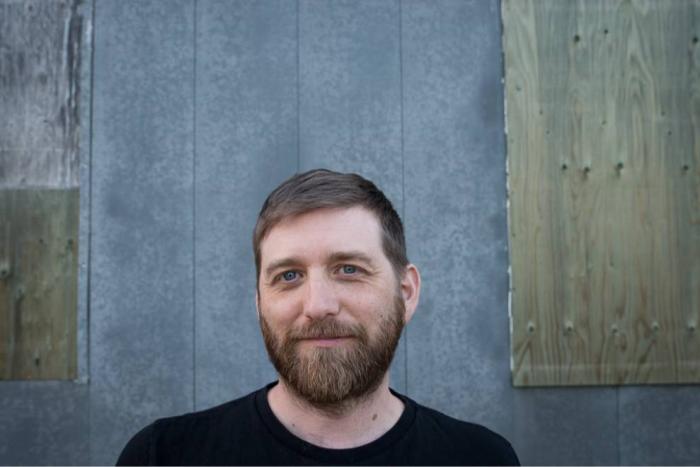
People love John Samson Fellows’s music. He doesn’t want to make it anymore.
Latest
Congratulations to all the nominees!
People love John Samson Fellows’s music. He doesn’t want to make it anymore.

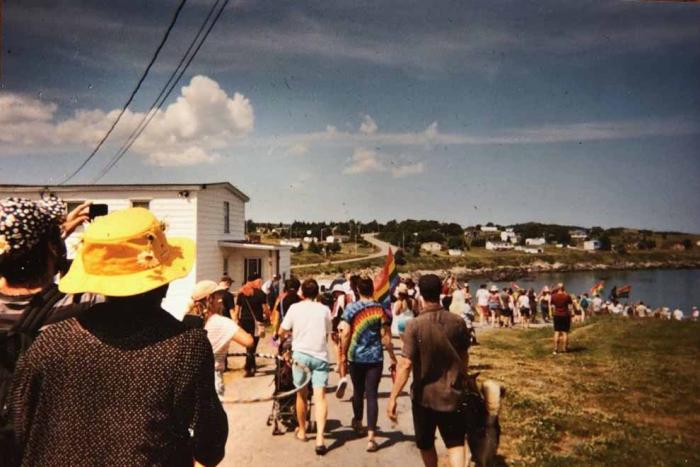
When Wanda bought the house, she didn’t imagine that anyone in the community would recognize that she and Lynn were queer.

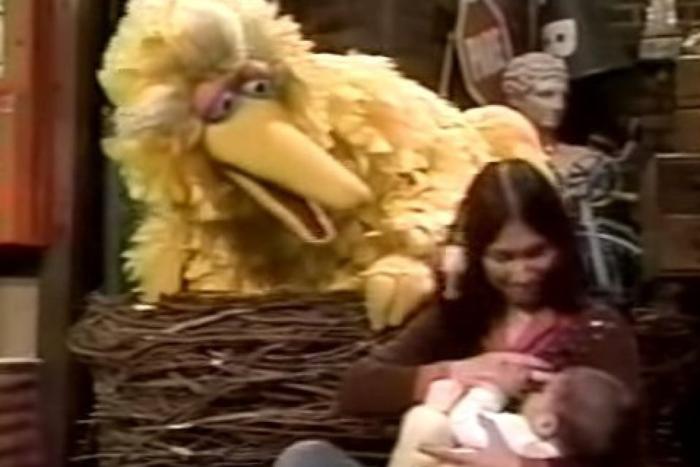
Buffy Sainte-Marie’s decision to breastfeed her child on Sesame Street to educate viewers would be one of the last times the act was broadcast without being a punchline.
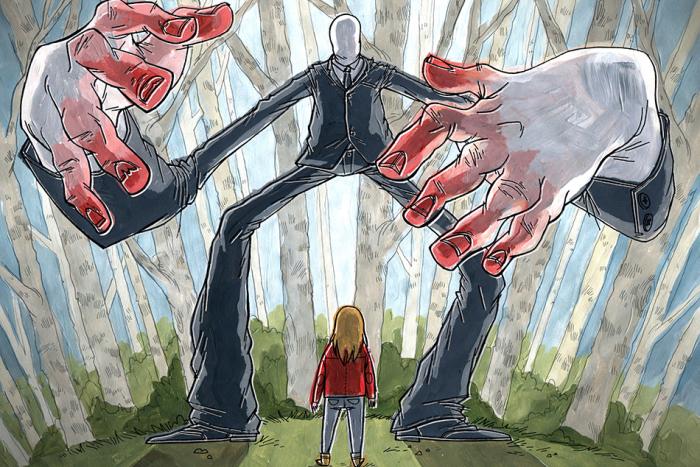
Three little girls, an Internet boogeyman, and a stabbing in the woods on a sunny afternoon. Inside the trials of Morgan Geyser and Anissa Weier.
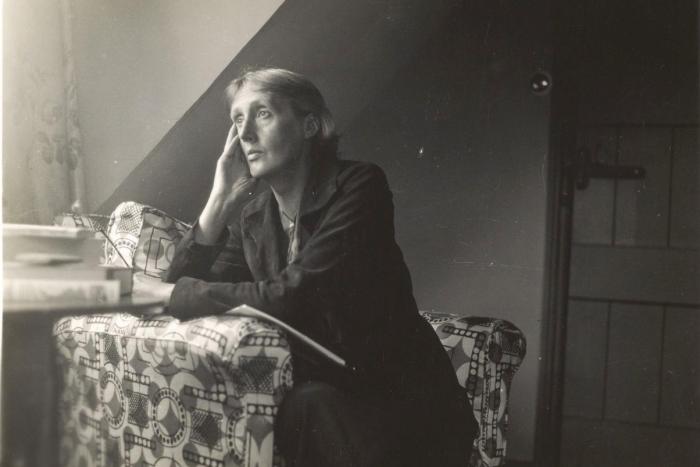
Did these women hate themselves, or did they write about a world that hated them?
There comes a moment, and perhaps it has come in 2017, when I need to believe something better is coming.
Being a woman in male spaces is a gradual, embedded process of disloyalty. When it makes you uncomfortable and sad, that, you are told, is the price of safety.
Radical self-care in a randomized order to match all the curveballs coming at us in this new Thunderdome where we are all trapped.