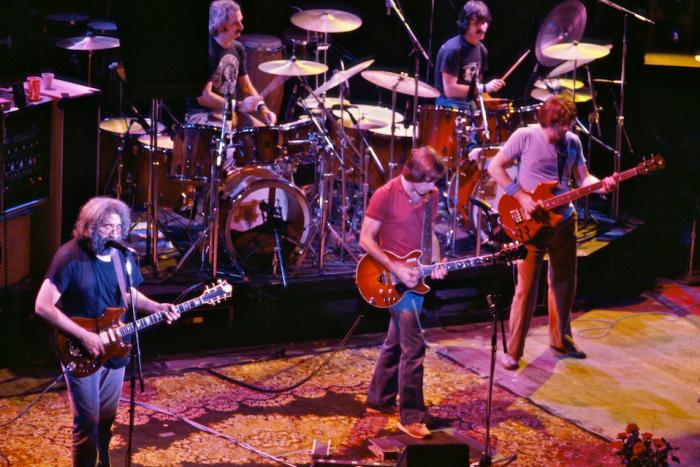
Congratulations to all the nominees!
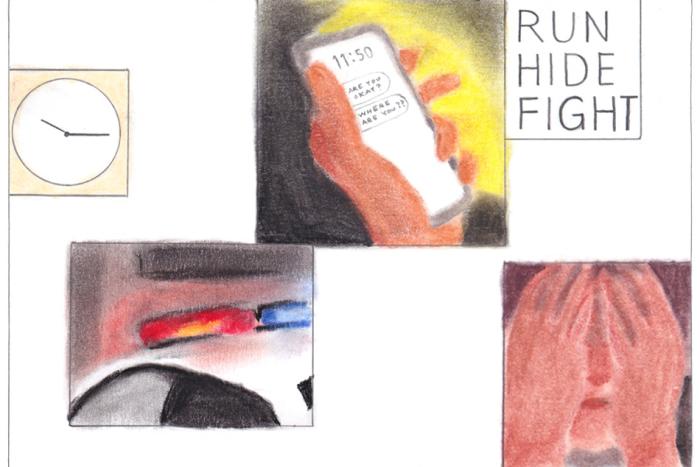
What does a campus shooting feel like?

People love John Samson Fellows’s music. He doesn’t want to make it anymore.
Latest
Congratulations to all the nominees!
People love John Samson Fellows’s music. He doesn’t want to make it anymore.

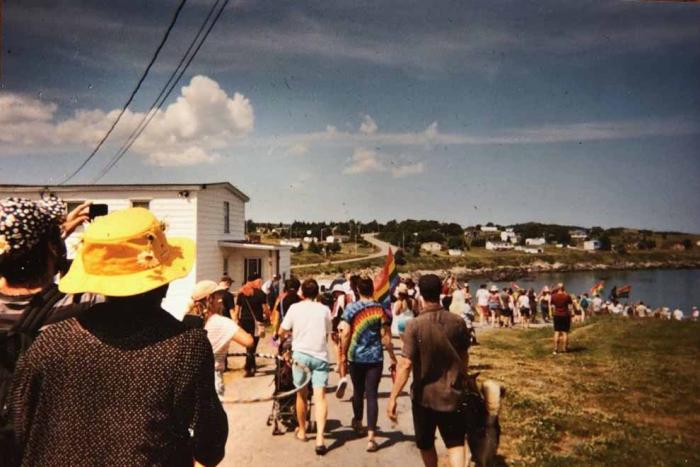
When Wanda bought the house, she didn’t imagine that anyone in the community would recognize that she and Lynn were queer.

Over the past few decades, loneliness has reached almost epidemic levels, with men uniquely suffering its effects. How and why has isolation become such a threat?
This is the first time in all eighteen years of her life that Grace has ever snuck out of her mother’s house.
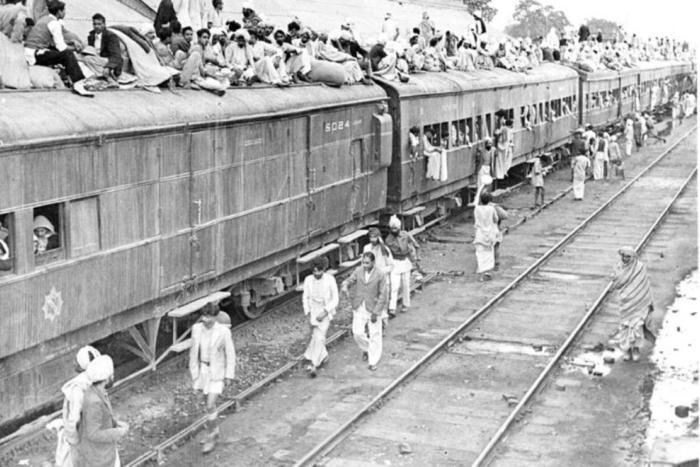
To be haunted by nostalgia is probably to be writing. Seventy years after Partition, India becomes, in our sentimental imaginations, both sweepingly general and intensely personal.
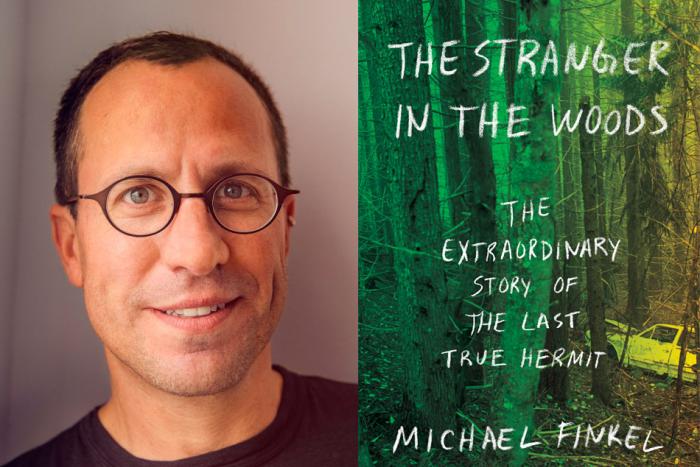
Talking to the author of The Stranger in the Woods about the hermit subject of his new book, what it takes to survive 27 years in solitude, and finding contentment in isolation.
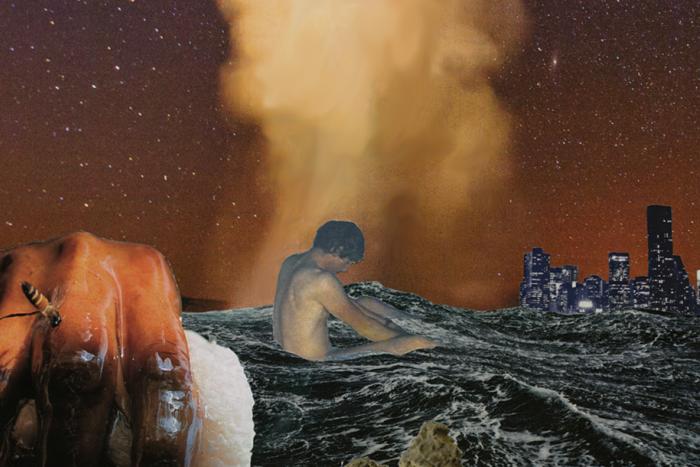
Our stories are stock: they hold the disparate parts of ourselves together—our desired flavor, how we want to taste, how we wish to be known.