

Congratulations to all the nominees!
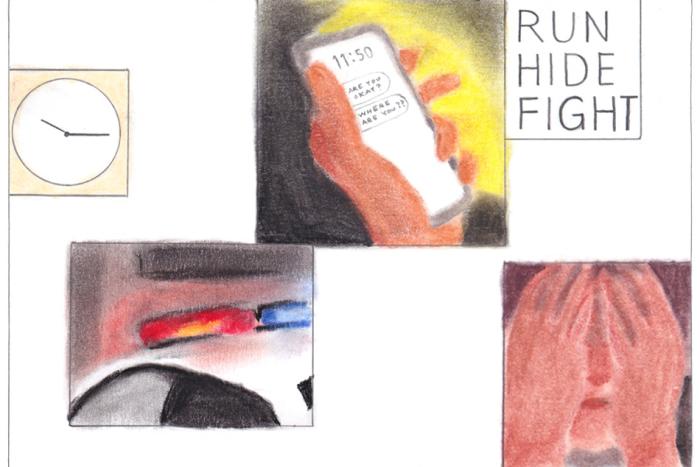
What does a campus shooting feel like?
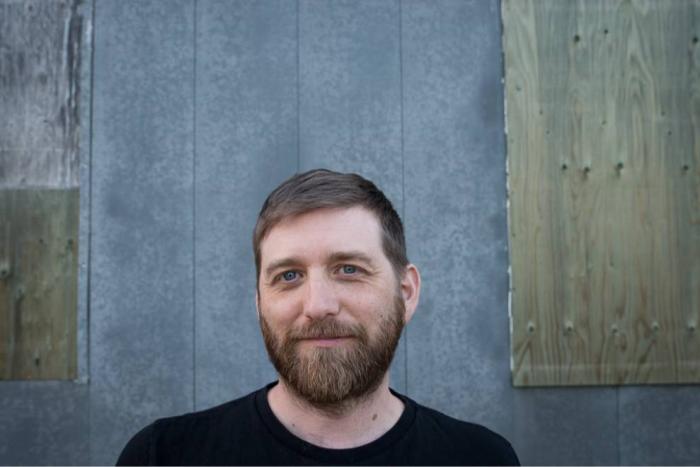
People love John Samson Fellows’s music. He doesn’t want to make it anymore.
Latest
Congratulations to all the nominees!
People love John Samson Fellows’s music. He doesn’t want to make it anymore.

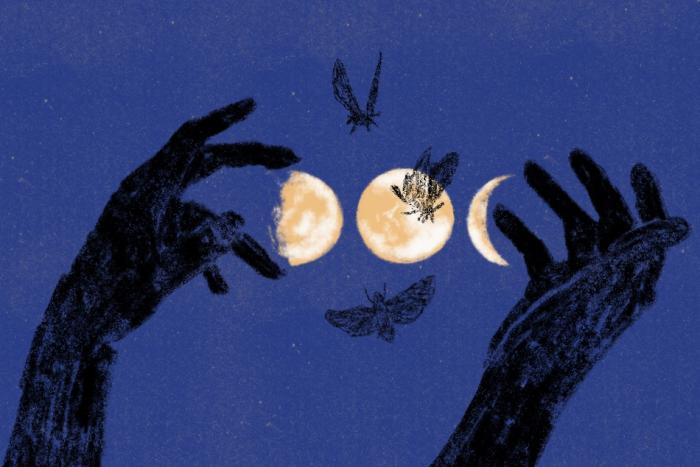
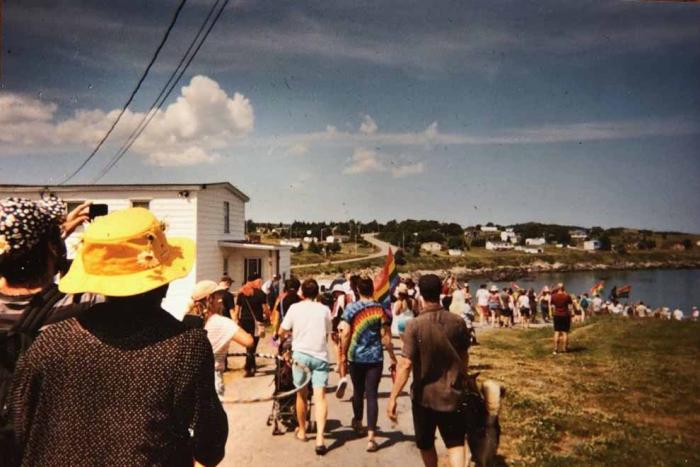
When Wanda bought the house, she didn’t imagine that anyone in the community would recognize that she and Lynn were queer.

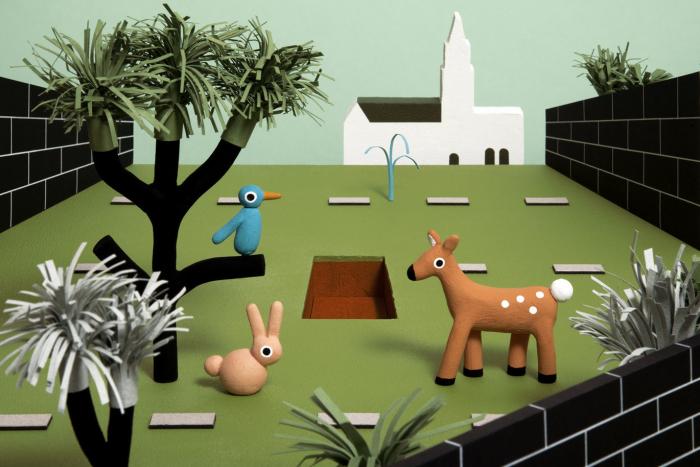
Described as a theme park necropolis, Forest Lawn Cemetery created a new template for posthumous culture in North America.

Growing up, I resisted identifying as disabled. Now, I’m seeking to better understand the label and the community behind it.
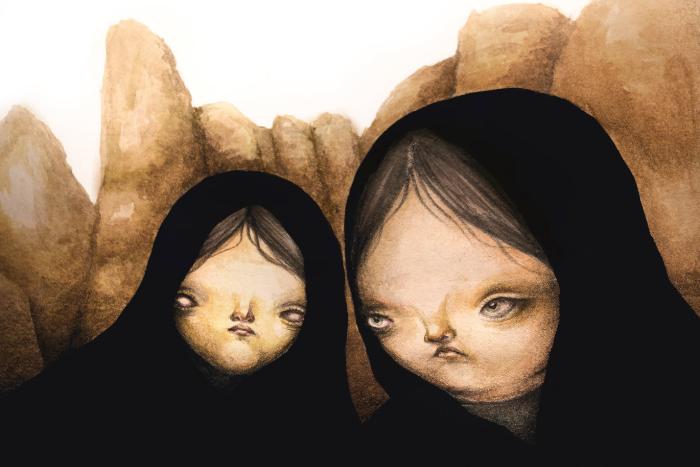
The figure of the witch looms conspicuously large in Catalan—in the gardens, on the roof, in the heart of the mountain.

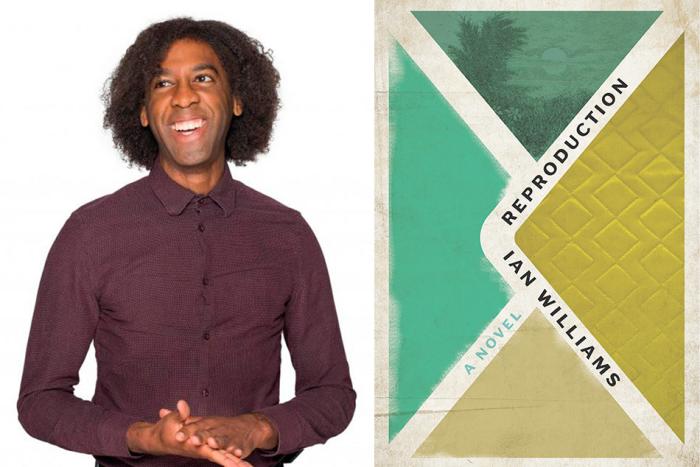
The author of Reproduction on "grammatical cathedrals," moods that linger, and how fiction talks.
I asked about the children we were to study: who were they, why were they to undergo the test, what was the purpose of our program? Though I also knew it wasn't any of my business.