

Congratulations to all the nominees!
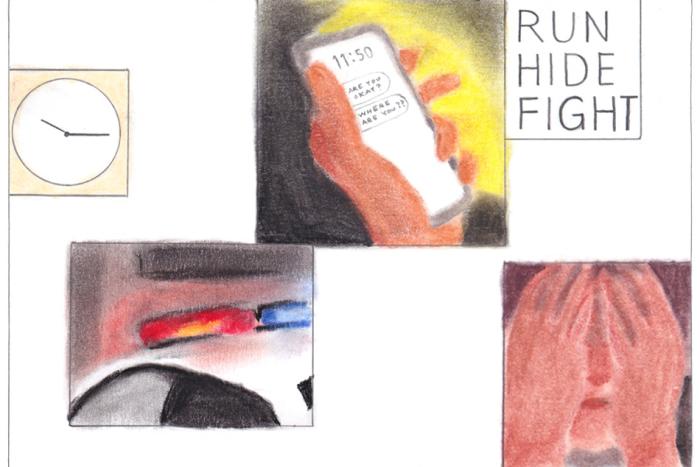
What does a campus shooting feel like?
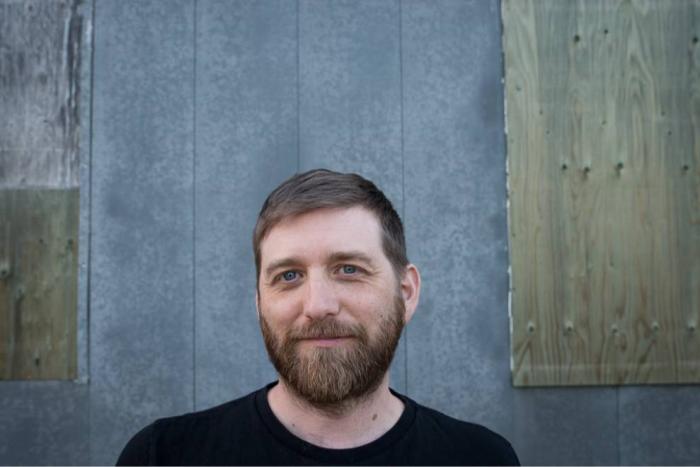
People love John Samson Fellows’s music. He doesn’t want to make it anymore.
Latest
Congratulations to all the nominees!
People love John Samson Fellows’s music. He doesn’t want to make it anymore.

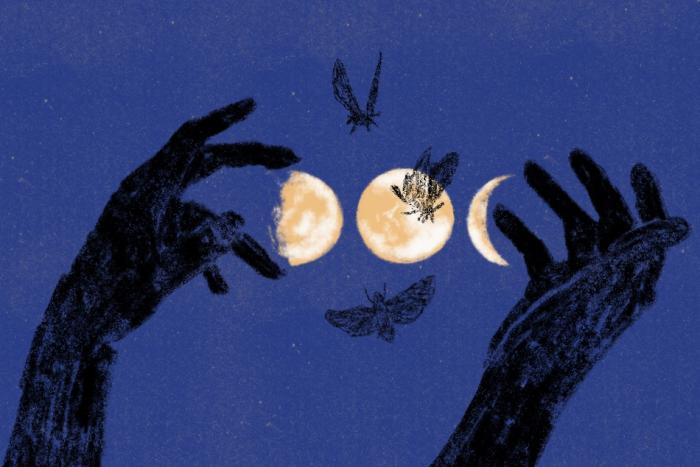

When Wanda bought the house, she didn’t imagine that anyone in the community would recognize that she and Lynn were queer.
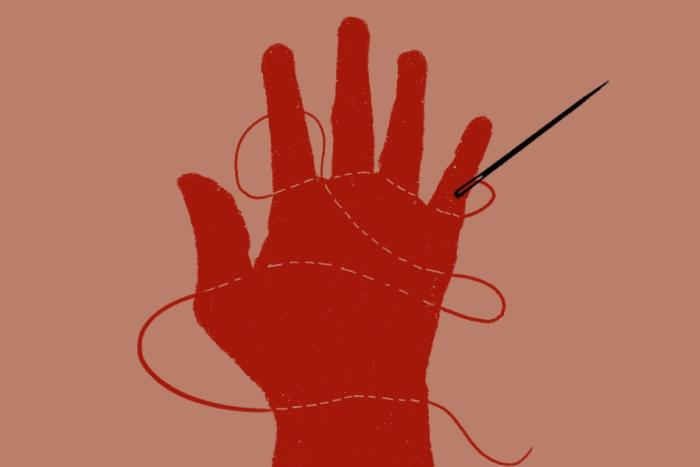

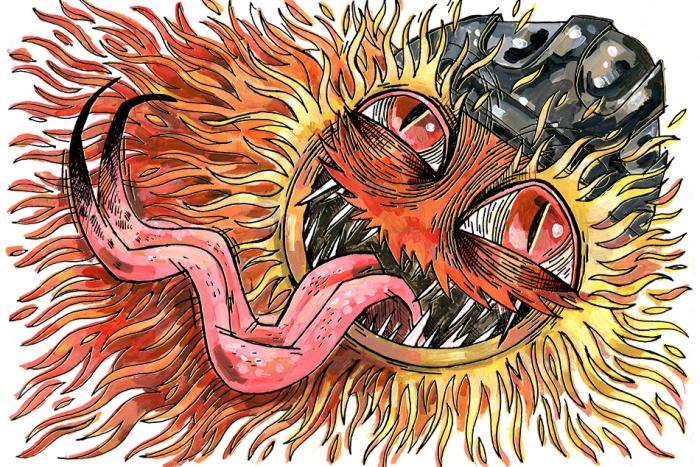
We don’t have to be monsters, but we can have a monster as our god. A god of justice, a god of righteous vengeance, a god of fire and fury, a god of Saturnalian fun.

As I moved into a house where I hope to stay forever, I spent a lot of time with things other people left behind.

This year, time flew marked by dishes, laundry, trash, repeat. Occasionally I was seized with the worry that I was not doing the correct things.
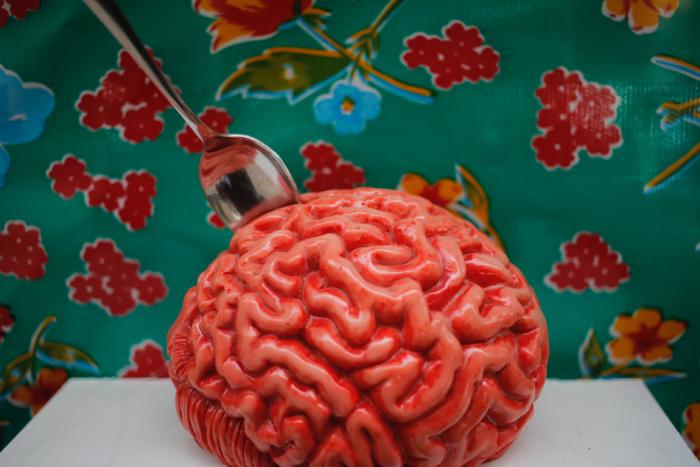
I stood up and the top of my skull slammed hard into the ceiling. Weird, I thought, and then I stopped thinking at all.

Days have become generally unmanageable, and for some people it helps a bit to have a dog around, which I encourage.
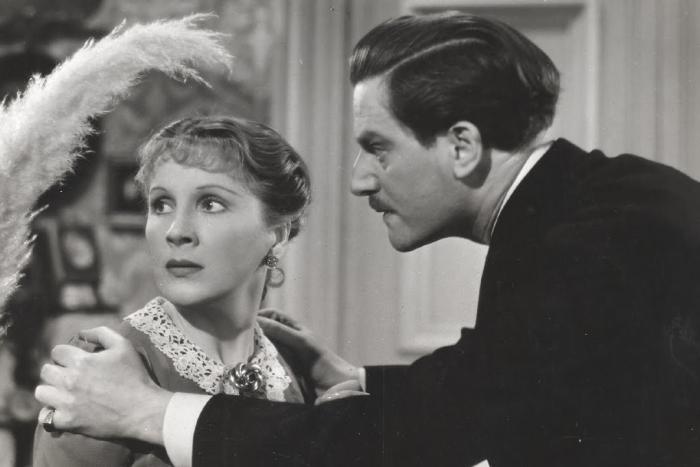
That’s the thing with emotional abuse. You stop trusting yourself, which makes it hard to be alone, so you stay and you listen to someone else's version of your shared story.