

Congratulations to all the nominees!
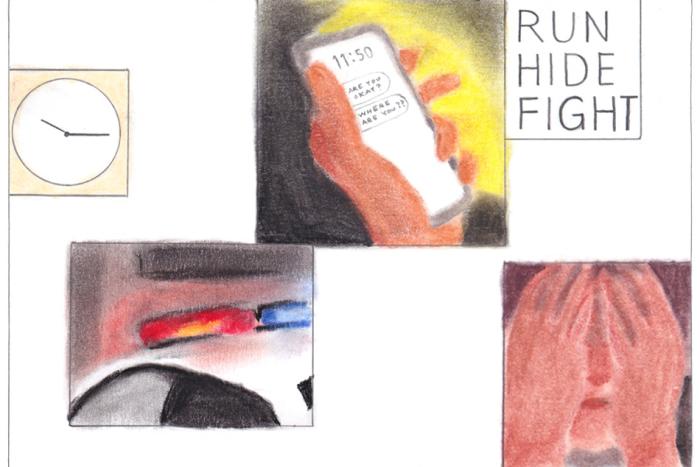
What does a campus shooting feel like?

People love John Samson Fellows’s music. He doesn’t want to make it anymore.
Latest
Congratulations to all the nominees!
People love John Samson Fellows’s music. He doesn’t want to make it anymore.

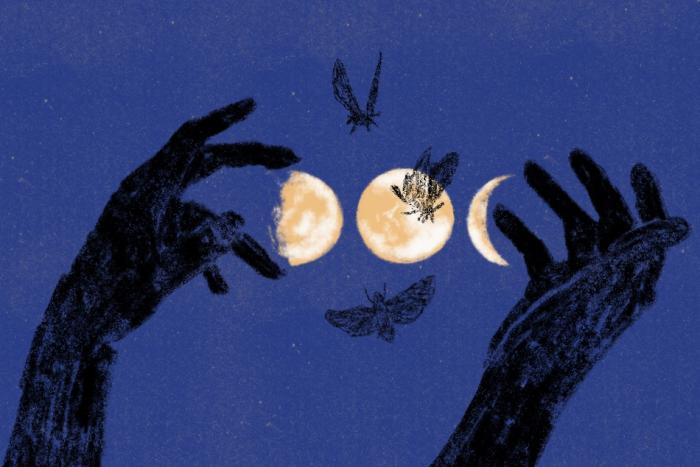

When Wanda bought the house, she didn’t imagine that anyone in the community would recognize that she and Lynn were queer.
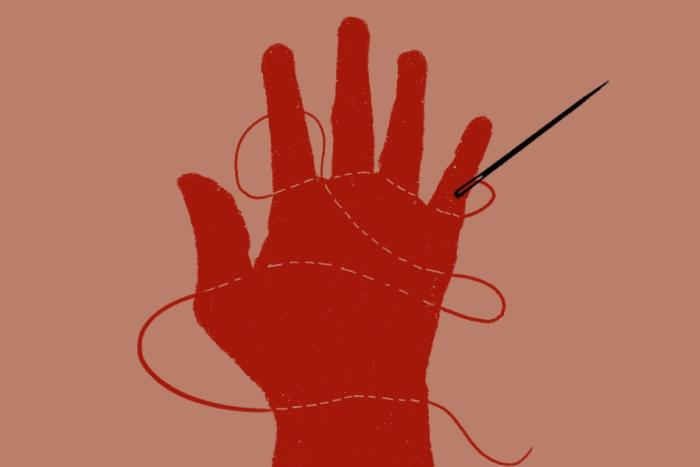


If a signature scent represents the delineations of a person fully fleshed, perfume samples offer the liberty of a protean form.

If beauty is in acts of ordinary devotion I think ugliness must be in the acts of everyday neglect.

The author of Fierce Femmes and Notorious Liars on the joy of writing a cast of women, the violence of passing and the responsibilities of media-makers.

I am learning what it is to be responsible for my own warmth.
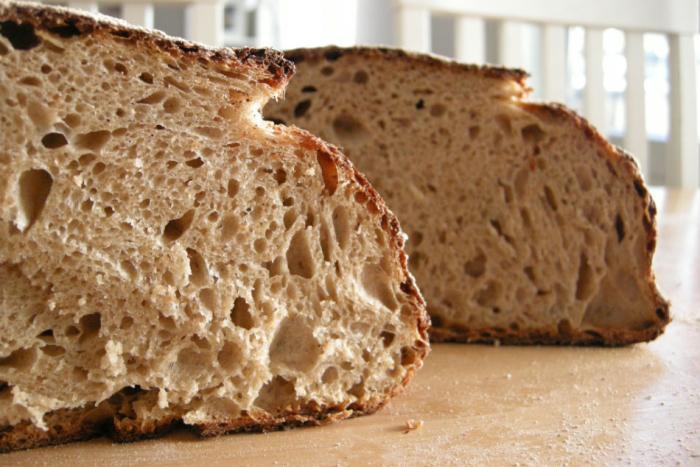
One thing I love about many types of guardianship in food is that it requires you watch, but not too closely.

My neighbourhood doesn't look like a place where, a century ago, hundreds of people were incinerated, and that's exactly the point.