

Congratulations to all the nominees!
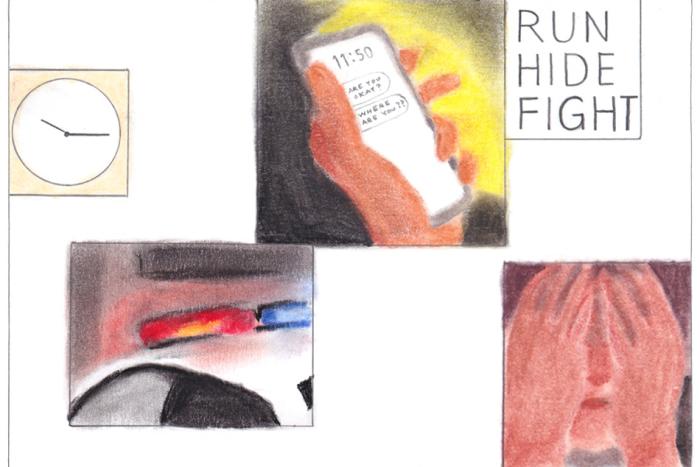
What does a campus shooting feel like?
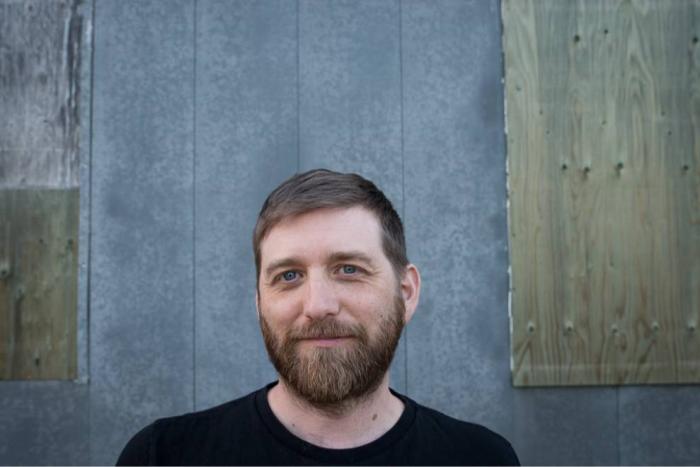
People love John Samson Fellows’s music. He doesn’t want to make it anymore.
Latest
Congratulations to all the nominees!
People love John Samson Fellows’s music. He doesn’t want to make it anymore.
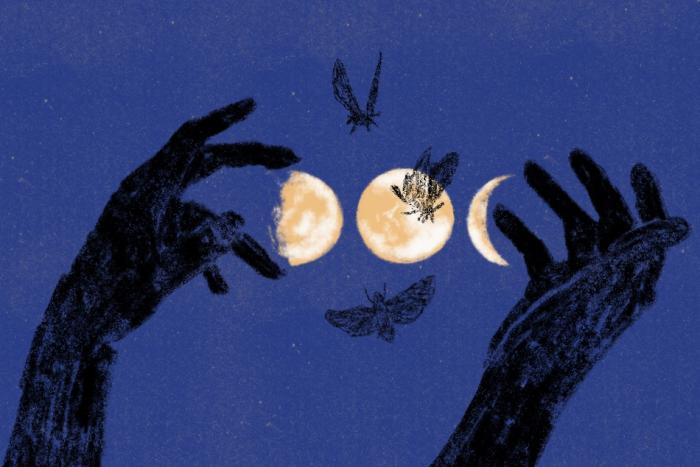
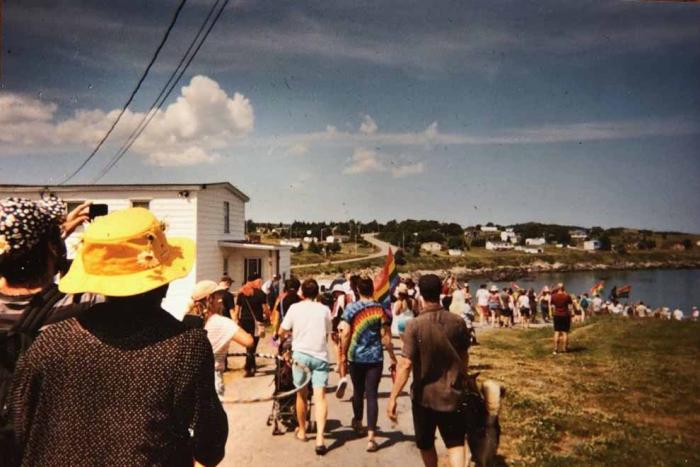
When Wanda bought the house, she didn’t imagine that anyone in the community would recognize that she and Lynn were queer.

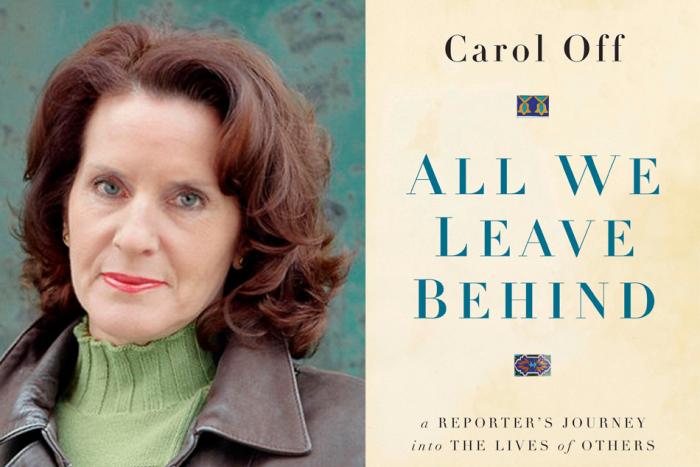
The As It Happens host and author of All We Leave Behind on fighting to cover conflict as a female journalist in the '80s, Canada's refugee system, and maintaining a moral compass.
Baseball is not yet undergoing a revolution, but it is no coincidence that in 2017, even this politically timid game now carries a whiff of the resistance.
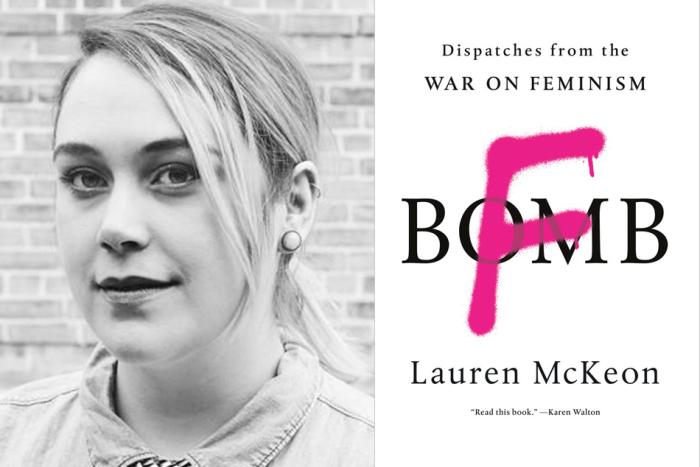
The author of F-Bomb discusses men's rights activists, the changes in modern feminism, and why the movement can't be a monolith.
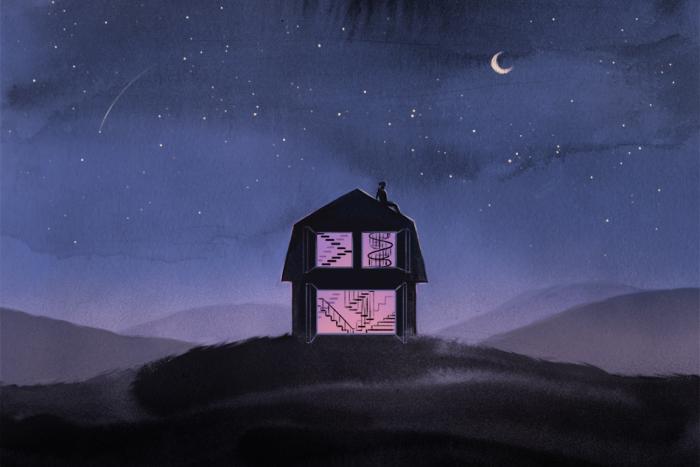
When her father died, her second thought was that now, she could build her stairs.
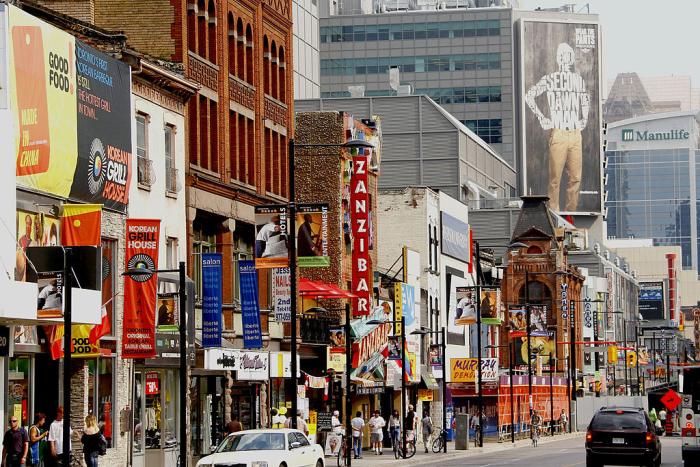
As I watched my childhood friend under arrest on the evening news, the hopeful narratives of racial advancement that had sustained and motivated me began to collapse.
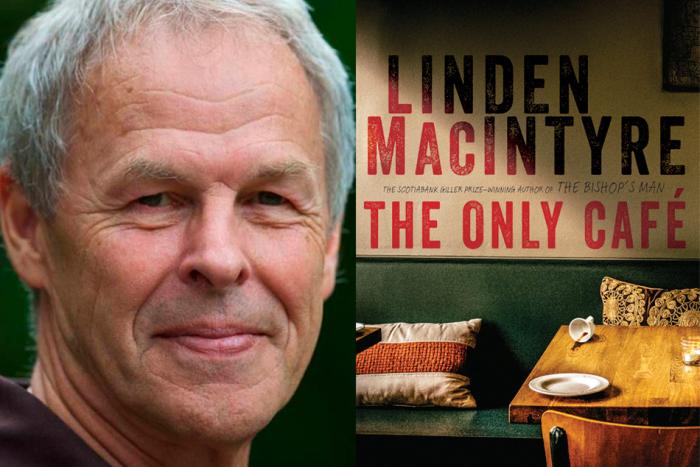
The journalist and author of The Only Café on violence, how curiosity sparks our accumulation of memory, and why nothing is ever new.