

Congratulations to all the nominees!
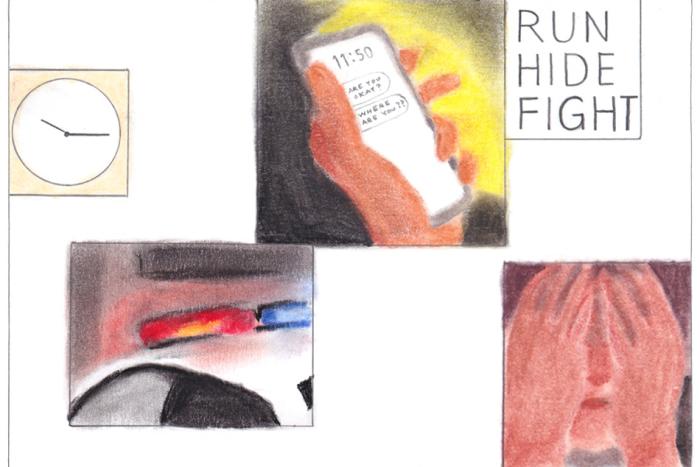
What does a campus shooting feel like?
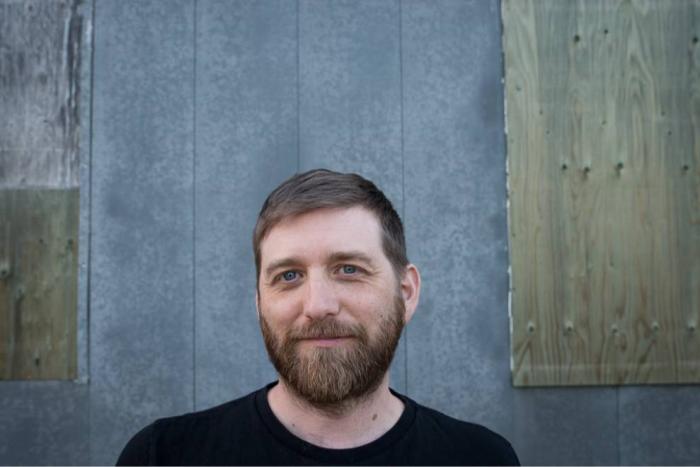
People love John Samson Fellows’s music. He doesn’t want to make it anymore.
Latest
Congratulations to all the nominees!
People love John Samson Fellows’s music. He doesn’t want to make it anymore.
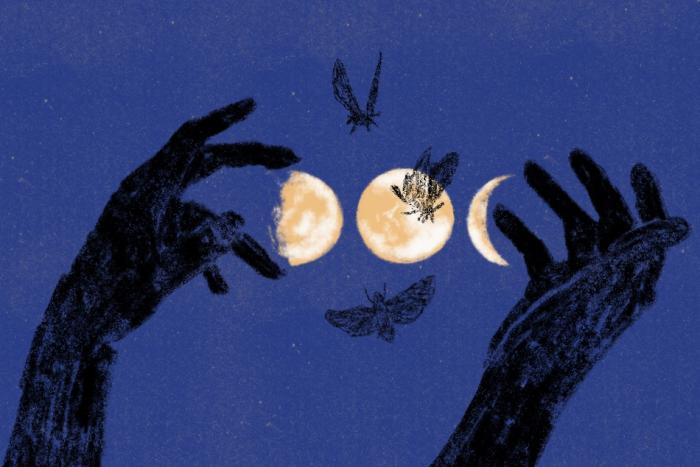
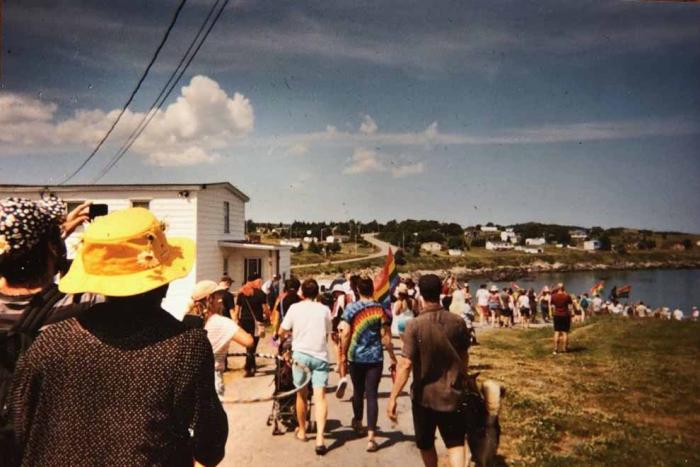
When Wanda bought the house, she didn’t imagine that anyone in the community would recognize that she and Lynn were queer.

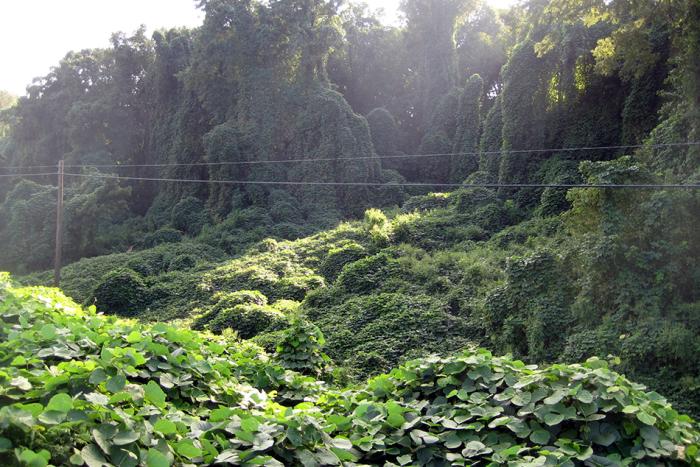
Like anything I love, I mistrust the color green down to the fingernail-edges of all the feelings it engenders in me.
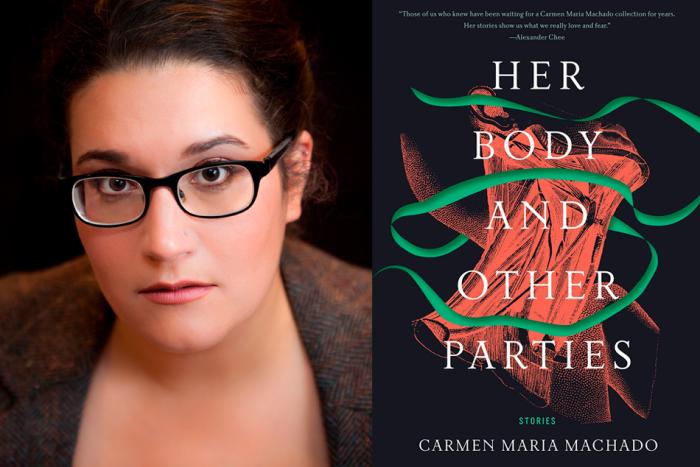
The author of Her Body and Other Parties on writing the fantastical, existing in the periphery and blueprints of the past.

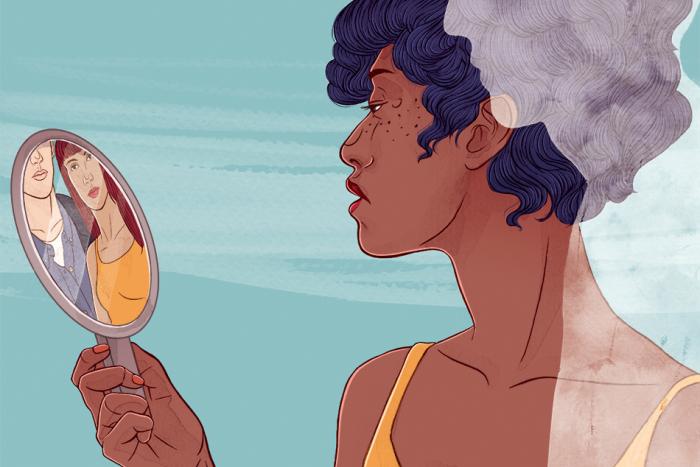
Is it possible to decolonize and police a thing as subconscious and primal as desire?
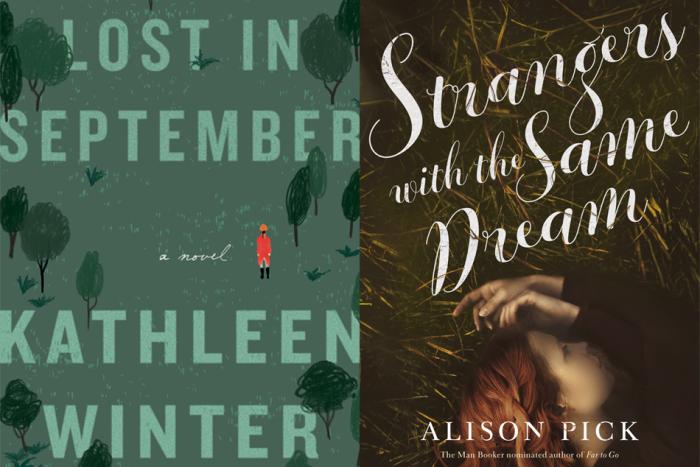
The authors of Lost in September and Strangers with the Same Dream talk about the relationship between a writer and her characters, motherhood and work, and sexism in publishing.
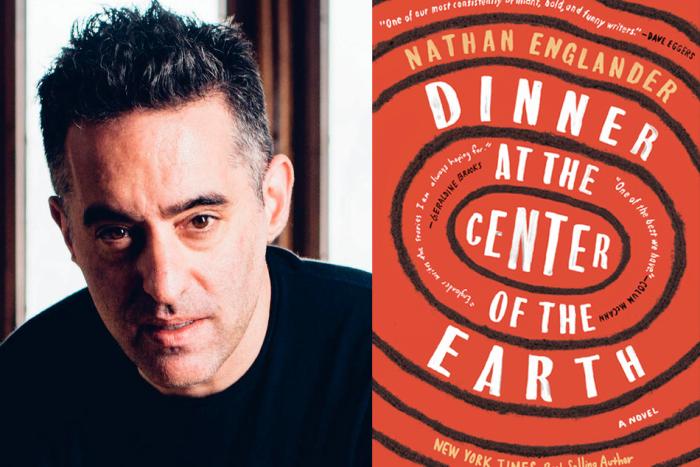
The author of Dinner at the Center of the Earth on the novelist’s responsibilities in times of political chaos, the bending and breaking of structure and genre, the shifting nature of Jewishness and identity, and his ultimate subject: right, wrong, and why we crave it.