

Congratulations to all the nominees!
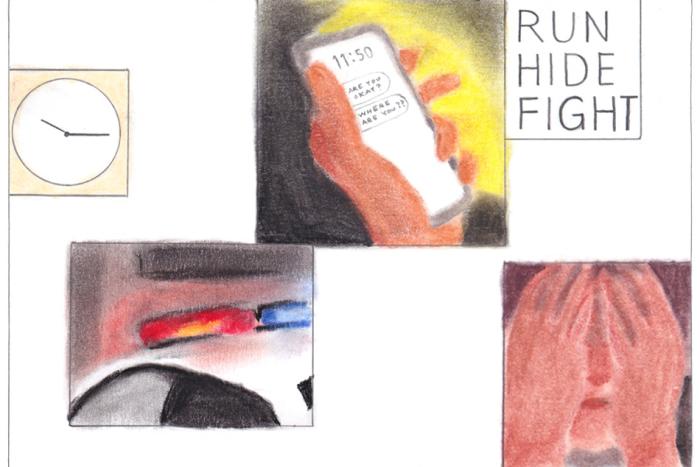
What does a campus shooting feel like?

People love John Samson Fellows’s music. He doesn’t want to make it anymore.
Latest
Congratulations to all the nominees!
People love John Samson Fellows’s music. He doesn’t want to make it anymore.

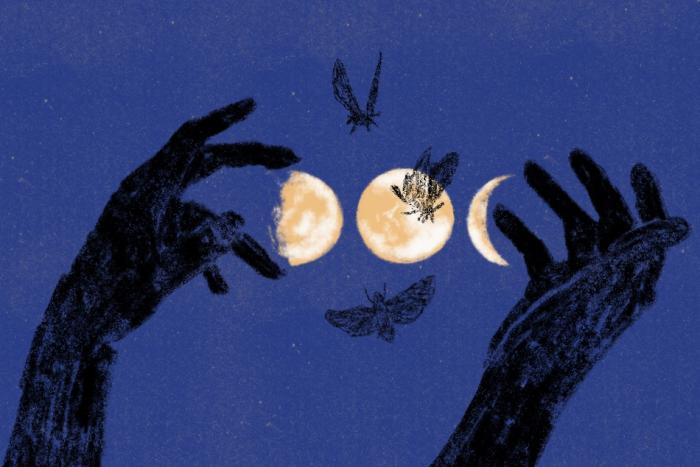

When Wanda bought the house, she didn’t imagine that anyone in the community would recognize that she and Lynn were queer.
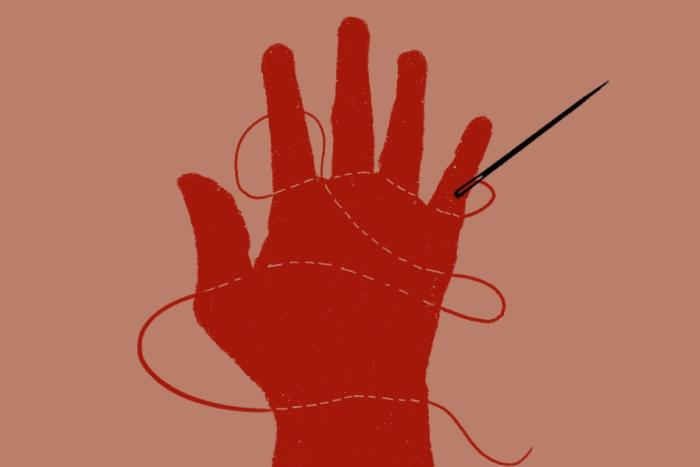


On Leonora Carrington, B. Catling, and the alternate, revealing visions of the world that can emerge when artists explore multiple disciplines.
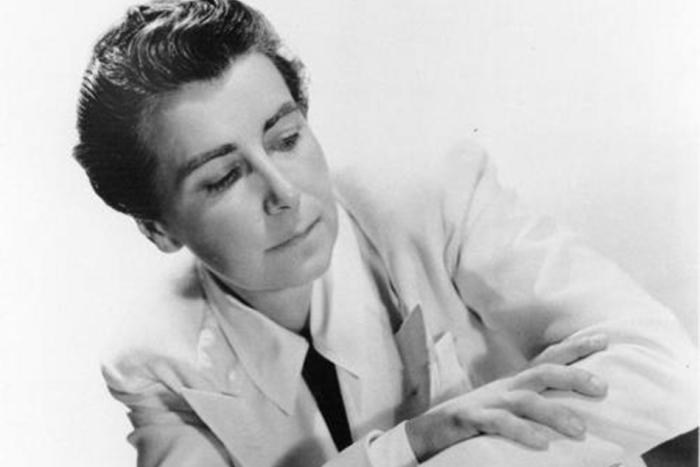
Despite filming her last feature in the '40s, Dorothy Arzner remains Hollywood's most prolific female director—what does that say about Hollywood?
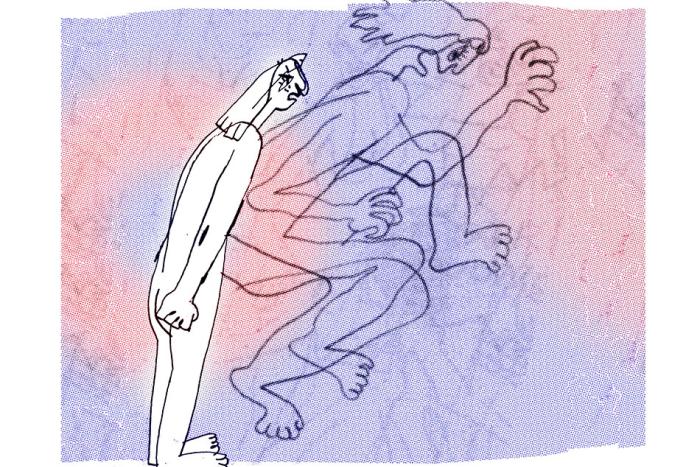
After I was run over by a car, getting mad helped me find my way back to myself.

The author of Witches, Sluts, Feminists: Conjuring the Sex Positive on intersectional feminism, modern-day witchcraft, and defining occulture.

The could-be-true story behind the rumored what-have-we-done-to-deserve-this Vin Diesel/Steve Aoki EDM collaboration.