

Congratulations to all the nominees!
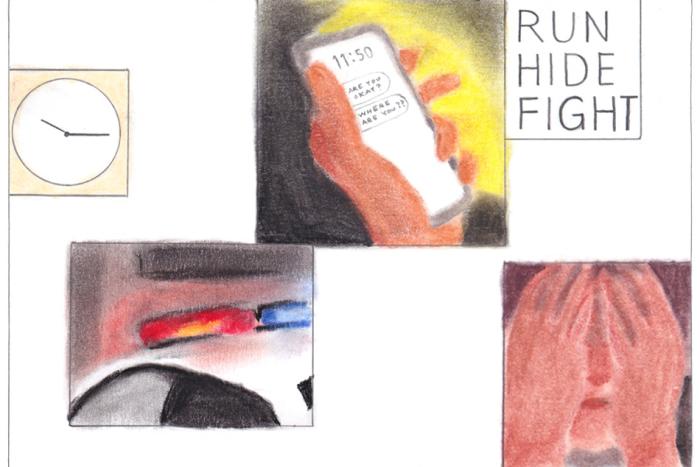
What does a campus shooting feel like?
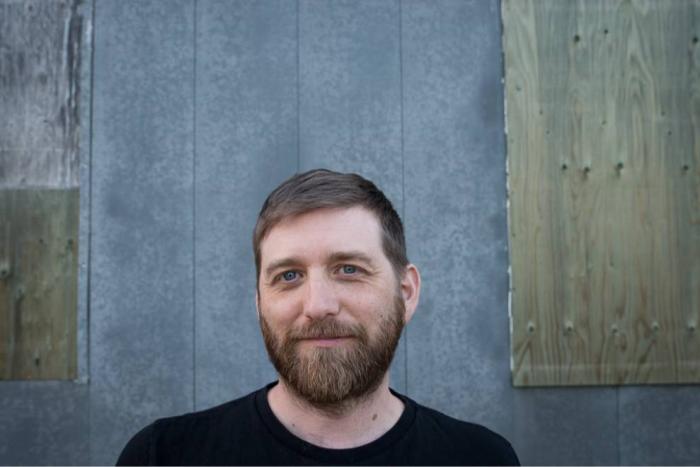
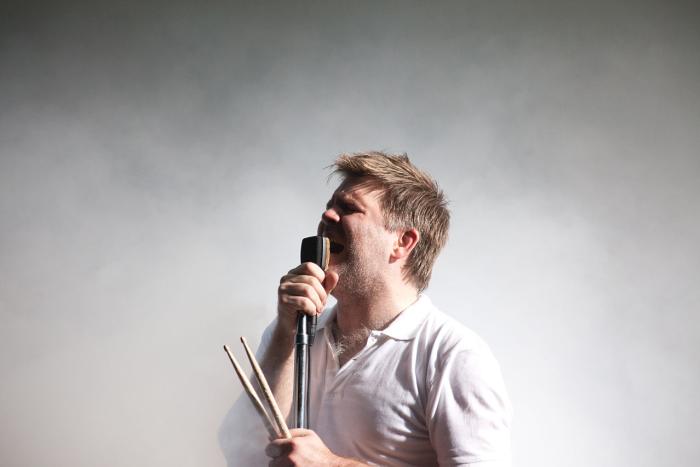
People love John Samson Fellows’s music. He doesn’t want to make it anymore.
Latest
Congratulations to all the nominees!
People love John Samson Fellows’s music. He doesn’t want to make it anymore.
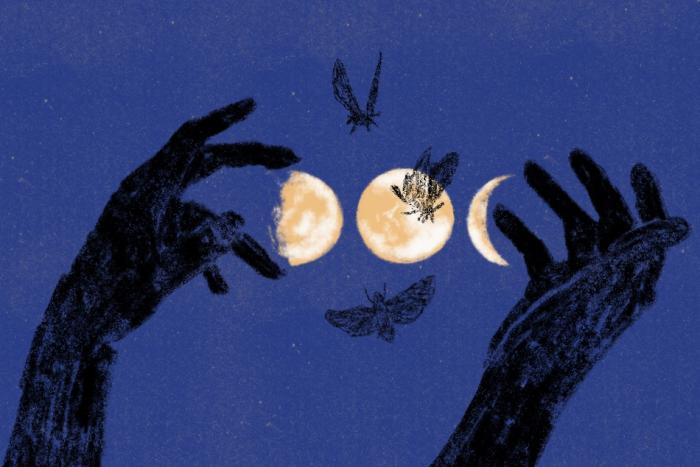
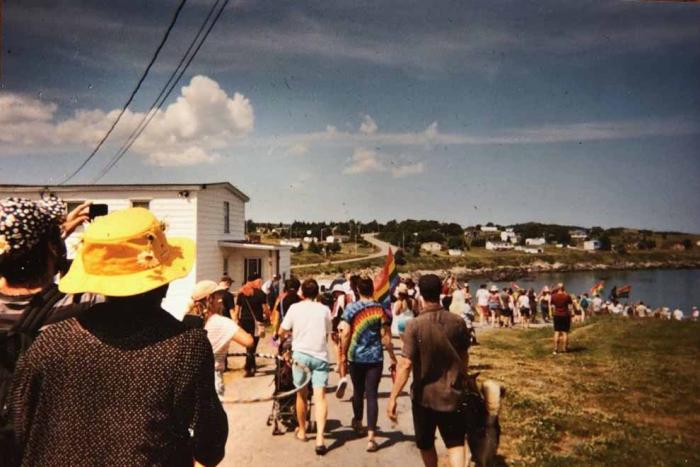
When Wanda bought the house, she didn’t imagine that anyone in the community would recognize that she and Lynn were queer.

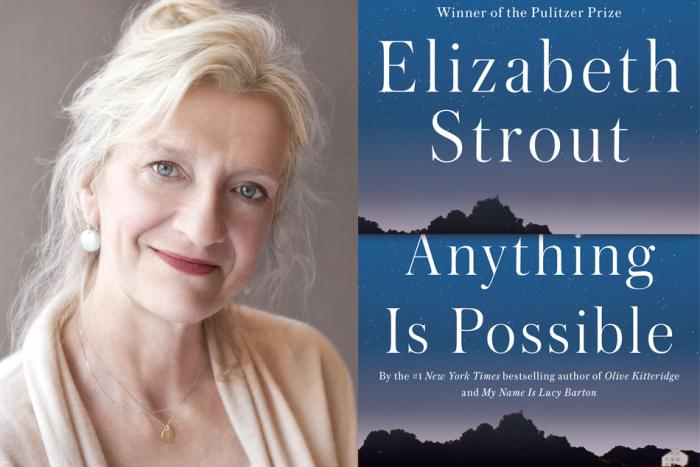
The Pulitzer Prize-winning author on her new book, Anything is Possible, being a natural observer, not judging your characters, and stand up comedy.
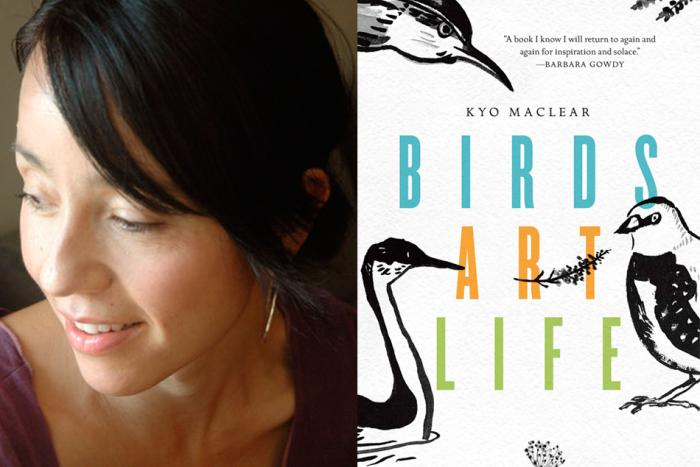
The author of Birds Art Life on spark books, the art of stillness in children's literature, and collaborating with illustrators.
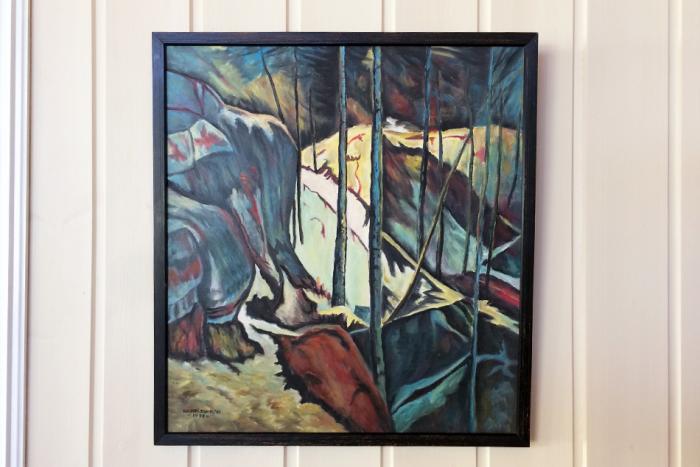
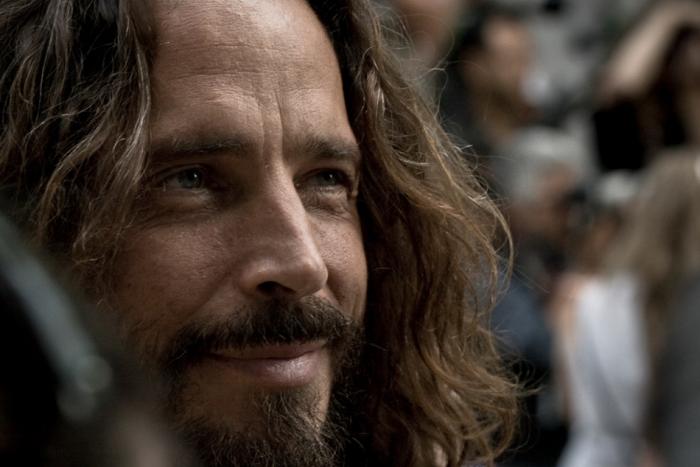
The singer walked a line between overt masculinity and brooding sensitivity—fearlessly exploring the dark, wailing with the voice of a man who could sound like he was trying to escape his own body.
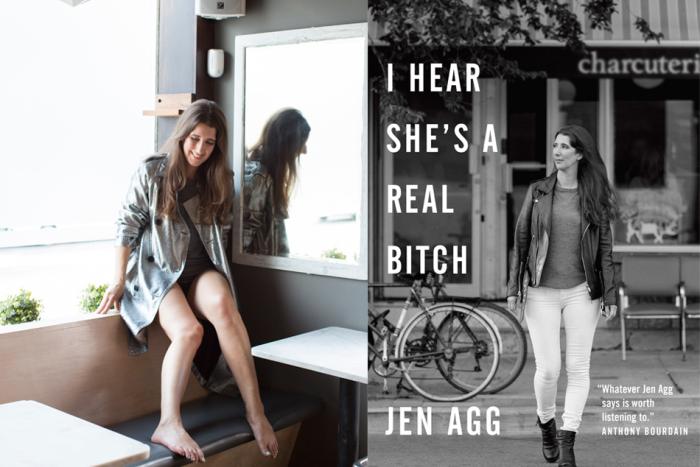
The restaurateur and author of I Hear She's a Real Bitch on reclaiming the narrative, writing as catharsis and redacted nudes.