

Congratulations to all the nominees!
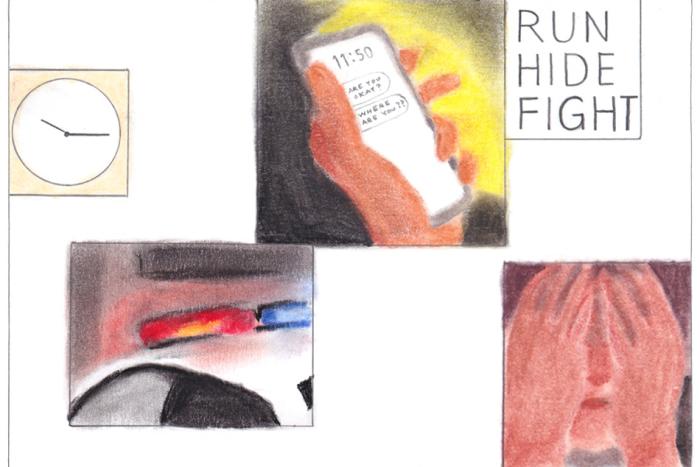
What does a campus shooting feel like?
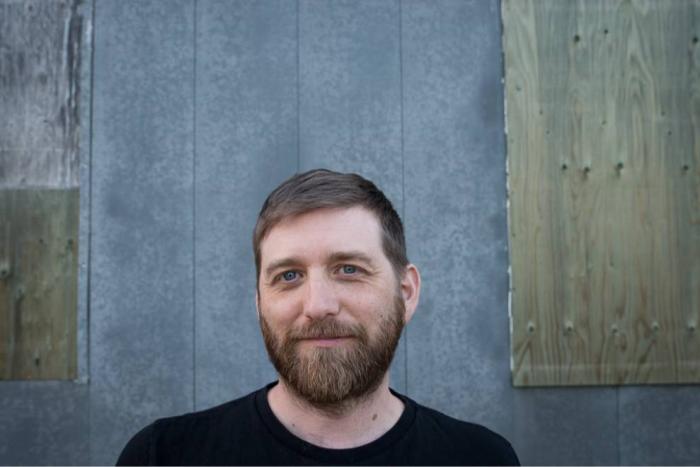
People love John Samson Fellows’s music. He doesn’t want to make it anymore.
Latest
Congratulations to all the nominees!
People love John Samson Fellows’s music. He doesn’t want to make it anymore.

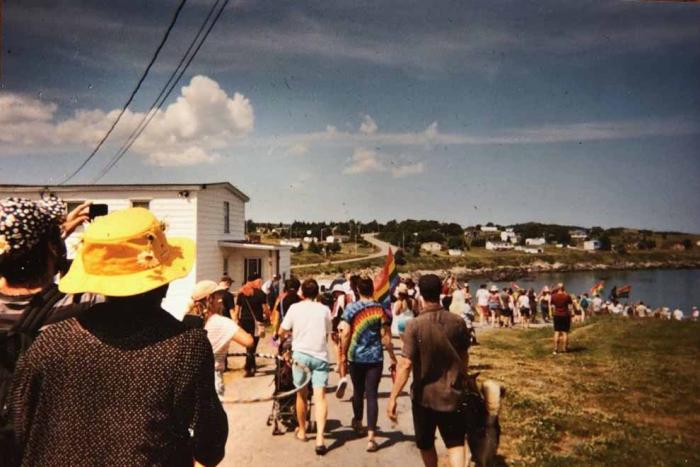
When Wanda bought the house, she didn’t imagine that anyone in the community would recognize that she and Lynn were queer.

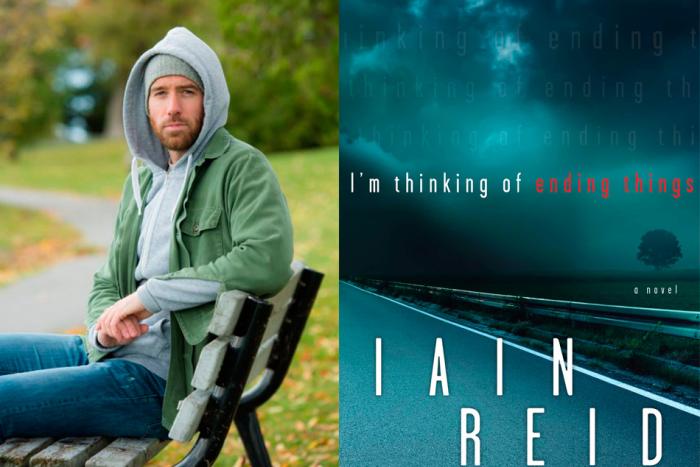
Talking with the author of I'm Thinking of Ending Things about the move from memoir to fiction, capturing the anxiety and insecurity of new relationships, and the darkness of Canadian country roads.

I hated myself when I benched 405, agonized over form while squatting 500, and regretted the first 33 years of my life even as I deadlifted 650. I had never lifted heavier or been unhappier.
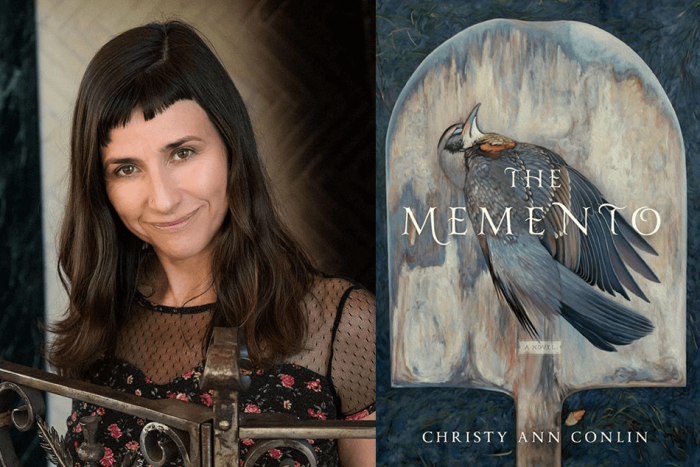
Speaking with the author of The Memento about assault narratives, ghost stories and the healing work of fiction.

Fandom allows us to locate some much-needed normalcy without ever accepting the current state of things as normal.

Whether writing about Brexit or defining the painful and ecstatic parameters of joy, Smith has a near preternatural understanding of the fictions we repeat to ourselves in order to function daily.
Throughout my twenties and thirties I made dark jokes about the life expectancy of my breasts.