

Congratulations to all the nominees!
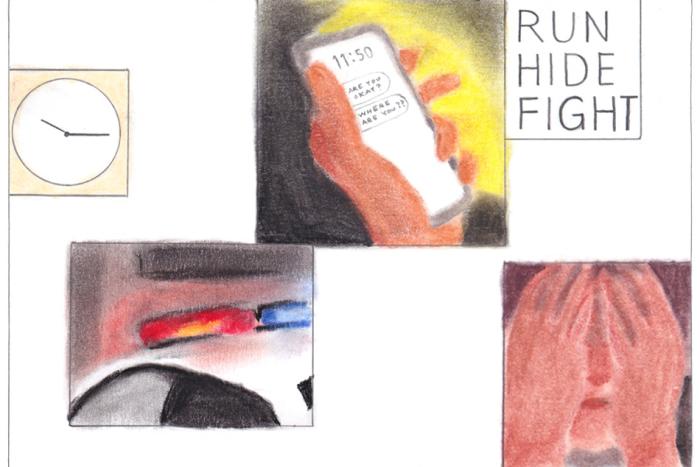
What does a campus shooting feel like?
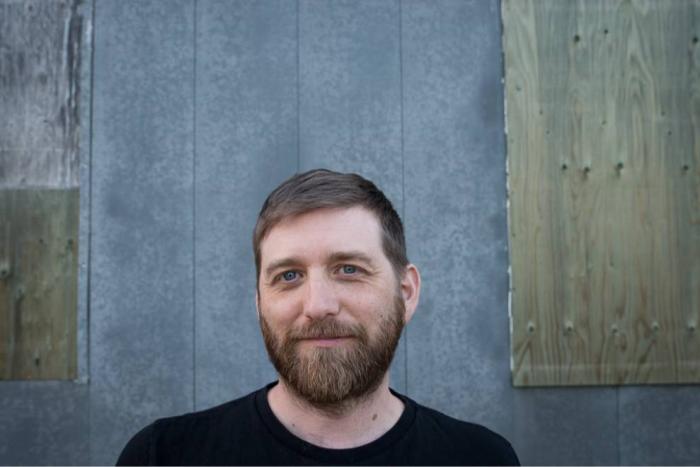
People love John Samson Fellows’s music. He doesn’t want to make it anymore.
Latest
Congratulations to all the nominees!
People love John Samson Fellows’s music. He doesn’t want to make it anymore.

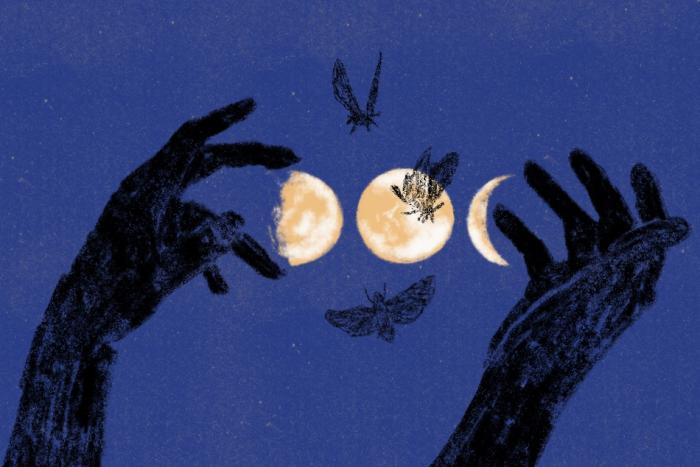
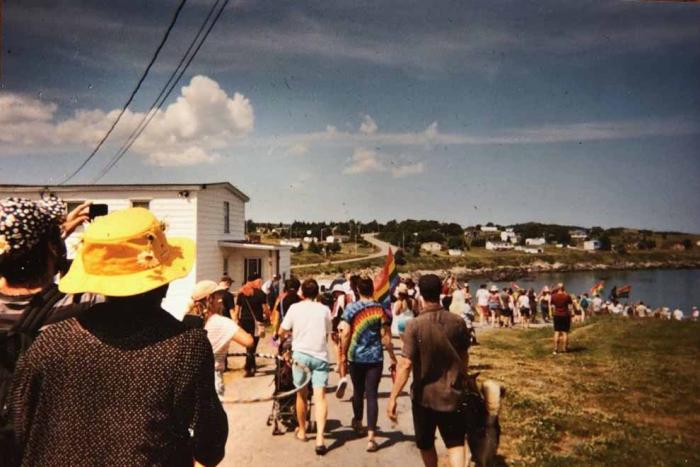
When Wanda bought the house, she didn’t imagine that anyone in the community would recognize that she and Lynn were queer.

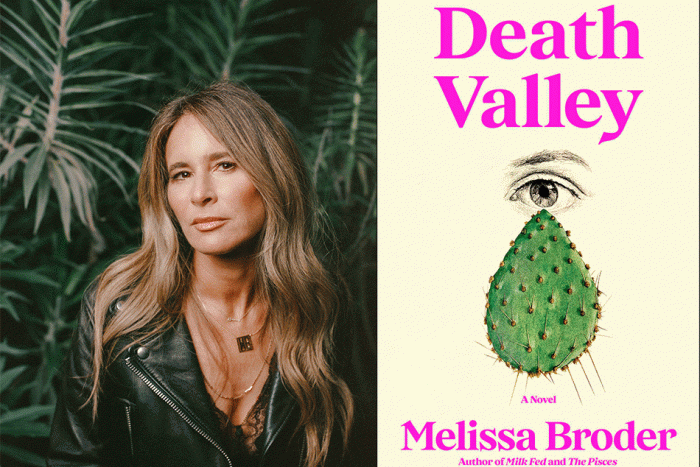
The author of Death Valley on writerly solitude, the demise of Twitter, and Best Western Grab 'n' Go breakfasts.
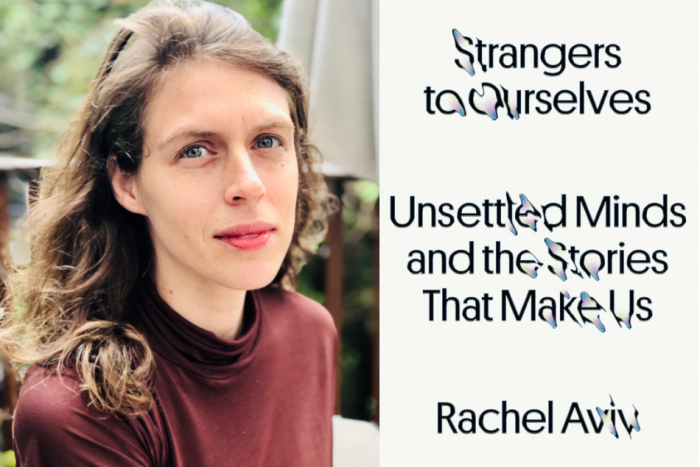
The author of Strangers to Ourselves on finding new ways to understand mental illness.
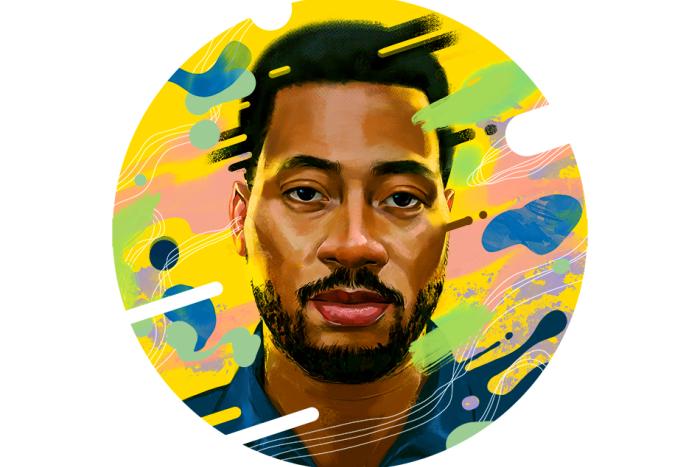
Please Unsubscribe, Thanks! encourages us to press eject.
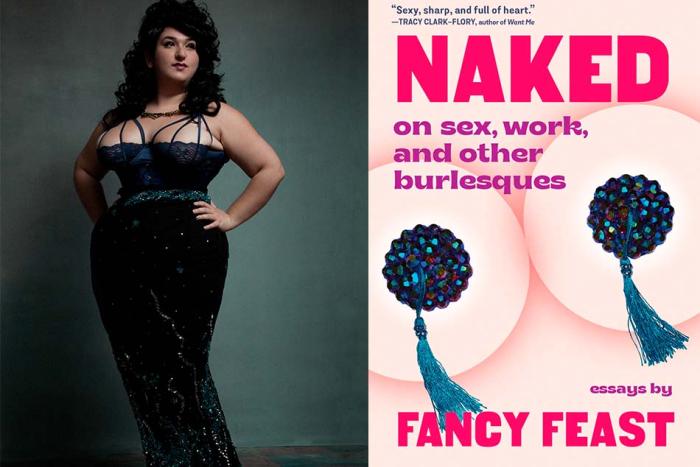
The author of Naked: On Sex, Work, and Other Burlesques on the hot potato of performance art, the nutritiousness of filth, and exorcisms.
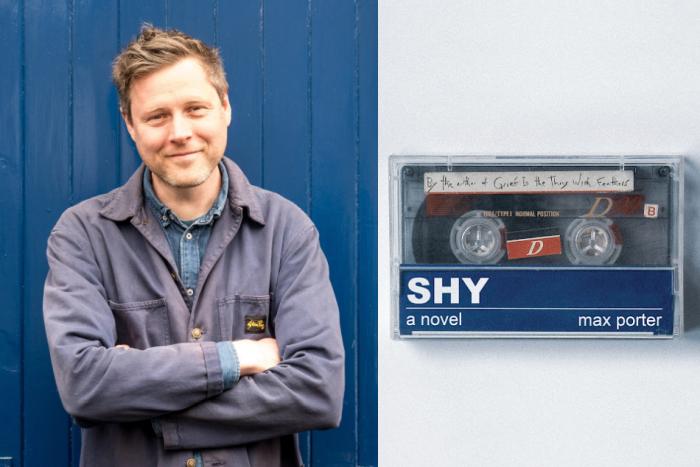
The author of Shy on inherited ideas of care, suicidal ideation, and the erotics of bullying.