

Congratulations to all the nominees!
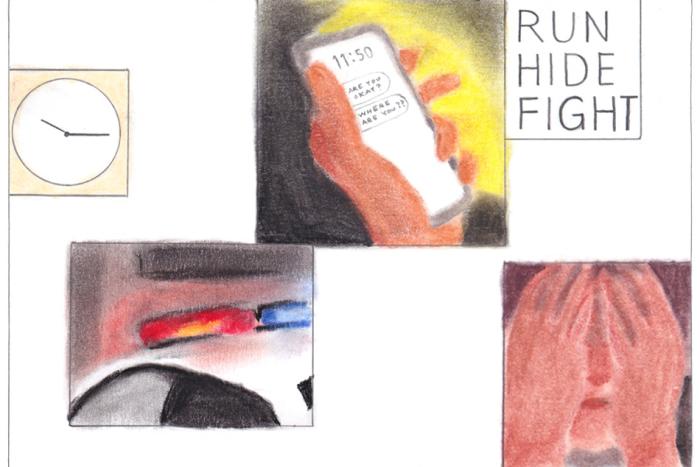
What does a campus shooting feel like?
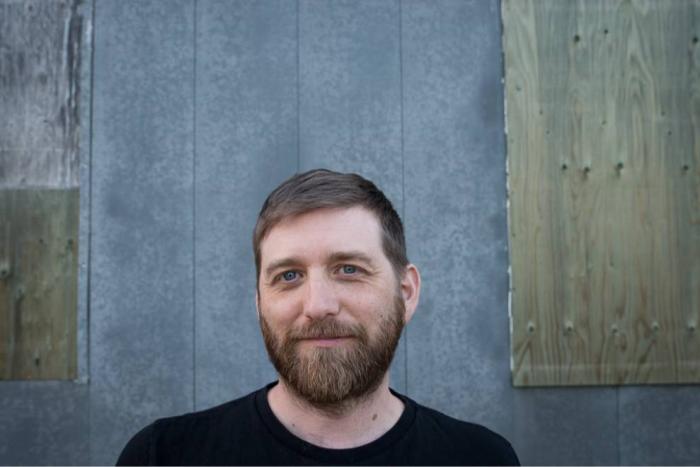
People love John Samson Fellows’s music. He doesn’t want to make it anymore.
Latest
Congratulations to all the nominees!
People love John Samson Fellows’s music. He doesn’t want to make it anymore.

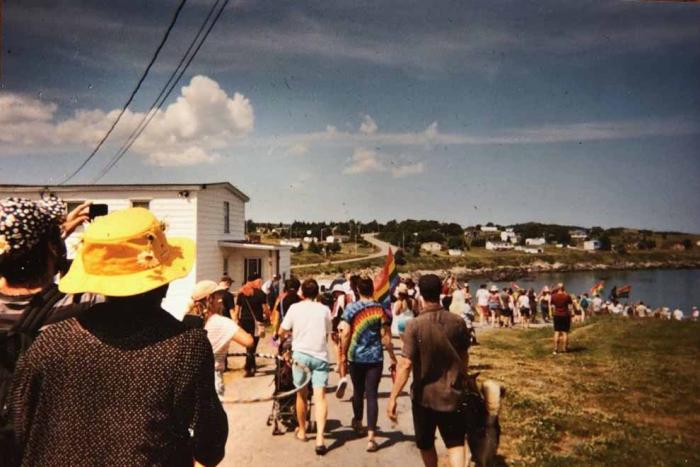
When Wanda bought the house, she didn’t imagine that anyone in the community would recognize that she and Lynn were queer.


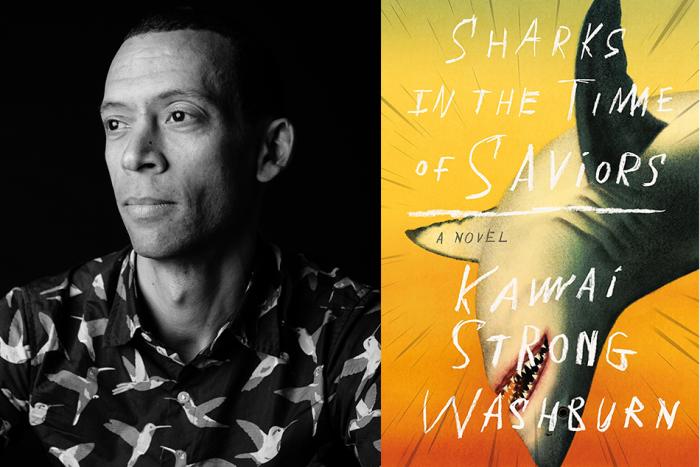
The author of Sharks in the Time of Saviors on mythmaking, magical realism, and the hero complex.
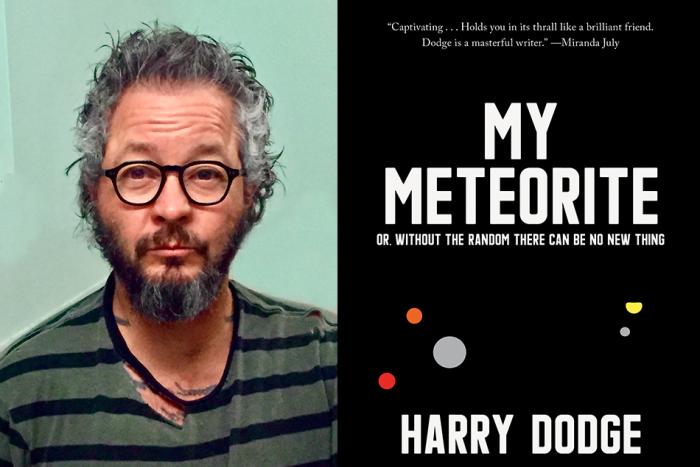
The author of My Meteorite on interconnectedness, chaos, and a sense of magic.

The author of Hidden Valley Road on true crime reporting, family secrets, and finding stories.
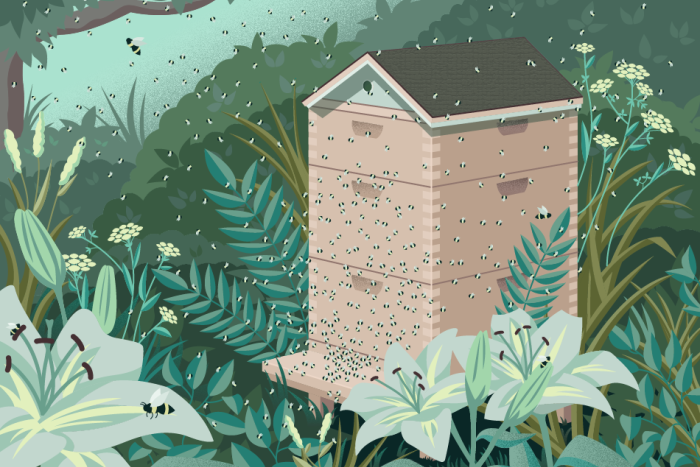
I followed a desire to witness, but not control, the inner workings of living things.

This was a real friend. Like old times—better times. When your chip bags spilled over and your idols reeked and all your friends tried to kill you.