

Congratulations to all the nominees!
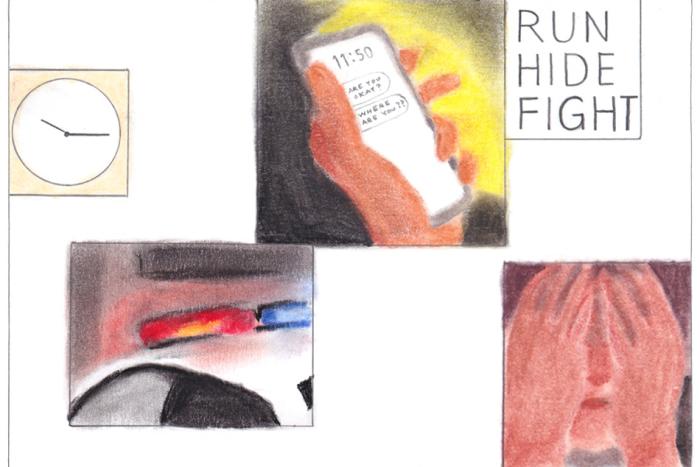
What does a campus shooting feel like?
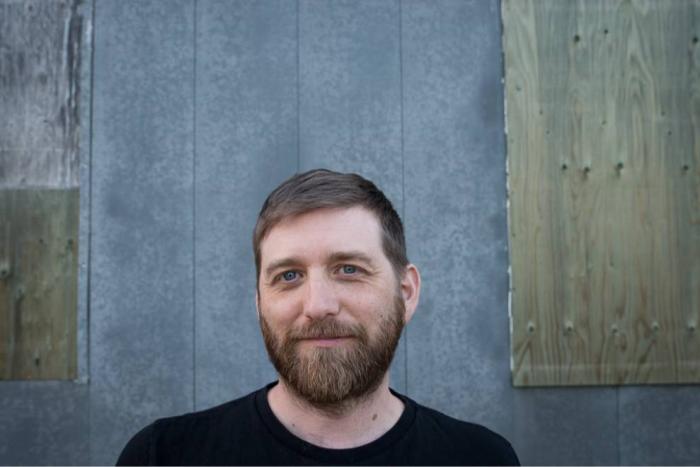
People love John Samson Fellows’s music. He doesn’t want to make it anymore.
Latest
Congratulations to all the nominees!
People love John Samson Fellows’s music. He doesn’t want to make it anymore.
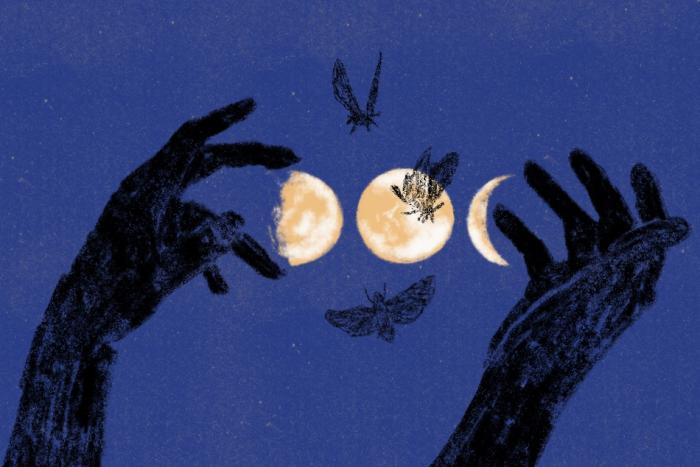
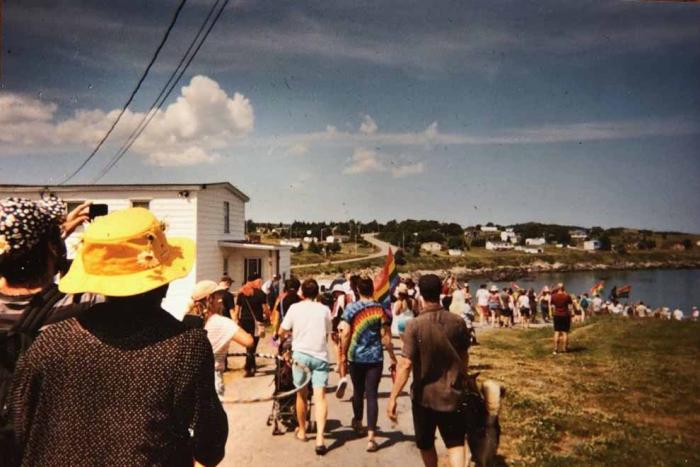
When Wanda bought the house, she didn’t imagine that anyone in the community would recognize that she and Lynn were queer.

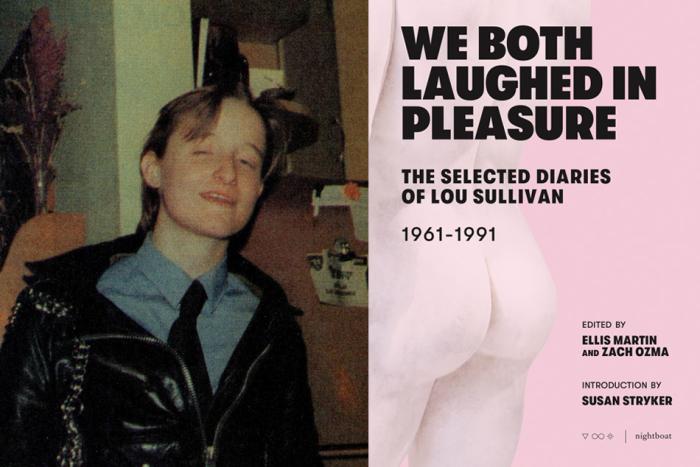
Talking to the editors of We Both Laughed in Pleasure: The Selected Diaries of Lou Sullivan about trans representation, the process of editing private writing, and why history is gay.
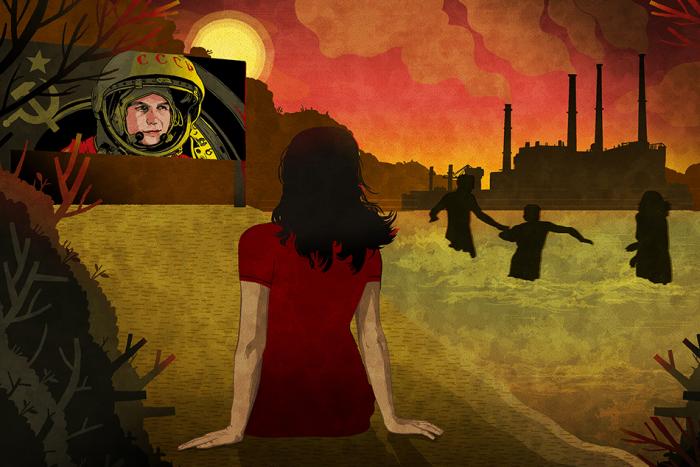
In the middle of the night, the train makes one of many stops in a small town whose name appears written in a dream alphabet.
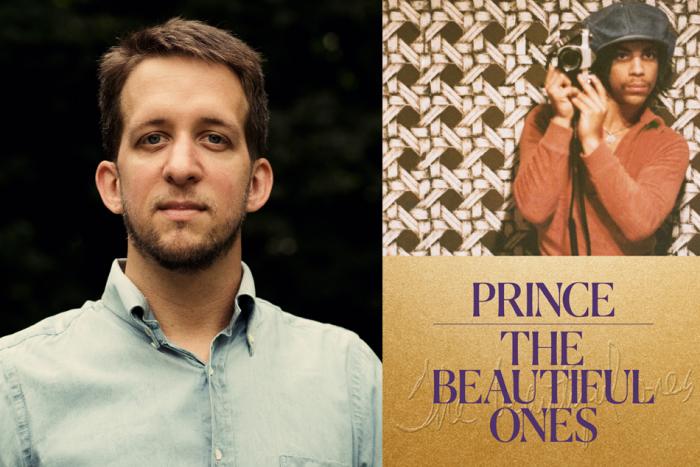
The co-author of The Beautiful Ones on writing after Prince's death, searching through his archives, and meeting your heroes.
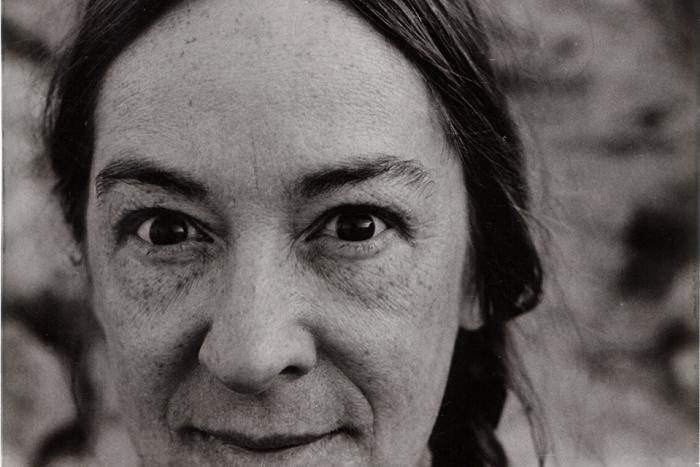
The world left their art behind, until a young man found a series of photographs blowing along a street in Spain.

The author of Permanent Record on families of origin, emotional expense, and bodega cats.
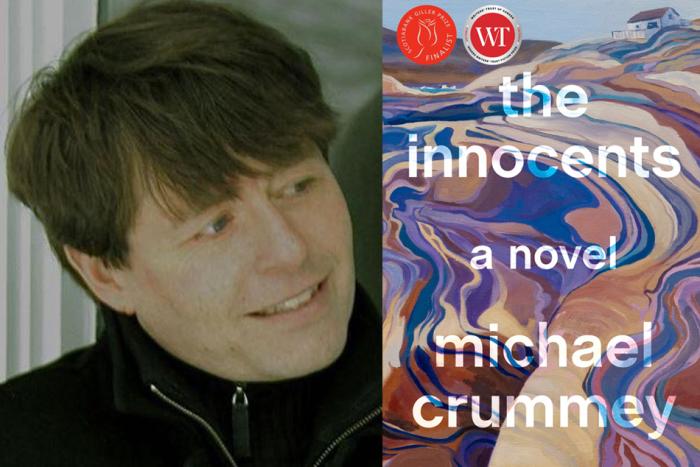
The author of The Innocents on growing up, survival, and giving your characters dignity.