

Congratulations to all the nominees!
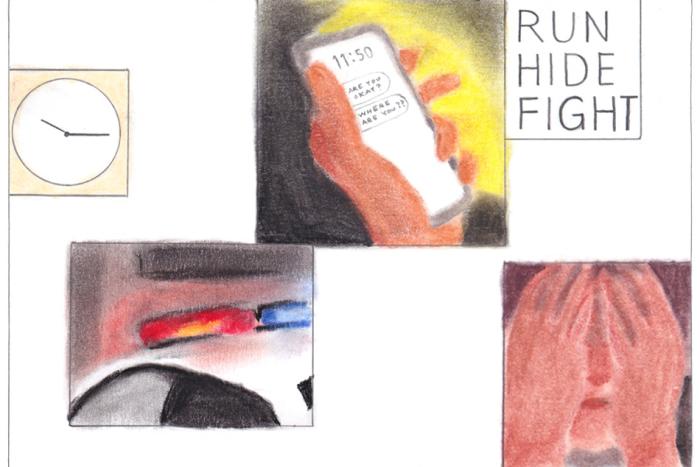
What does a campus shooting feel like?

People love John Samson Fellows’s music. He doesn’t want to make it anymore.
Latest
Congratulations to all the nominees!
People love John Samson Fellows’s music. He doesn’t want to make it anymore.

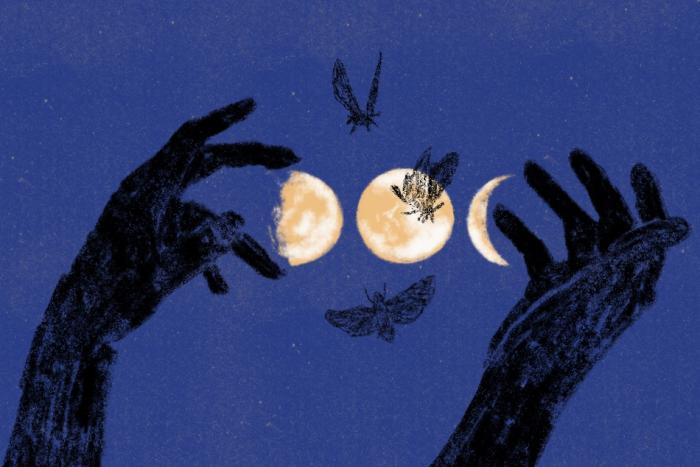
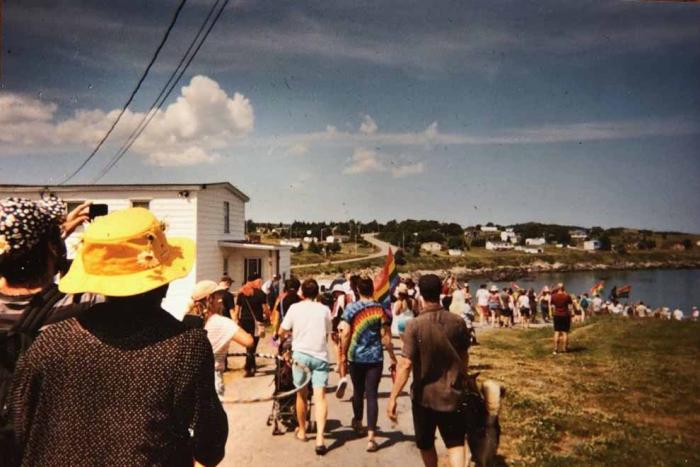
When Wanda bought the house, she didn’t imagine that anyone in the community would recognize that she and Lynn were queer.
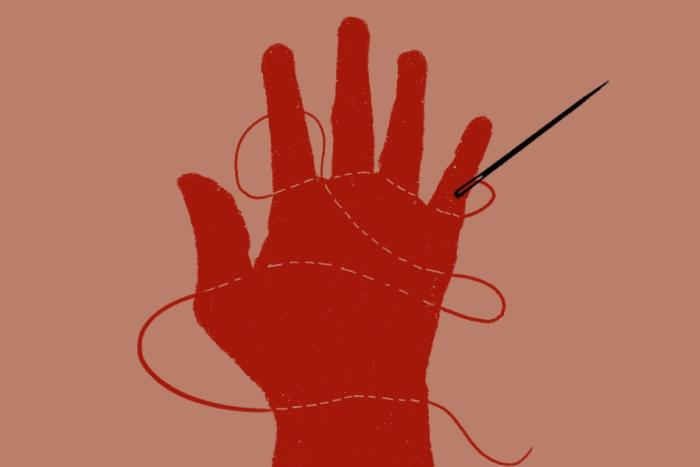


In Jean Rhys's novels, women exhibit a particular kind of English suffering, a perfect illustration of the female condition in the interwar years.
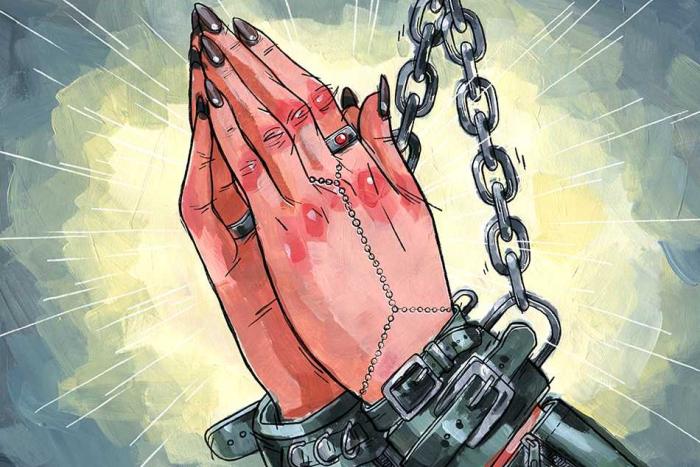
How queer BDSM and sex work helped me to refuse an inheritance of indoctrination.

The author of Three Women on desire, community, and the male gaze.
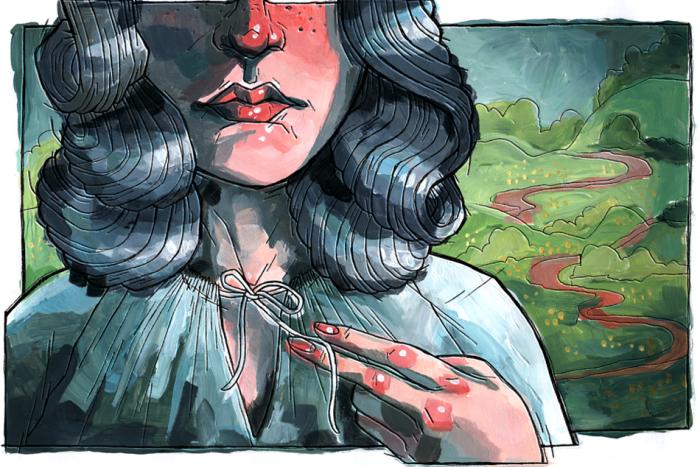
Every sixteen minutes the couple in the film gets married. Every sixteen minutes they kiss like they wish they could take it back.

It’s not that I divide my life into the periods before and after I went, exactly. It’s more that the trip accelerated a gradual change that has been happening all my life.
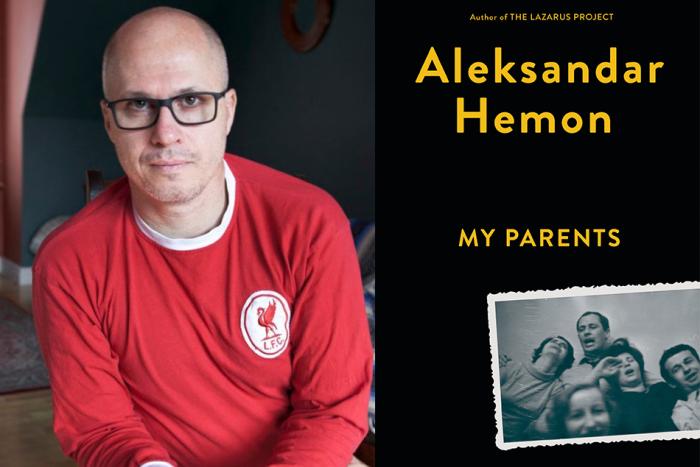
The author of My Parents/This Does Not Belong To You on the collaborative nature of non-fiction, evolving family dynamics, and surviving the catastrophic plot twist.