

Congratulations to all the nominees!
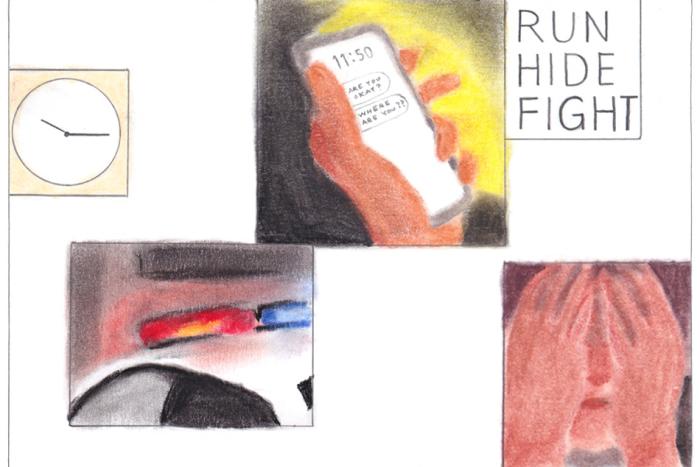
What does a campus shooting feel like?
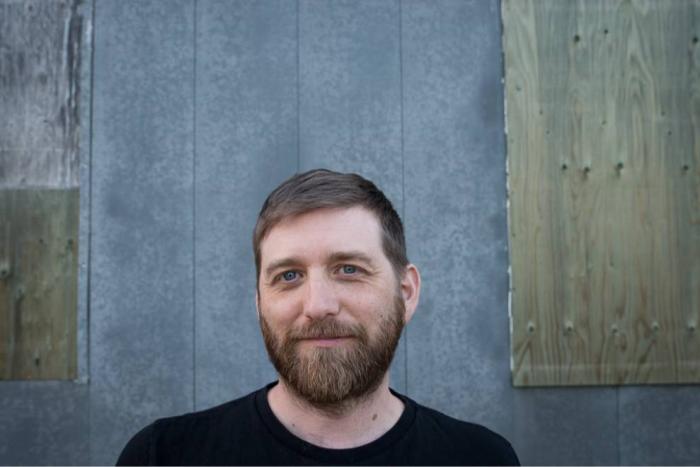
People love John Samson Fellows’s music. He doesn’t want to make it anymore.
Latest
Congratulations to all the nominees!
People love John Samson Fellows’s music. He doesn’t want to make it anymore.

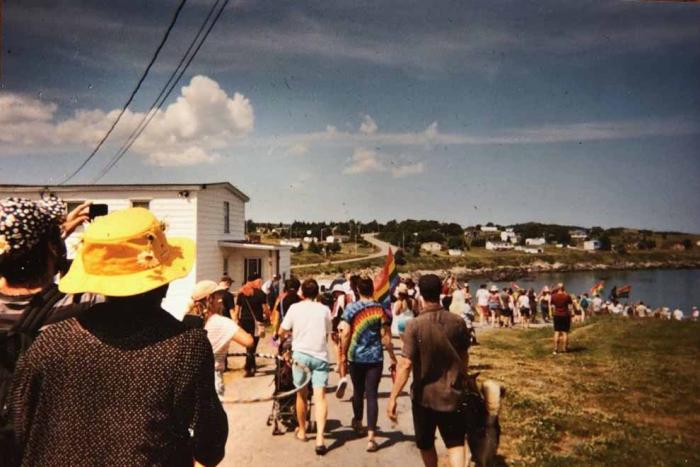
When Wanda bought the house, she didn’t imagine that anyone in the community would recognize that she and Lynn were queer.

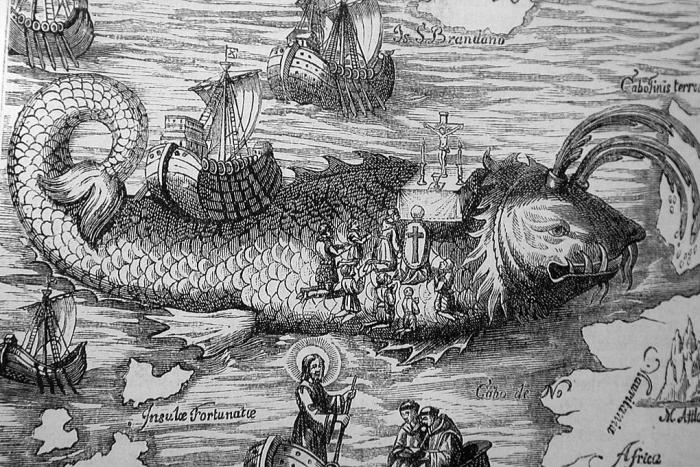
Phantom islands—mapped but nonexistent land masses—can persist for centuries. But their removal from the record conjures a sense of loss for something that was never there.
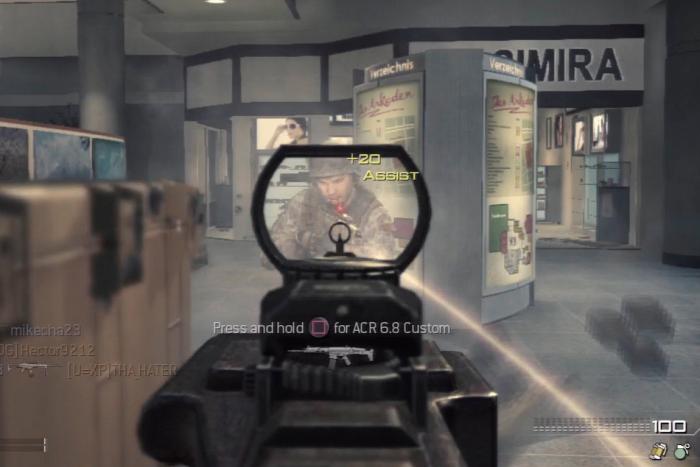
America’s mass shooting epoch is new, but the specific arguments about the role of video games in generating real violence are an escalation of old, cyclical debates.
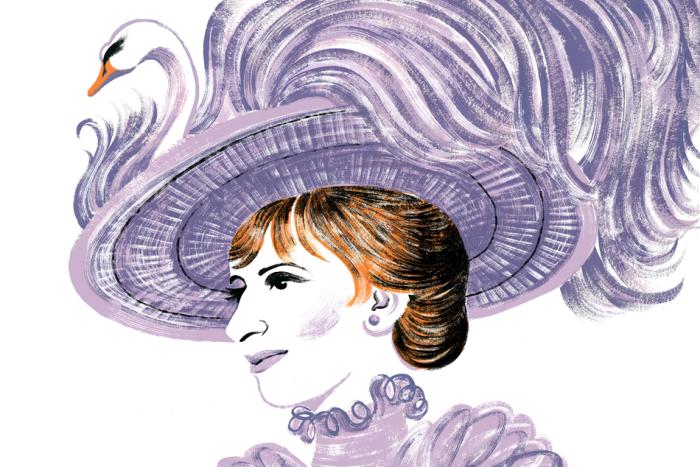
In her fifty years on screen, her palpable desperation to be liked has moved audiences or grated on them. But she projects something constant and knowable—the marker of a true star.
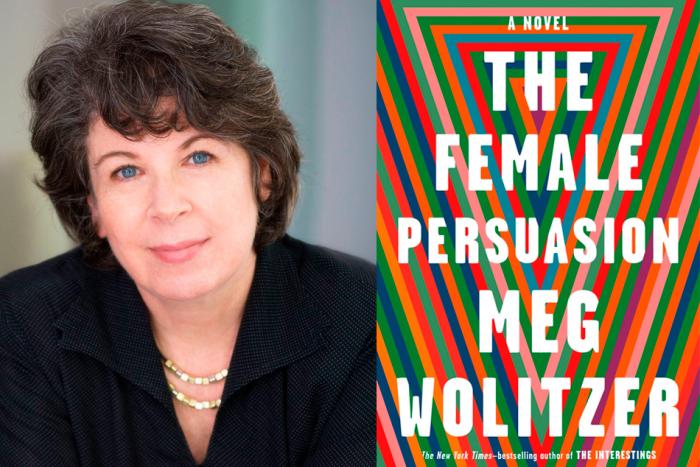
The author of The Female Persuasion on mentorship, the 24-hour news cycle, and ideas of forward motion.
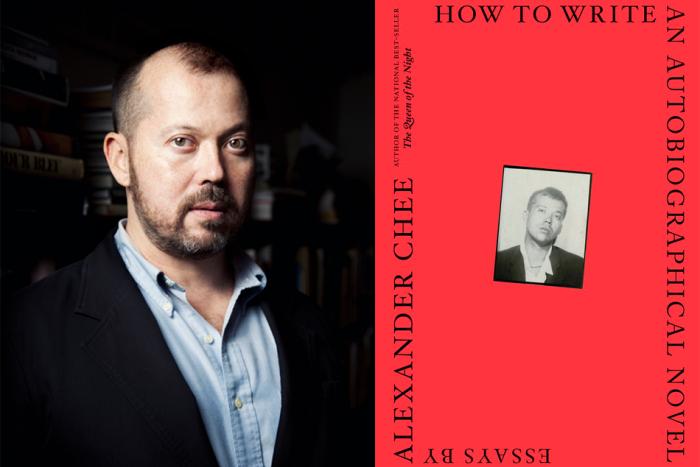
The author of How to Write an Autobiographical Novel on reading Tarot cards, working with traumatic material and why writers timeshare their bodies.

It is Monday, and Gary Wilensky is getting himself a gun.