

Congratulations to all the nominees!
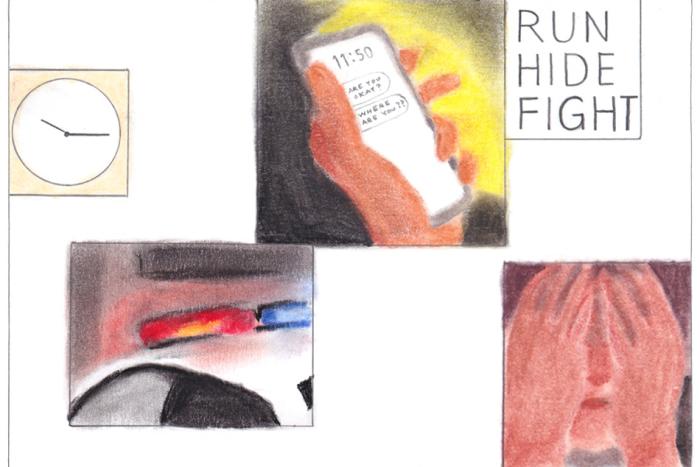
What does a campus shooting feel like?
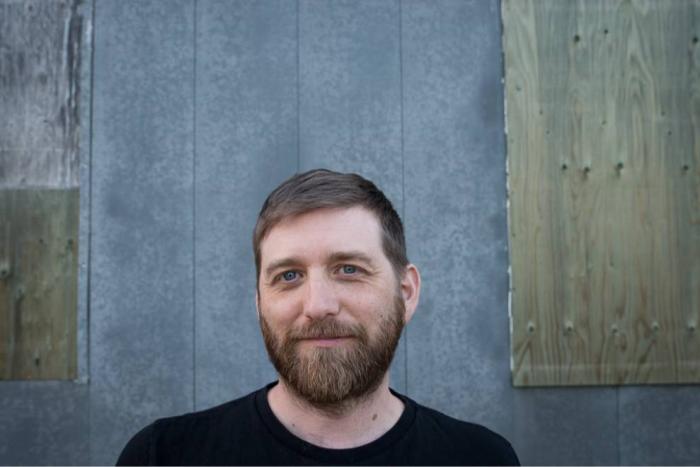
People love John Samson Fellows’s music. He doesn’t want to make it anymore.
Latest
Congratulations to all the nominees!
People love John Samson Fellows’s music. He doesn’t want to make it anymore.

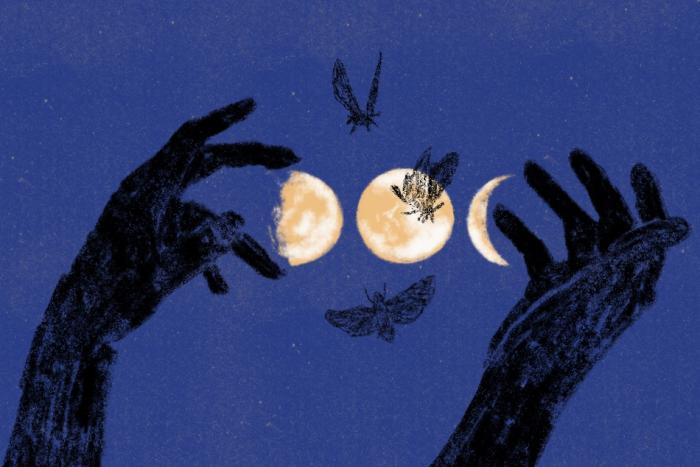
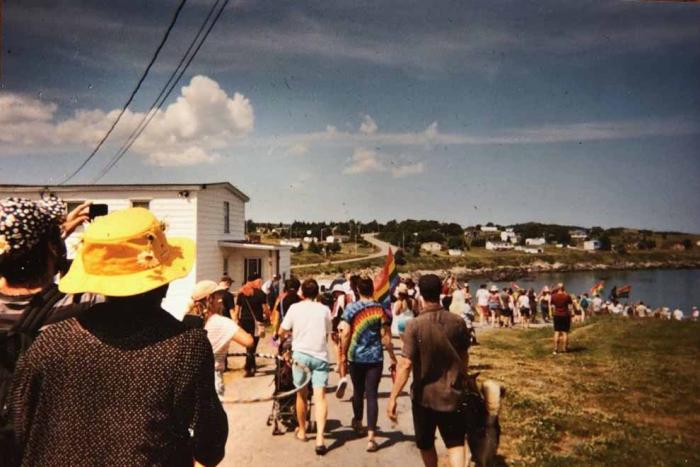
When Wanda bought the house, she didn’t imagine that anyone in the community would recognize that she and Lynn were queer.

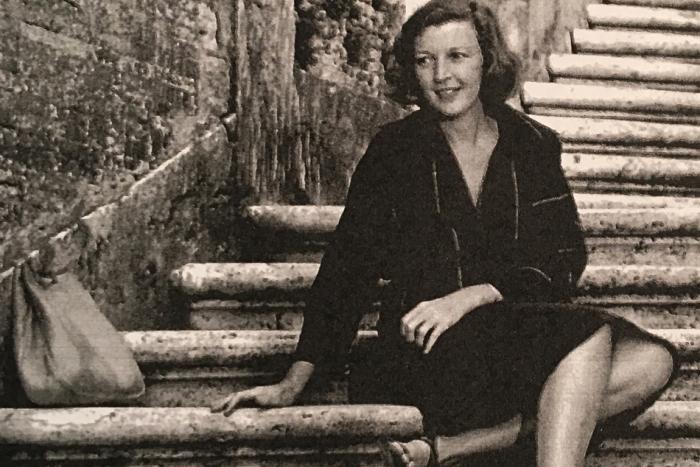
For decades, the two maintained a warm correspondence that traces a remarkable friendship between two of the twentieth century's most formidable women.
David Byrne's first solo album post-Talking Heads helped me come to terms with the languages I lost growing up as a mixed-race kid.
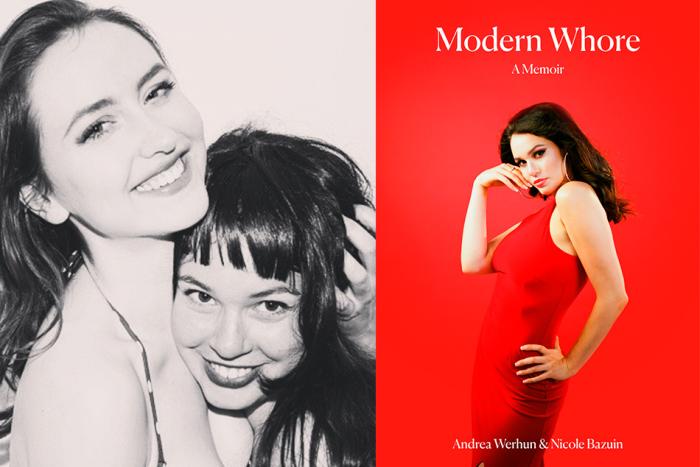
The author and photographer behind Modern Whore on persona, myth, and “transforming a universal victim into her rightful position as hero.”
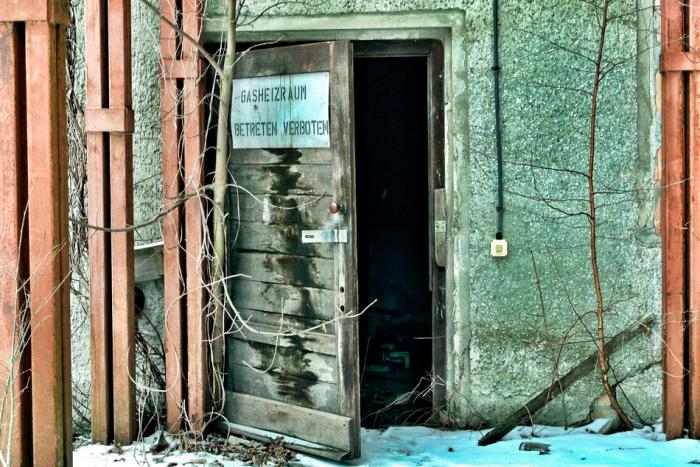
Berlin sparked my curiosity about secret spaces, rooms accessible only through hidden doors. But even magic theaters for madmen are more interesting when someone is with you.
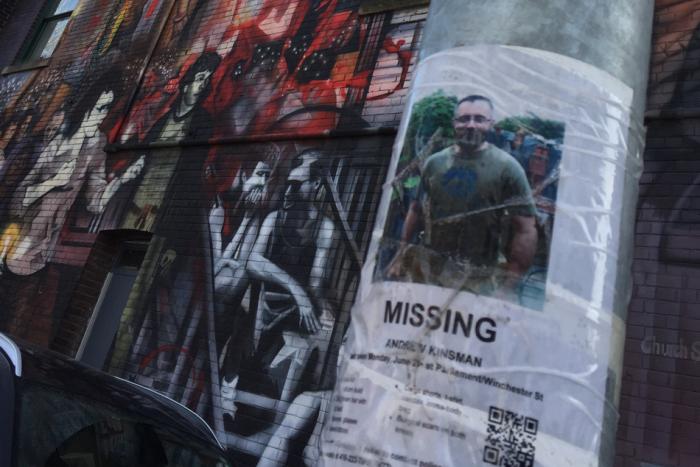
For years, police now suspect, a serial killer has been targeting queer men in Toronto. For far longer, the city's queer communities have been insisting authorities take their safety seriously.
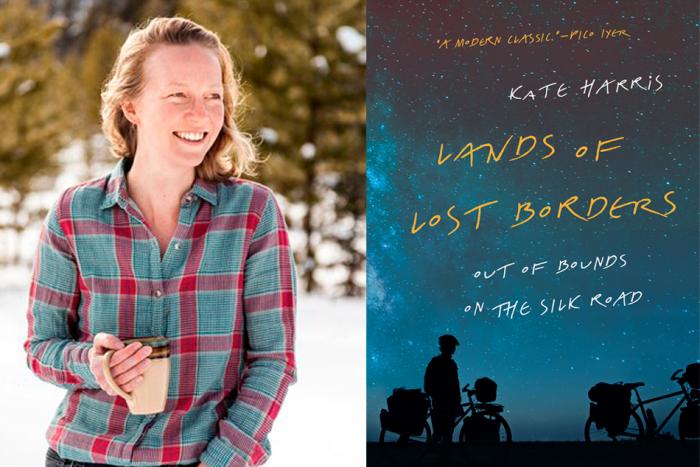
The author of Lands of Lost Borders speaks with her editor about travel, Virginia Woolf, and deciding not to go to Mars.