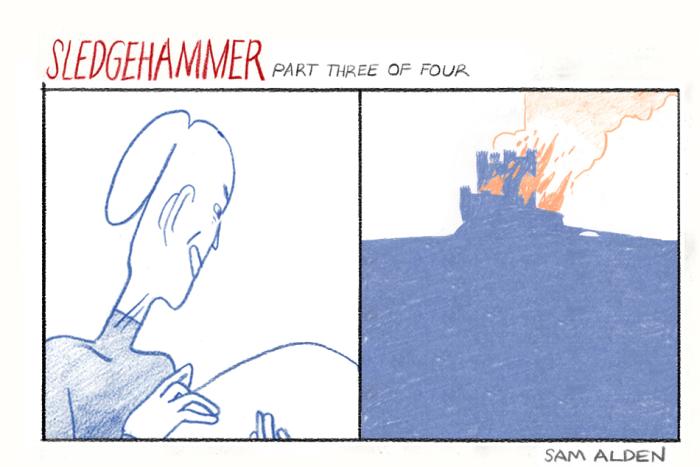
Congratulations to all the nominees!
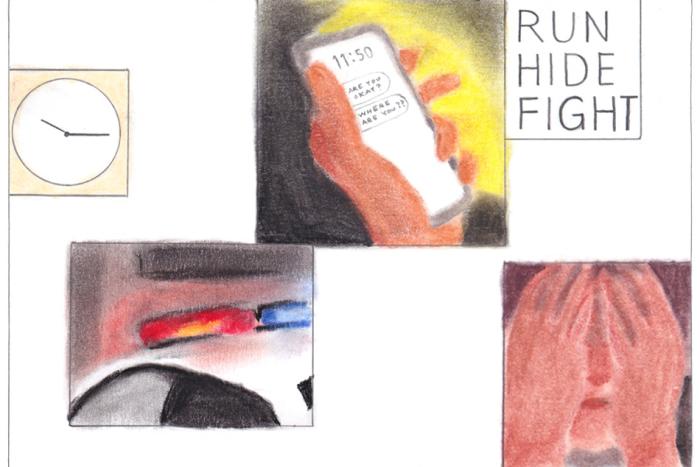
What does a campus shooting feel like?
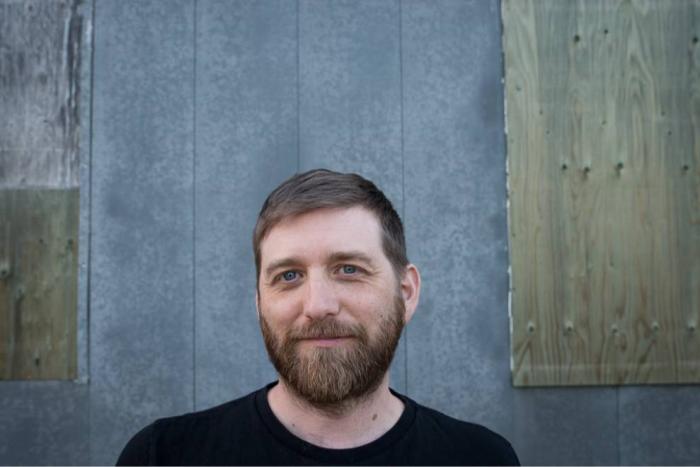
People love John Samson Fellows’s music. He doesn’t want to make it anymore.
Latest
Congratulations to all the nominees!
People love John Samson Fellows’s music. He doesn’t want to make it anymore.

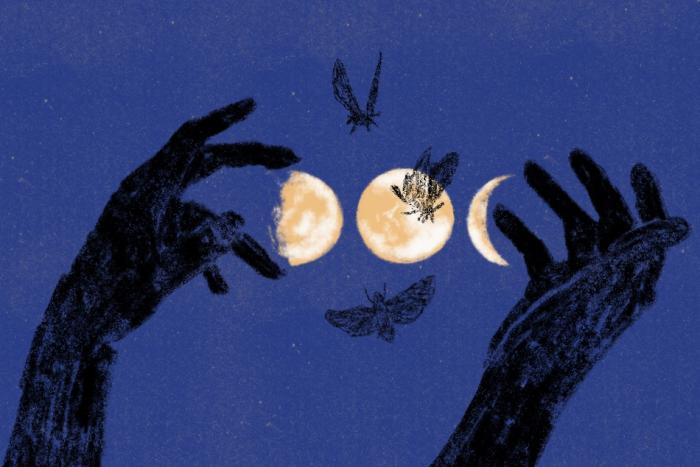
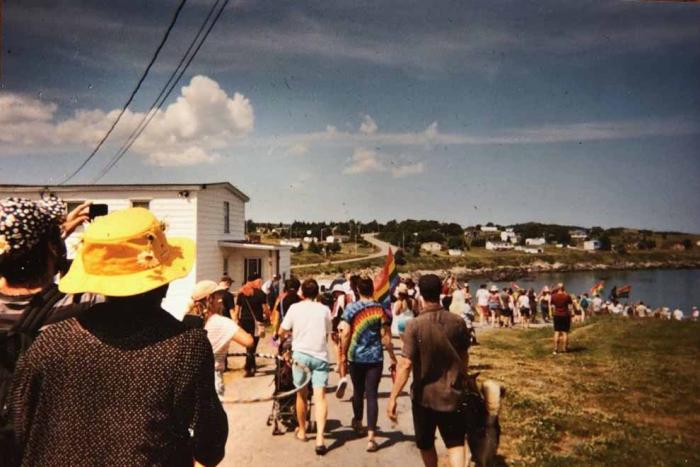
When Wanda bought the house, she didn’t imagine that anyone in the community would recognize that she and Lynn were queer.
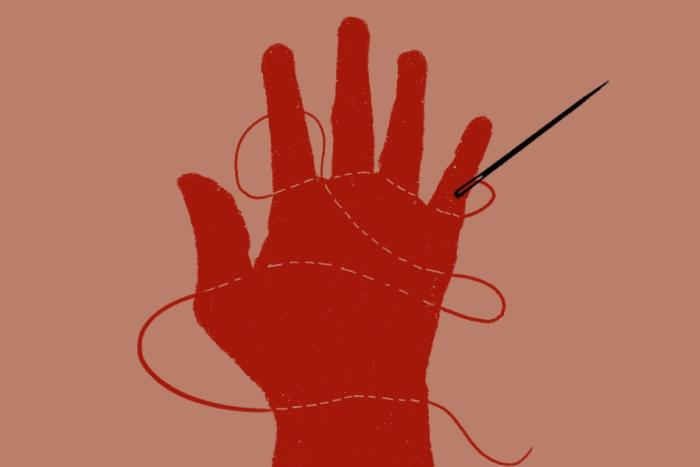


A collection of baby names is like a taxonomy of hope, a kind of catechism for future lives scattered over the horizon.

The author of News from the Red Desert on the desire for action, the futility of violence and capturing the truth of conflict through fiction.
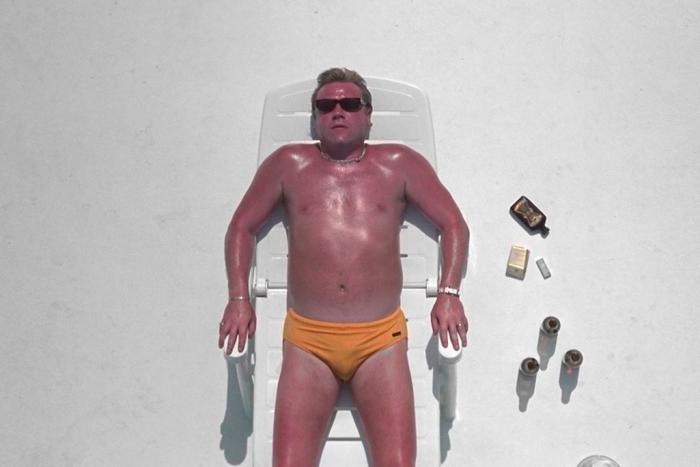
Jonathan Glazer's lush, romantic take on the gangster movie, Sexy Beast, uses the simplest of moments to build its sense of dread: a warm day, a clear pool, a frosty beer.

I thought baseball would become political in 2017, but it only absorbed the frazzled, babbling-lunatic tenor of the country at large—which gives me hope for the game’s future.

The author of the National Book Award-winning Sing, Unburied, Sing on the pressure of accolades, discovering new stories and processing pain.