

Congratulations to all the nominees!
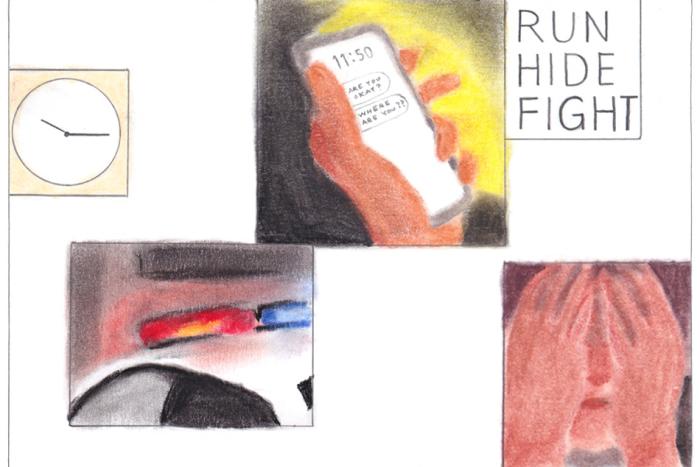
What does a campus shooting feel like?
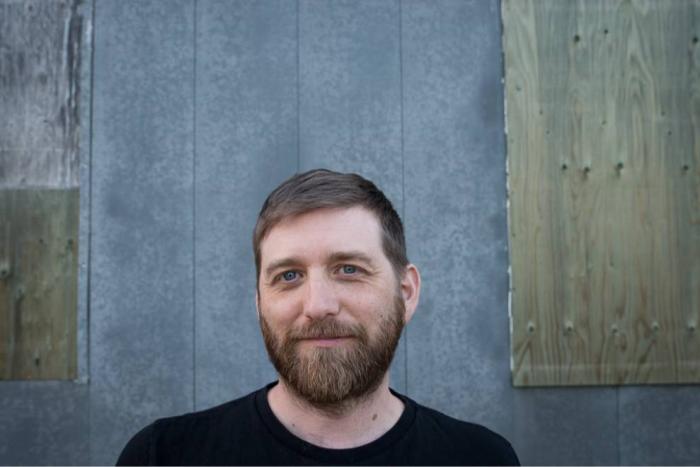
People love John Samson Fellows’s music. He doesn’t want to make it anymore.
Latest
Congratulations to all the nominees!
People love John Samson Fellows’s music. He doesn’t want to make it anymore.
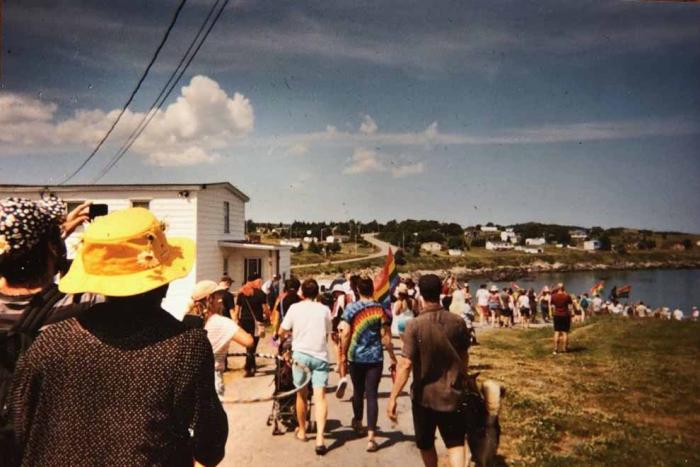
When Wanda bought the house, she didn’t imagine that anyone in the community would recognize that she and Lynn were queer.
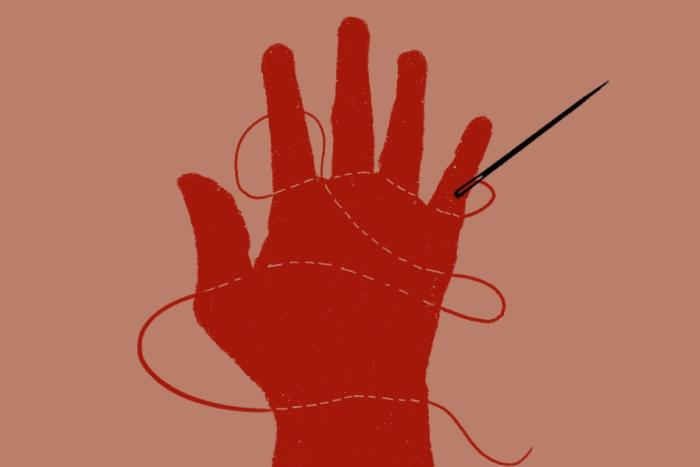

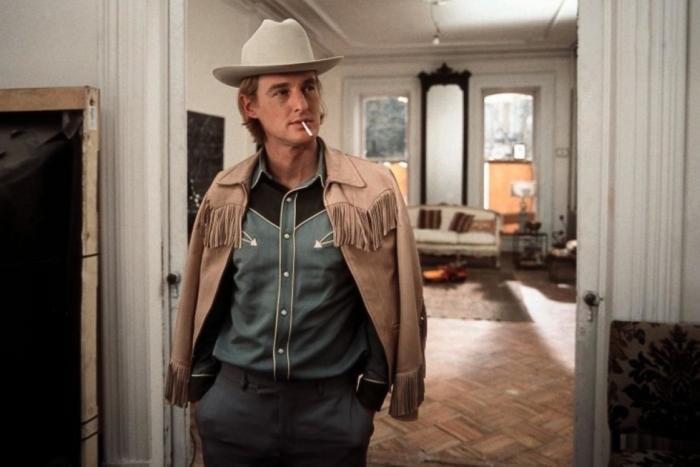
As a nerdy kid who wanted to be a film critic, I saw myself in Wilson's unexpected comedy. But my favourite writer was destined to become a movie star.

The author of Little Fires Everywhere on class markers, digging into the suburbs, and the depictions of East Asian characters in art.
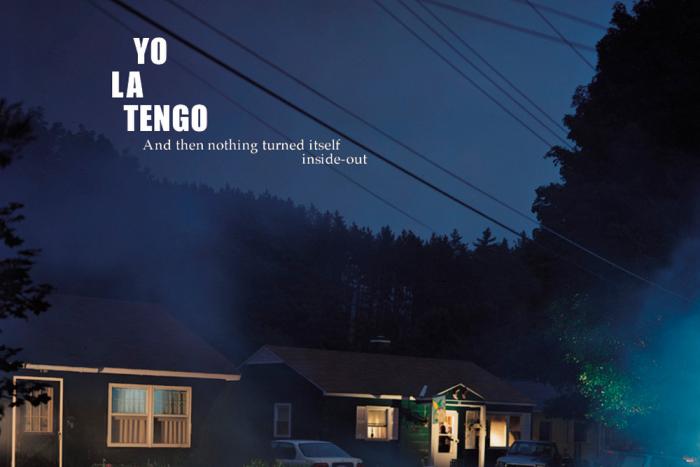
On Gregory Crewdson's photograph "Untitled (Beer Dream)," the cover art for Yo La Tengo's And Then Nothing Turned Itself Inside-Out.
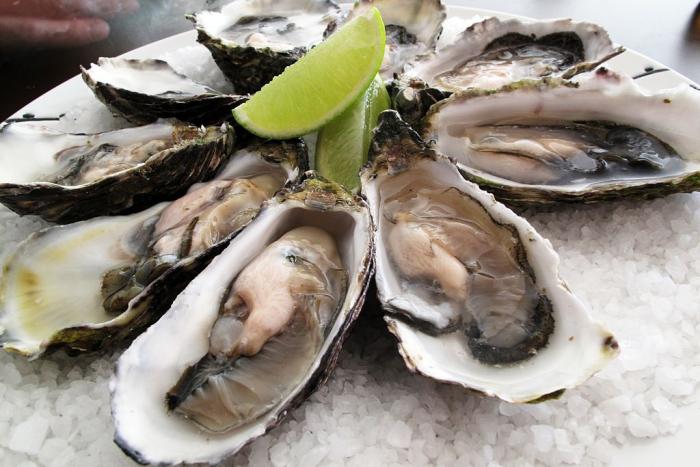
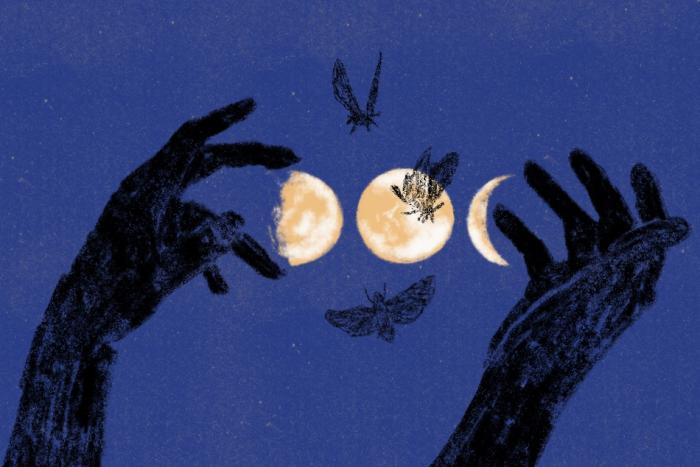
God had taken someone from me, I reasoned, and I could inhale some of his creatures in exchange.
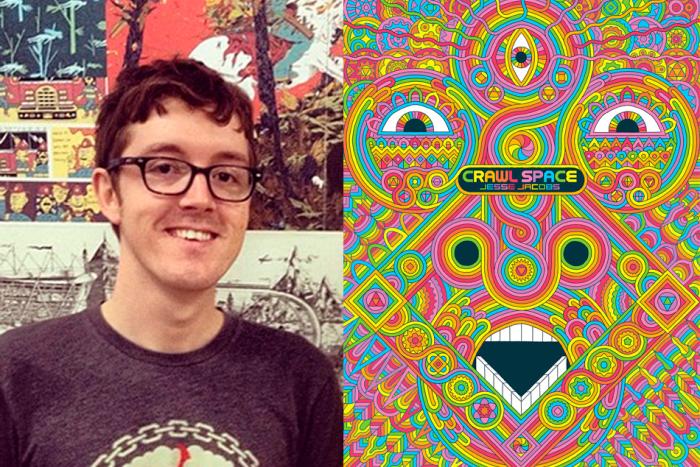
Talking to the Crawl Space cartoonist about putting characters in danger, the union between humans and nature, and the effects on his work of living in a beautiful place.
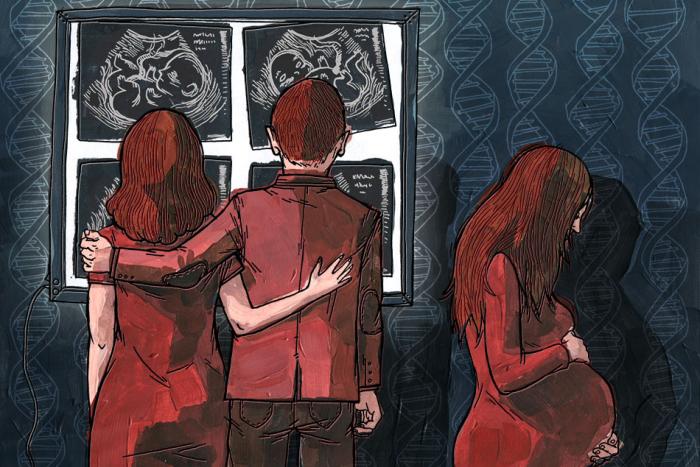
They wanted a baby, she wanted to carry it for them—for a fee. It’s a common transaction but illegal in Canada, and the system here leaves both parties vulnerable.