

Congratulations to all the nominees!
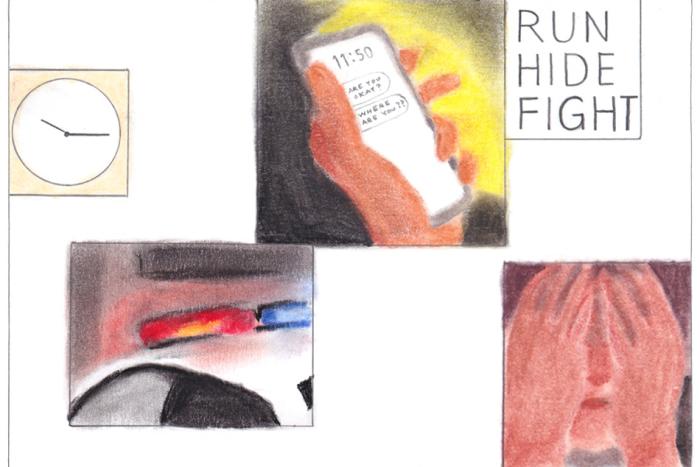
What does a campus shooting feel like?
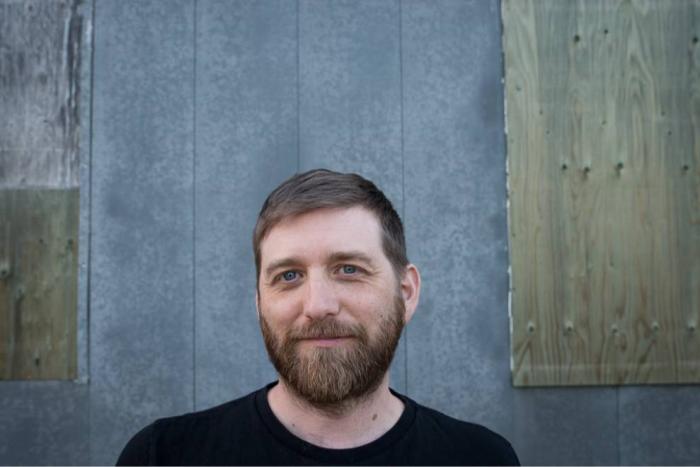
People love John Samson Fellows’s music. He doesn’t want to make it anymore.
Latest
Congratulations to all the nominees!
People love John Samson Fellows’s music. He doesn’t want to make it anymore.

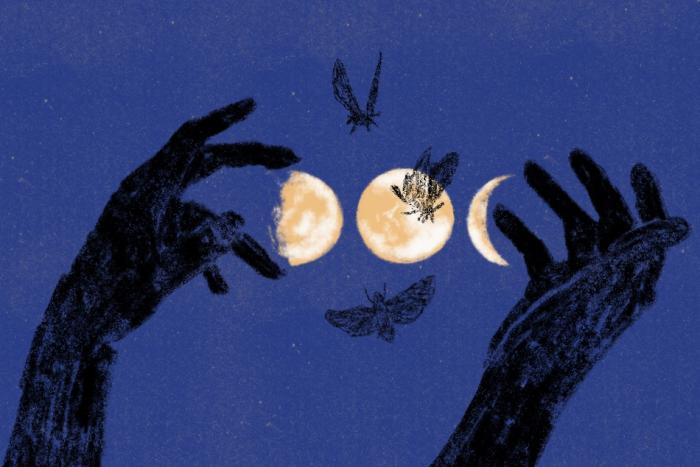

When Wanda bought the house, she didn’t imagine that anyone in the community would recognize that she and Lynn were queer.
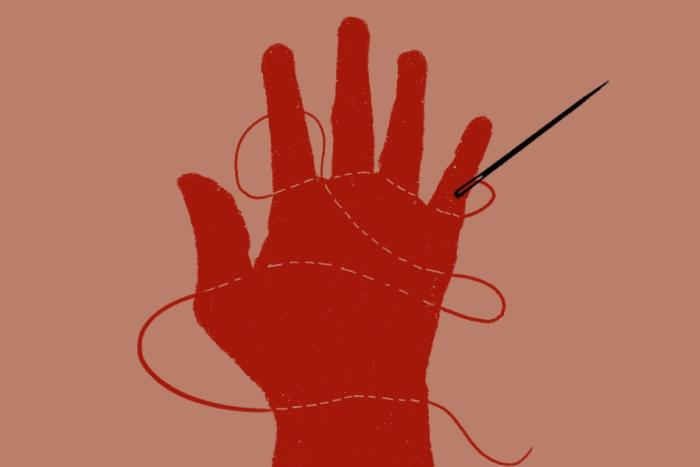


Discovering the balance between grace and effort in Philip Pullman's His Dark Materials trilogy.
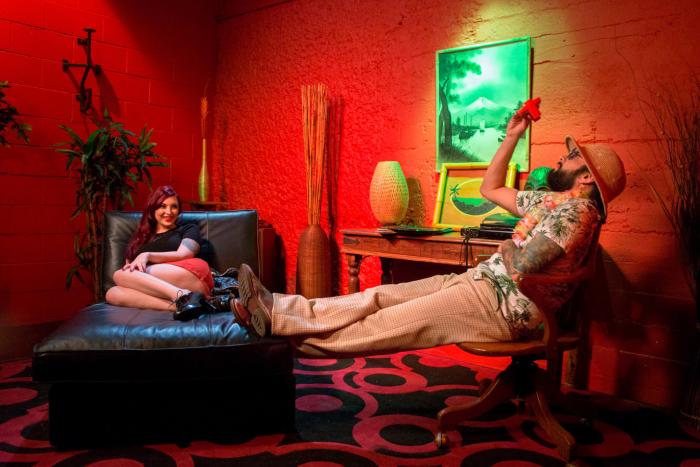
For a decade, the BDSM site Kink.com has filmed scenes for its more than 50,000 members in a hundred-year-old armory in downtown San Francisco. This year, the final erotic frames were shot on the premises.

The author of Collected Tarts and Other Indelicacies on The Simpsons, pranks, and saying hello to puppies.
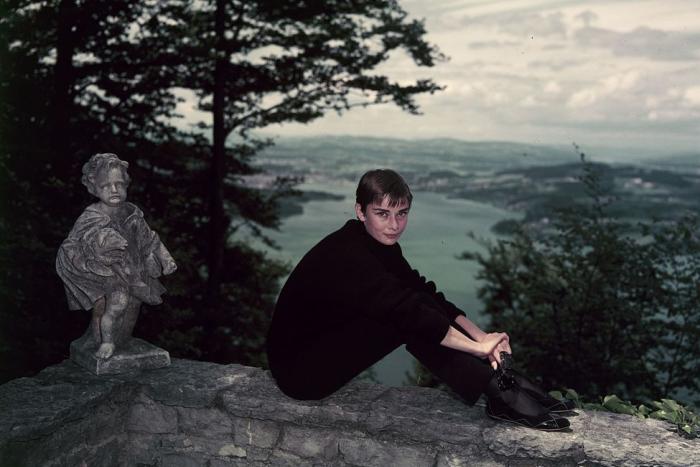

The author of Augustown on belief, class and racism in Jamaica, and unhappy endings.
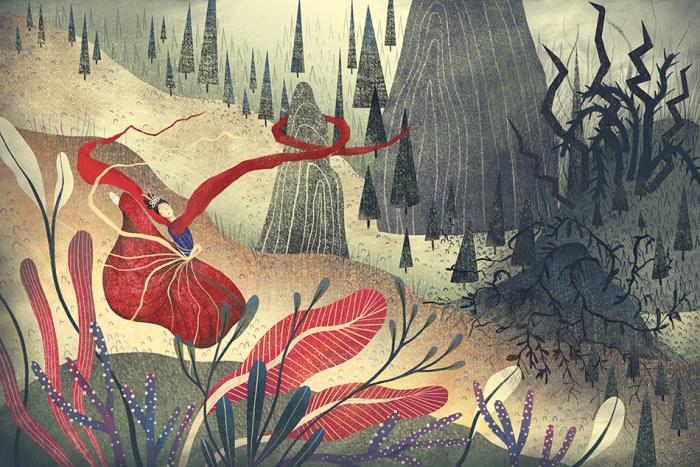
Beneath the ubiquitous posters for the Shen Yun ballet is a battle between dissidents and the state over the soul of a nation, both at home and across the diaspora.