

Congratulations to all the nominees!
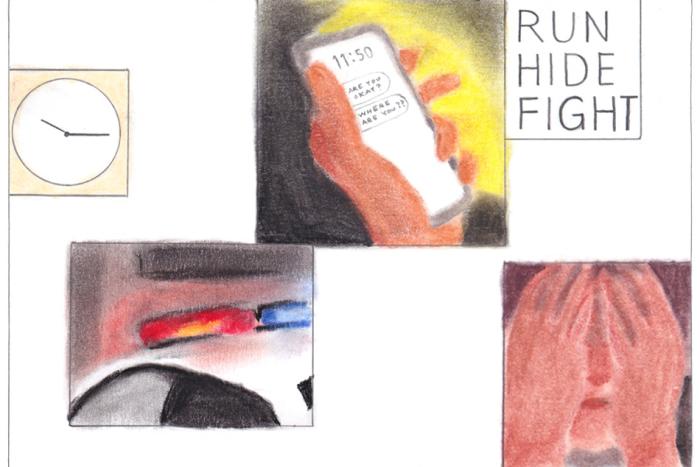
What does a campus shooting feel like?
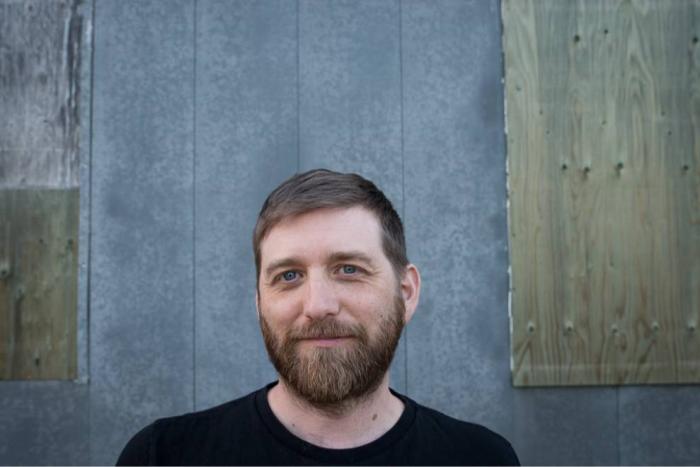
People love John Samson Fellows’s music. He doesn’t want to make it anymore.
Latest
Congratulations to all the nominees!
People love John Samson Fellows’s music. He doesn’t want to make it anymore.

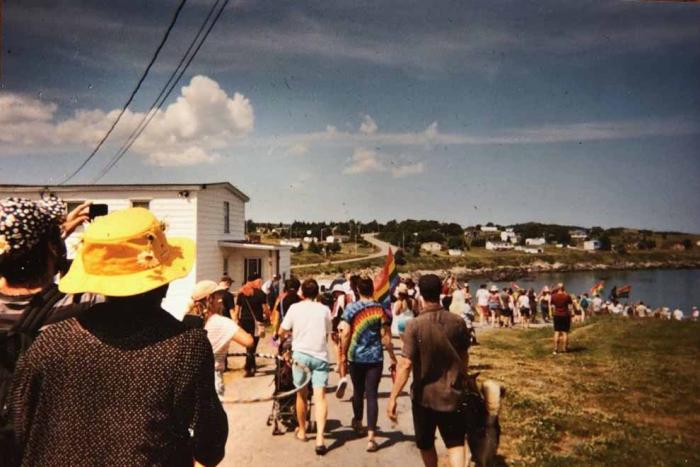
When Wanda bought the house, she didn’t imagine that anyone in the community would recognize that she and Lynn were queer.

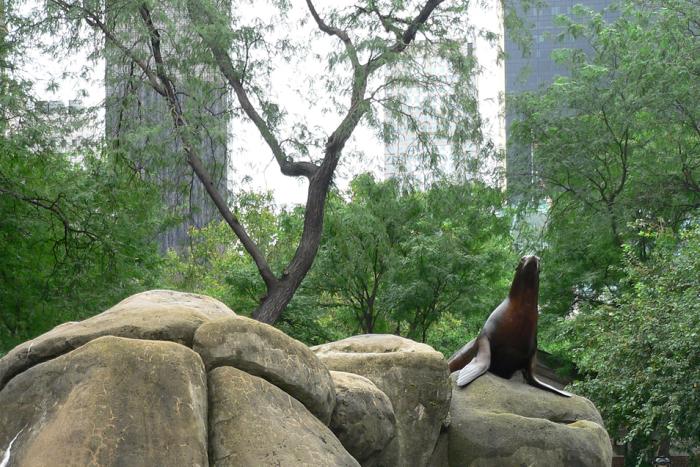
The city was hot and the world was on fire. Why not go look at some animals?
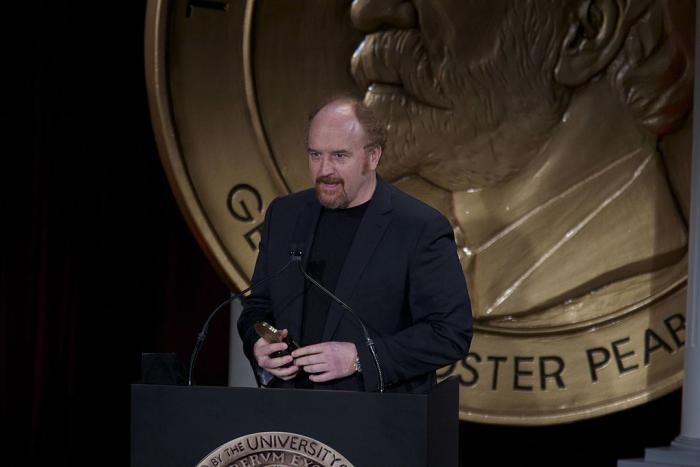
Louis C.K. would rather ignore those assault rumours, but at this point, he can't just let his art do the talking.

The author of Sour Heart on survival, memory and grace.
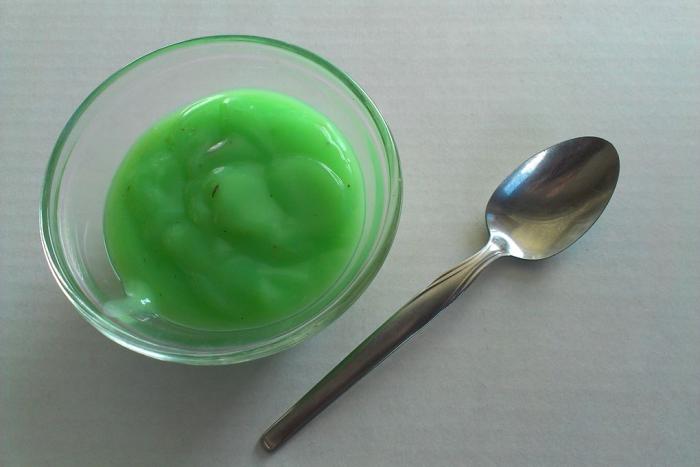
The fear of one day losing touch with Chinese culture compels me to shout my heritage just a little bit louder than my husband’s—including resisting things like casseroles and Jell-O.

The author of What We Lose on identities, the inability to be cured of grief, and abortion as a debate between something and nothing.
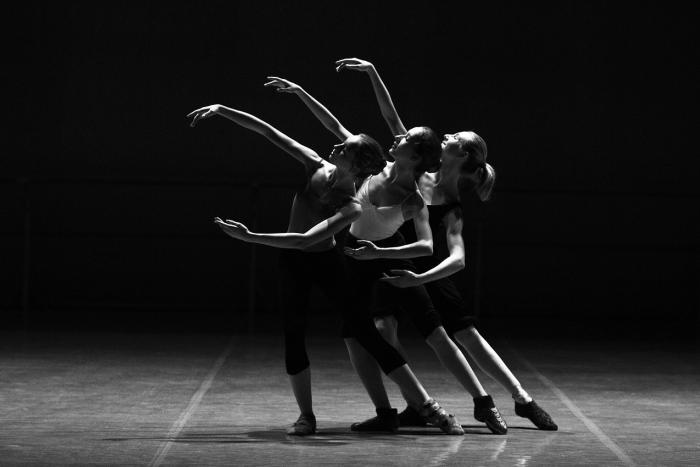
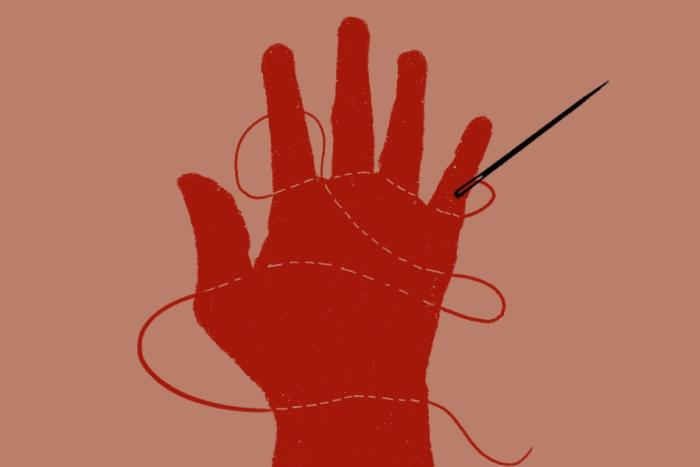
A traumatic fifteen-hour spinal operation saved my life but stole most of my mobility and, thus, my dance career. It took fifteen years to begin to correct the story.