

Congratulations to all the nominees!
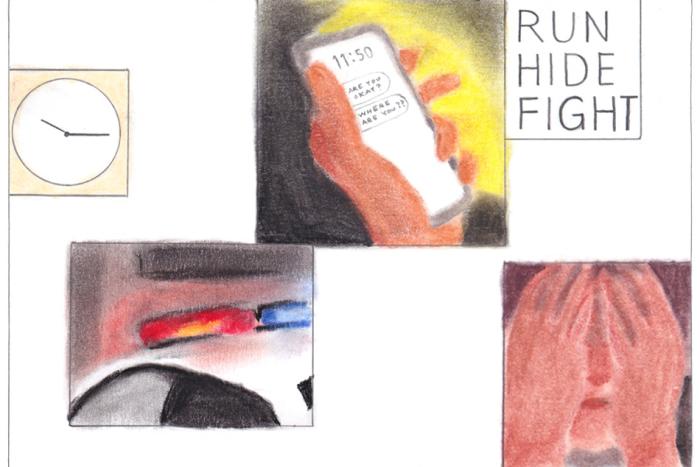
What does a campus shooting feel like?
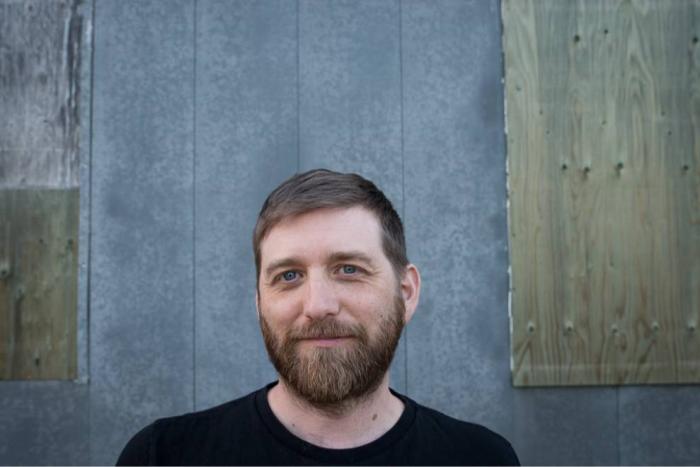
People love John Samson Fellows’s music. He doesn’t want to make it anymore.
Latest
Congratulations to all the nominees!
People love John Samson Fellows’s music. He doesn’t want to make it anymore.

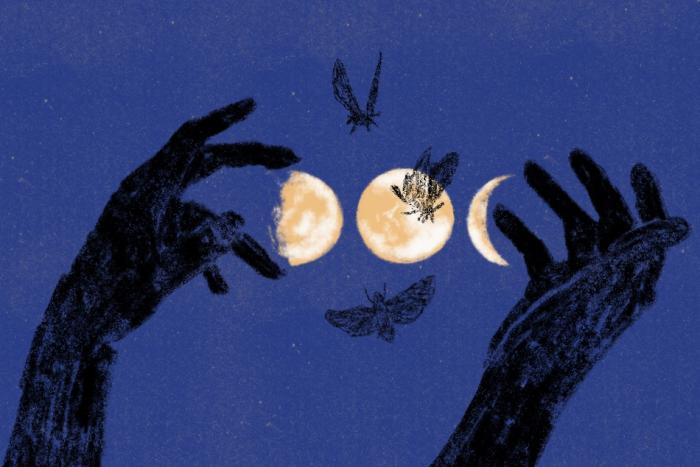
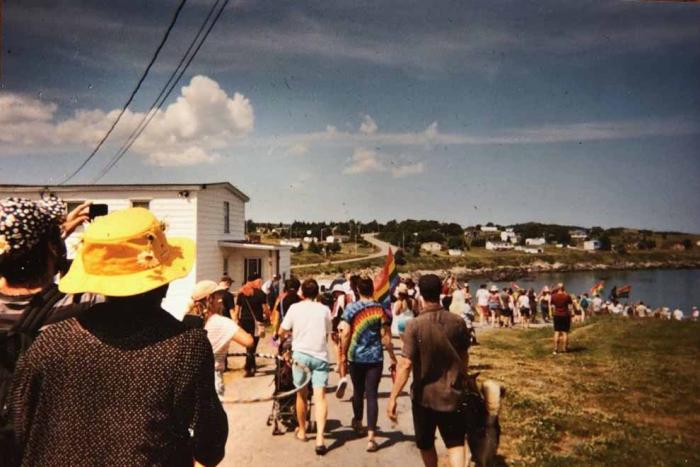
When Wanda bought the house, she didn’t imagine that anyone in the community would recognize that she and Lynn were queer.

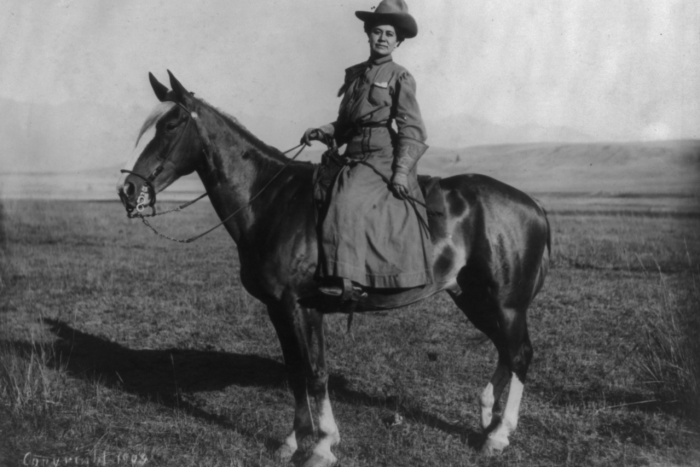
Is donning cowboy boots a symbol of independence for women, or an attempt to fit in with a culture that does not seem to recognize—or respect—our autonomy?

Every day since November has been a drag. In the midst of its dog days, one weekend of well-deserved, inclusive, player-worship was the least baseball could provide.
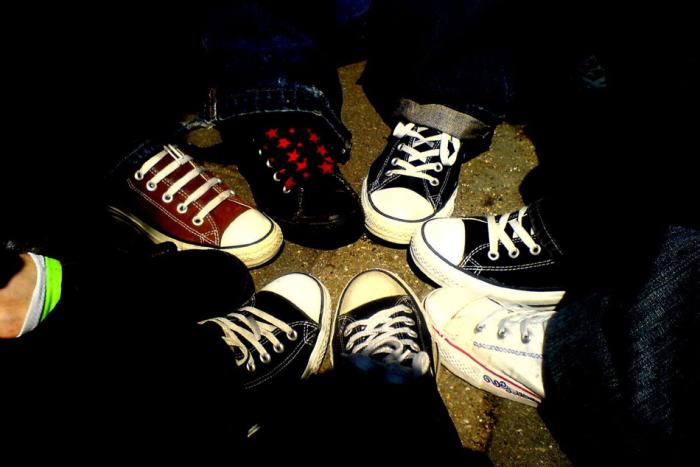
Why am I loath to confess to the role these bands played in allowing me a measure of catharsis when I was a teenager facing down extraordinary grief?
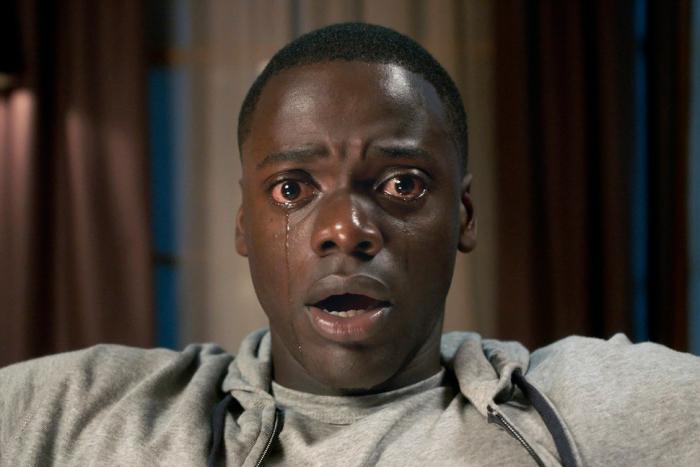
Armond White's film reviews were once electric: part historical analysis, part posturing, part insult comedy, an attempt to take black art—and art in general—seriously. What happened?
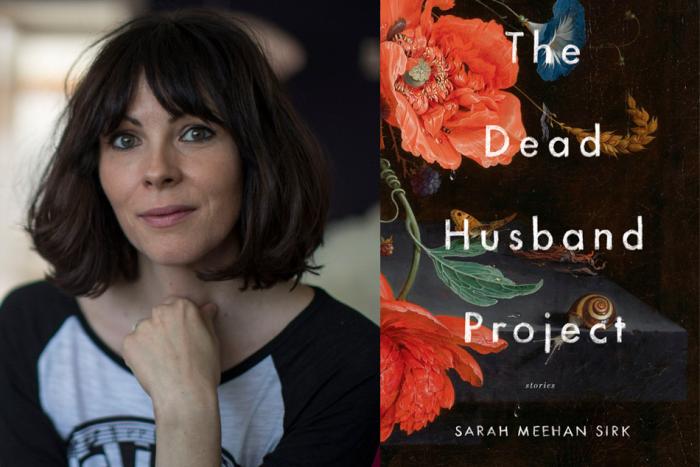
The author of The Dead Husband Project on Sartre, motherhood and solving proofs.
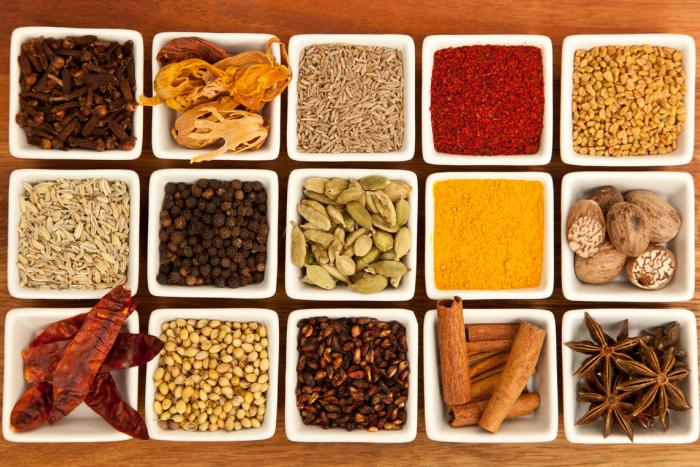
The history of curry is a close parallel to the formation of South Asian diasporic identity, a blend of conflicting cultural messages forced into coherence.