Congratulations to all the nominees!
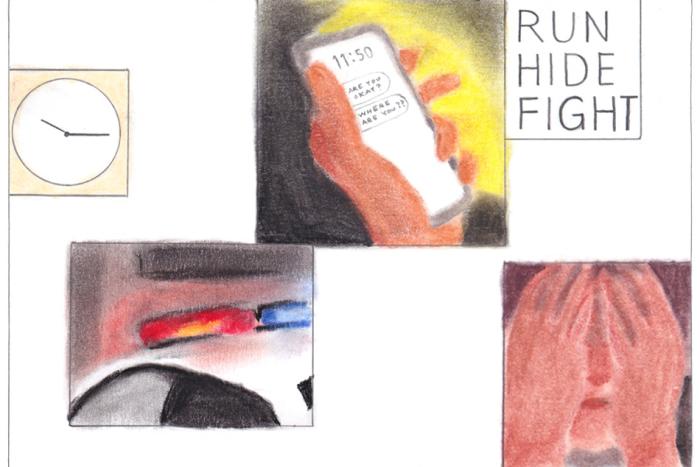
What does a campus shooting feel like?
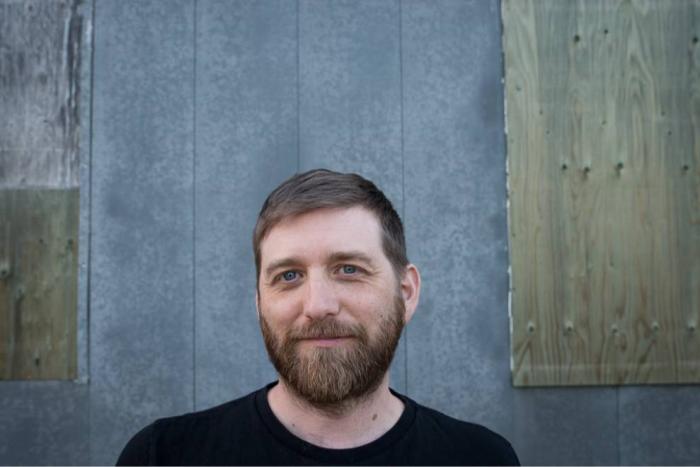
People love John Samson Fellows’s music. He doesn’t want to make it anymore.
Latest
Congratulations to all the nominees!
People love John Samson Fellows’s music. He doesn’t want to make it anymore.

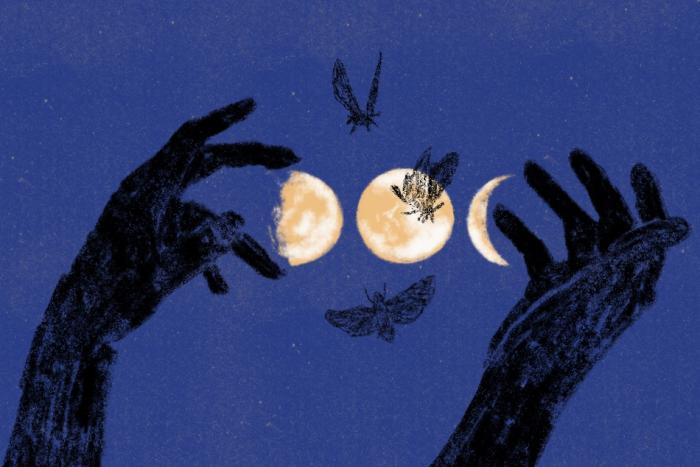
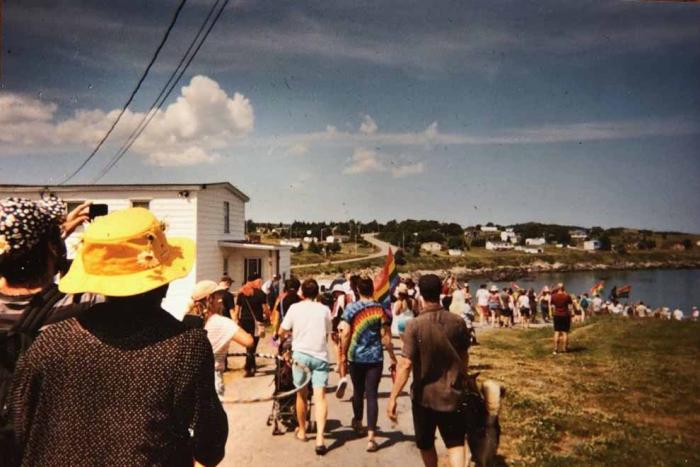
When Wanda bought the house, she didn’t imagine that anyone in the community would recognize that she and Lynn were queer.

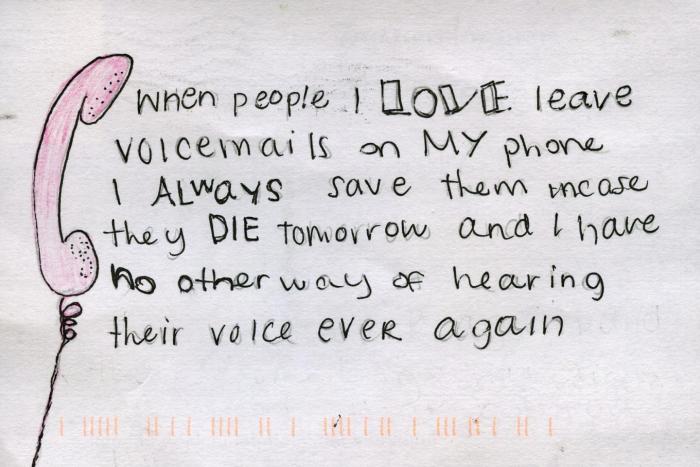
For twenty years, PostSecret has broadcast suburban America’s hidden truths—and revealed the limits of limitless disclosure.
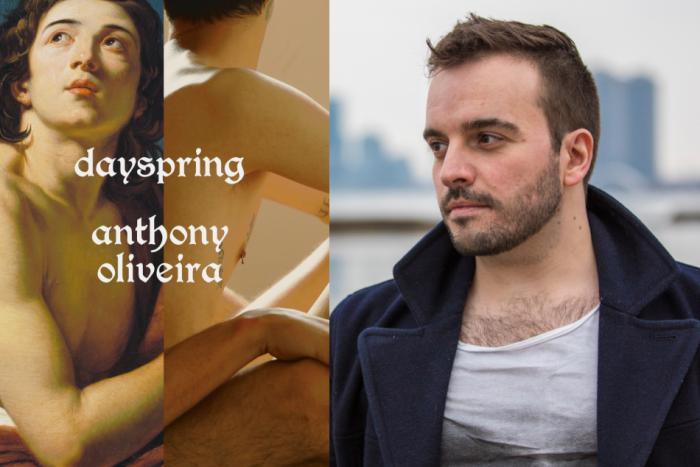
The author of Dayspring discusses queerness, Christianity, and the anxious sense that history is over.

From spartan cream to splashy blobs, Canada's French and English literary cultures have their own separate visual languages.
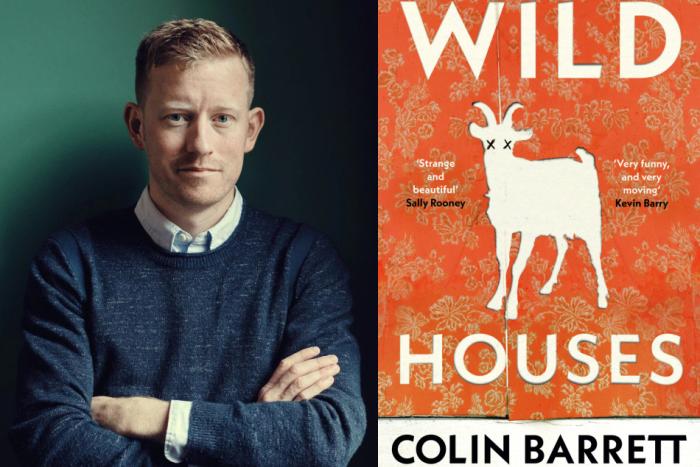
The author of Wild Houses on peripheral main characters, small town lore, and growing up around people of “miscellaneous occupation.”