

Congratulations to all the nominees!
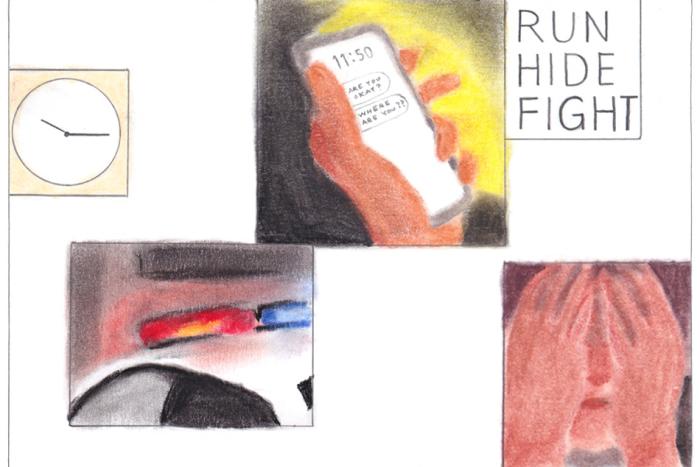
What does a campus shooting feel like?
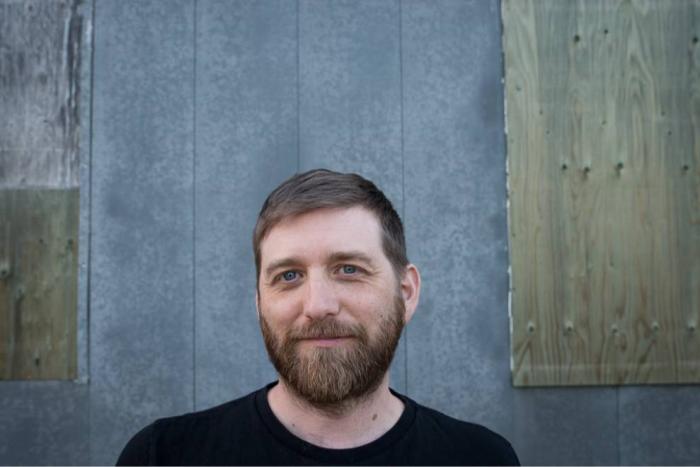
People love John Samson Fellows’s music. He doesn’t want to make it anymore.
Latest
Congratulations to all the nominees!
People love John Samson Fellows’s music. He doesn’t want to make it anymore.

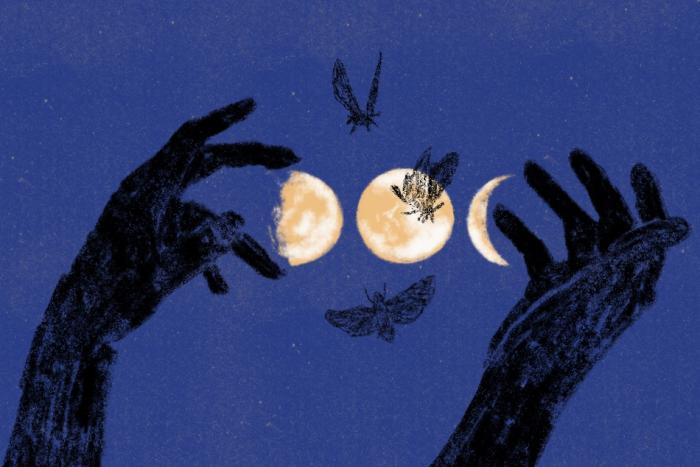
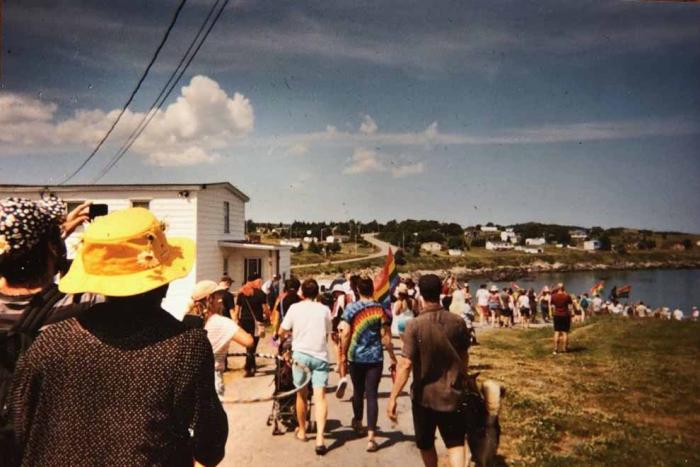
When Wanda bought the house, she didn’t imagine that anyone in the community would recognize that she and Lynn were queer.
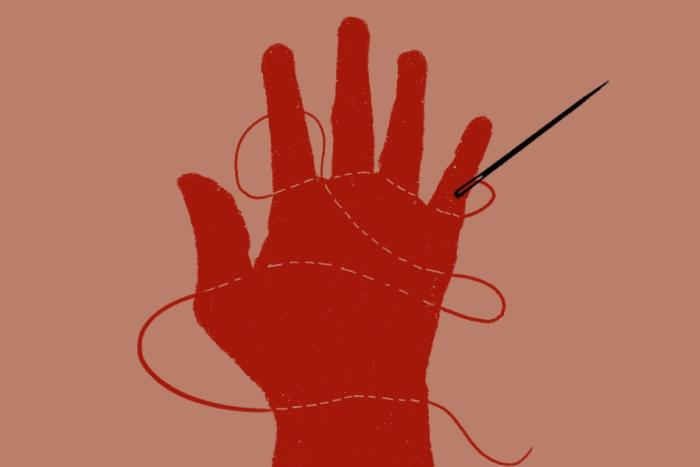


The author of Aesthetica on stardom and online hate, conflict between feminisms, and the evergreen currency of a woman’s image.
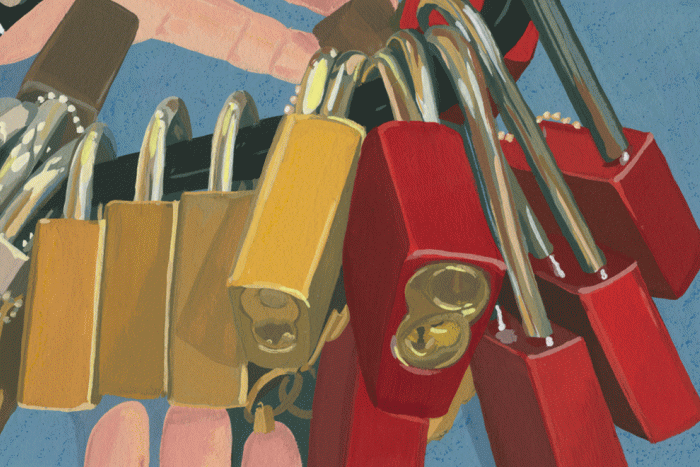
“People tend to notice when you say, ‘I can open your front door in thirty seconds.’”
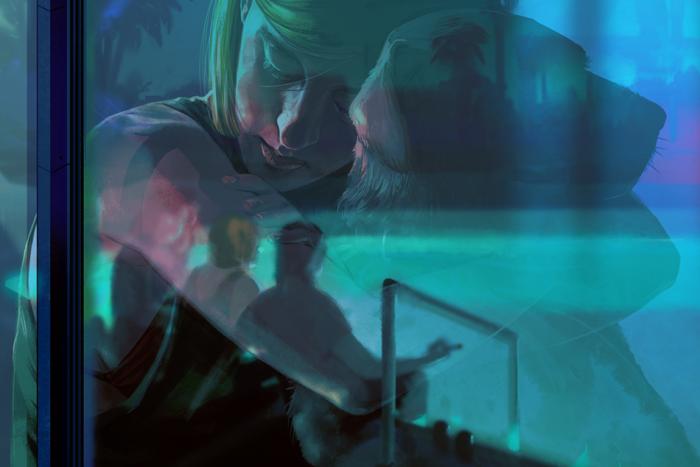
Pregnant potcakes from Belize and Cuba, foster failures from Miami-Dade, puppies found in trash bins.

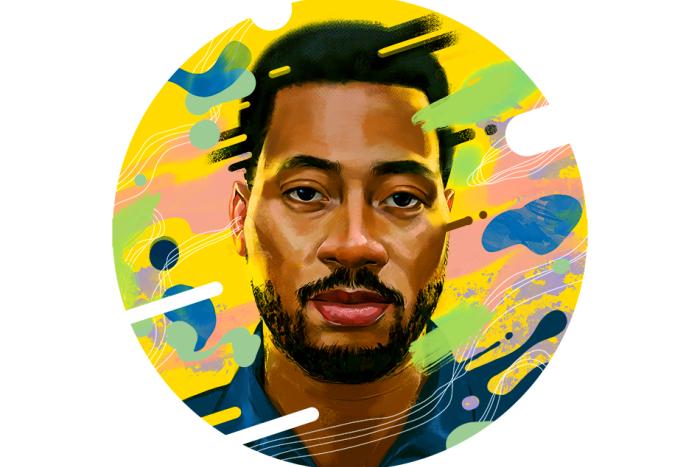
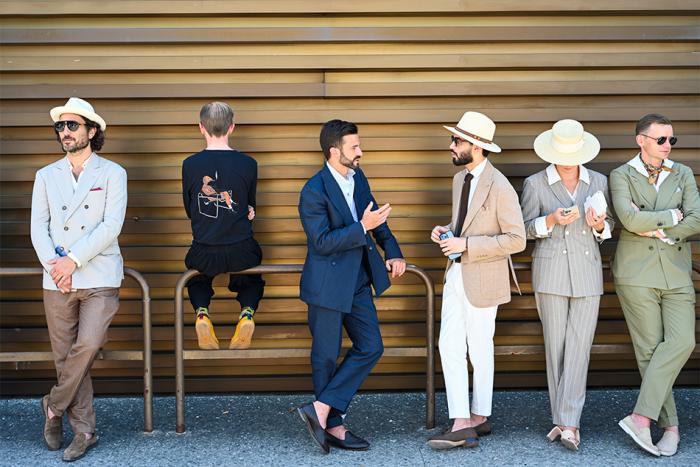
On luxury shopping, men’s fashion and end-of-the-world salvation.