

Congratulations to all the nominees!
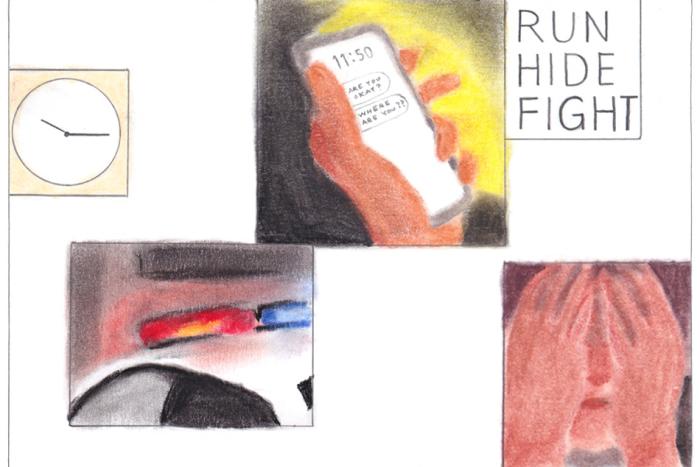
What does a campus shooting feel like?
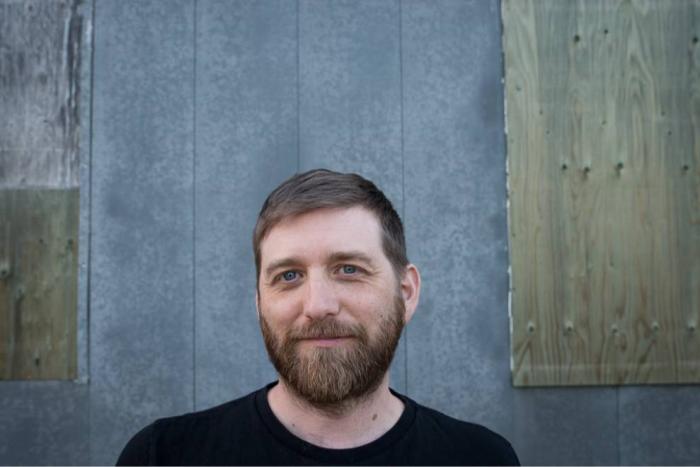
People love John Samson Fellows’s music. He doesn’t want to make it anymore.
Latest
Congratulations to all the nominees!
People love John Samson Fellows’s music. He doesn’t want to make it anymore.
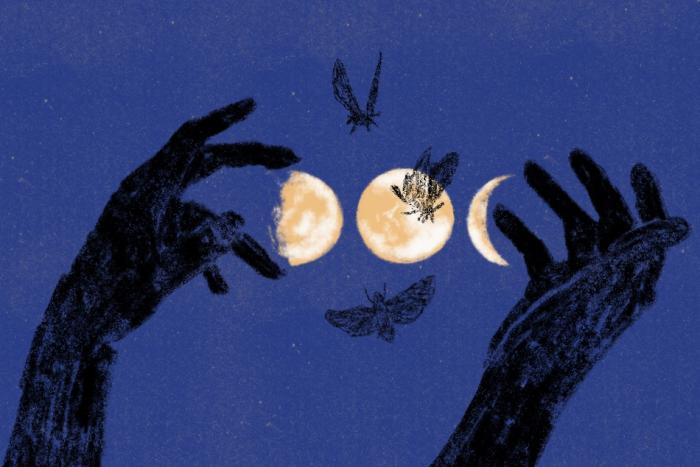
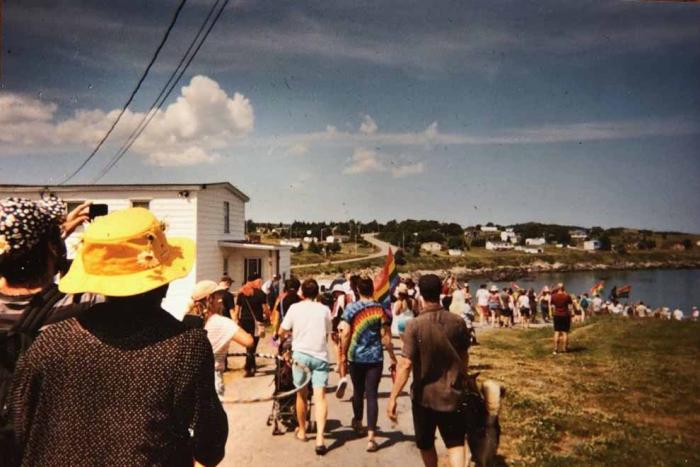
When Wanda bought the house, she didn’t imagine that anyone in the community would recognize that she and Lynn were queer.
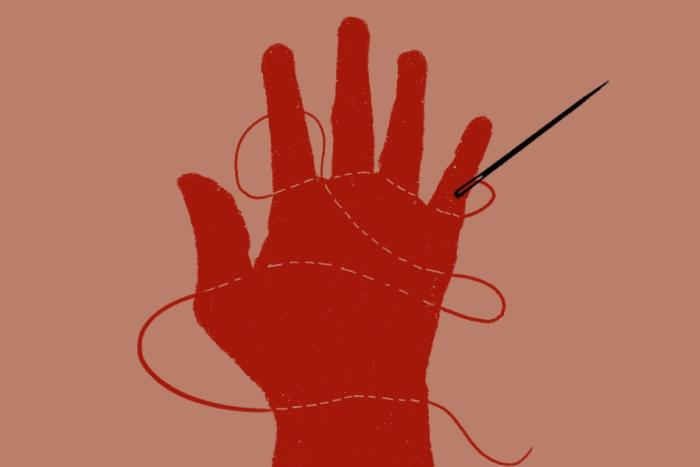

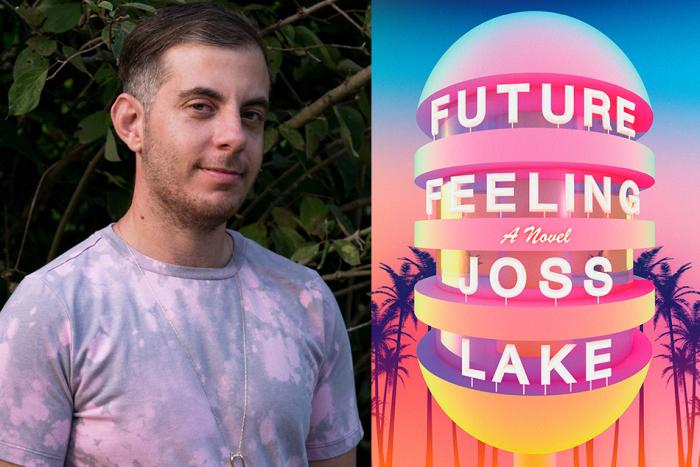
Talking to the author of Future Feeling about letting characters carry on in literary reality, counterbalancing angst and humor, and the interconnectedness of queer relationships.
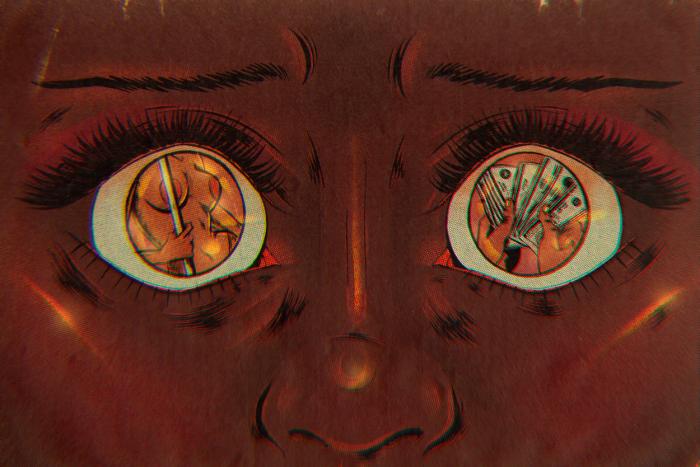
A calculated veneer of identity is our most valuable modern resource.
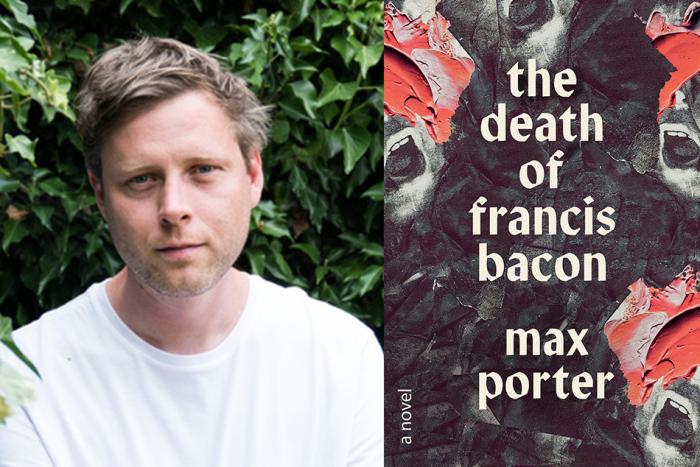
The author of The Death of Francis Bacon on "big, canonical problematic figures," questioning artificiality, and creepy doll furniture.

Talking to the author of Beautiful World, Where Are You about not creating characters from a place of moral superiority, authors as celebrities, and the great stakes of love and friendship.
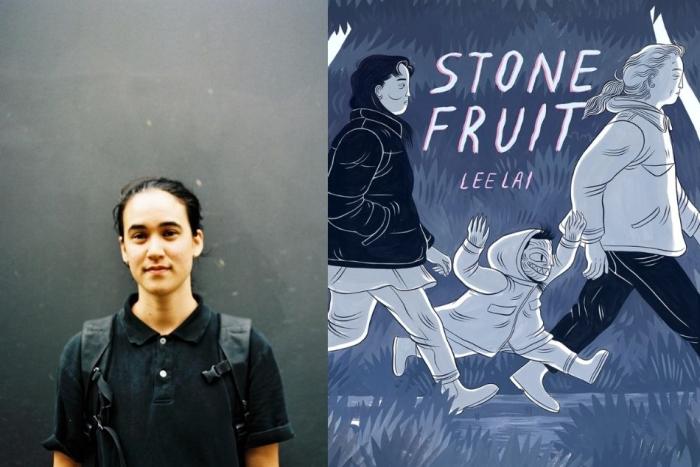
Talking to the author of Stone Fruit on queer child care, the importance of breakups, and the peach-walnut dichotomy.
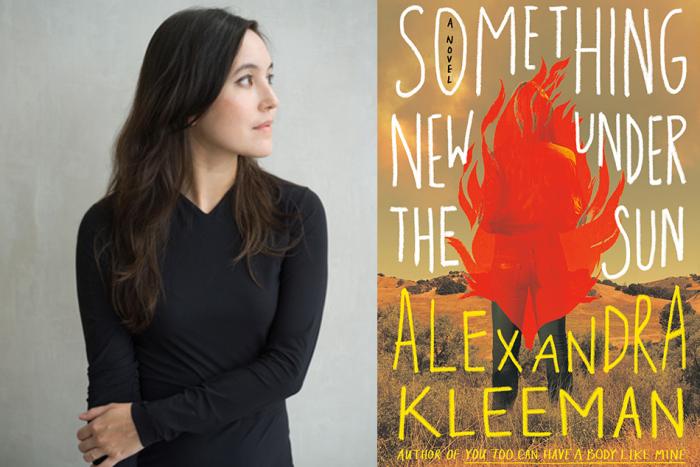
Talking to the author of Something New Under the Sun about realist novels, writing as an archaeological excavation, and taking for granted fitting into the world.