

Congratulations to all the nominees!
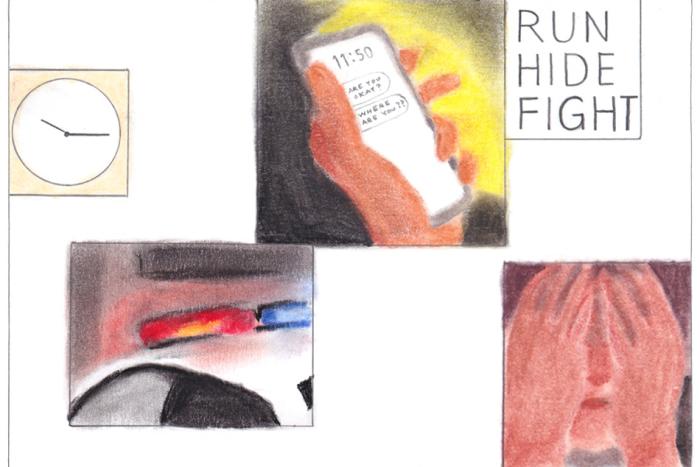
What does a campus shooting feel like?
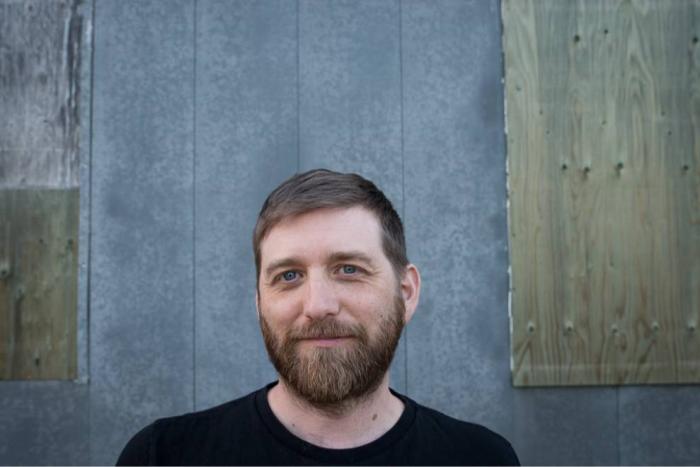
People love John Samson Fellows’s music. He doesn’t want to make it anymore.
Latest
Congratulations to all the nominees!
People love John Samson Fellows’s music. He doesn’t want to make it anymore.
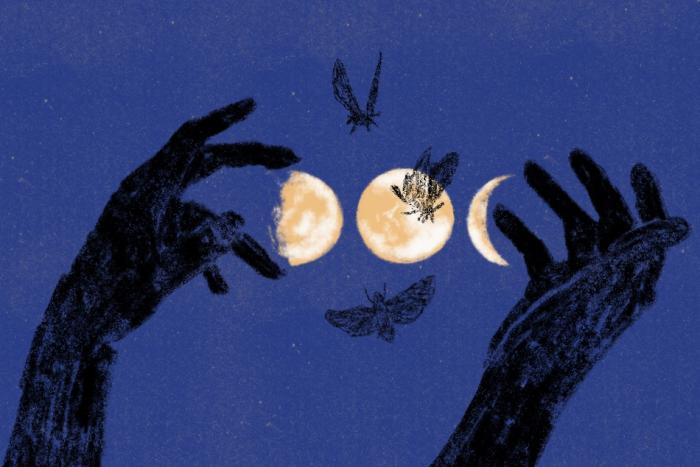
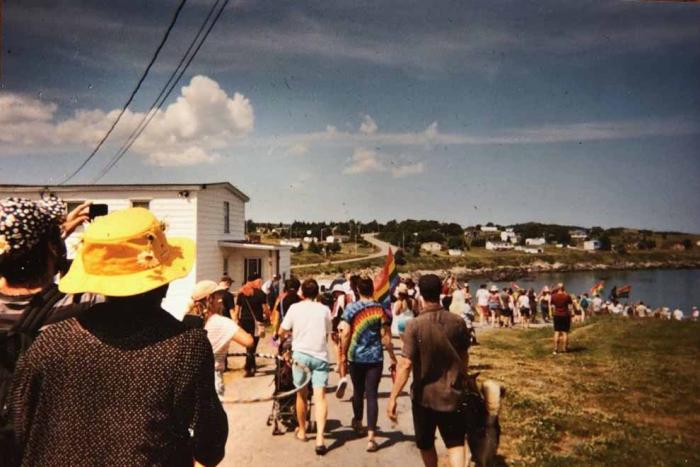
When Wanda bought the house, she didn’t imagine that anyone in the community would recognize that she and Lynn were queer.

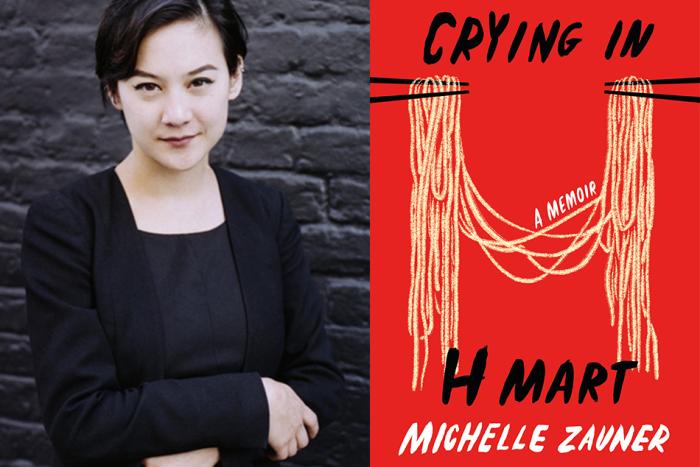
Talking to the author of Crying in H Mart about trusting your memory, how writing a book is different from writing a song, and art as an archive.
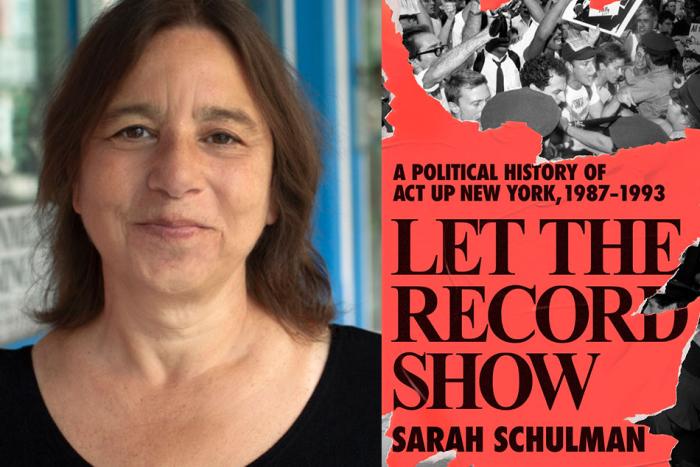
The author of Let the Record Show on AIDS activism, gossip, and collective memory.
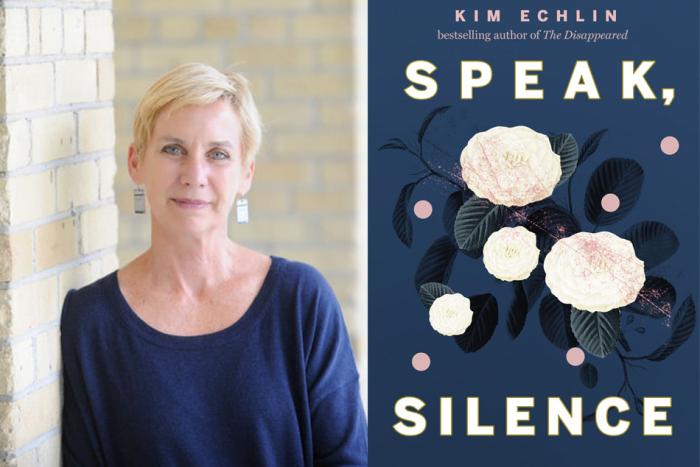
The author of Speak, Silence on a writer’s responsibility as a witness, the unexpressed history of war, and carrying a feeling of home while witnessing the world.
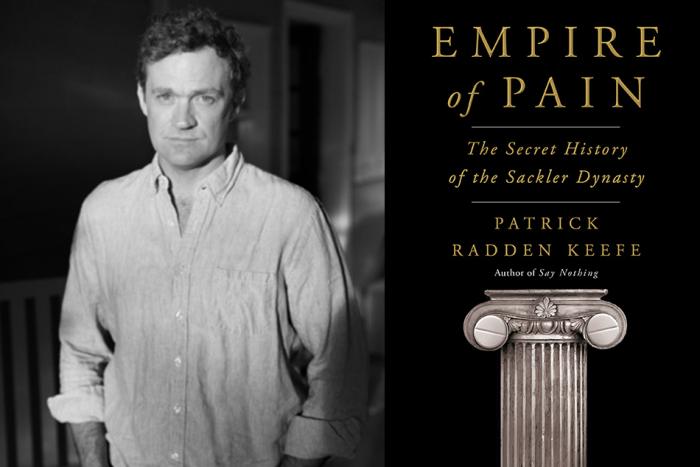
Talking to the author of Empire of Pain about the value of editors, the family name as a brand, and the feeling of getting your hands on the hot docs.
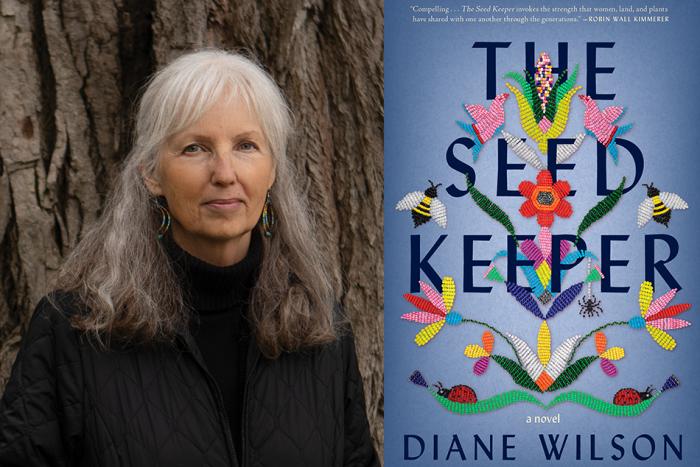
Talking to the author of The Seed Keeper about the tragedies of modern agriculture, and restoring Indigenous foods to communities as one way of healing historical trauma.
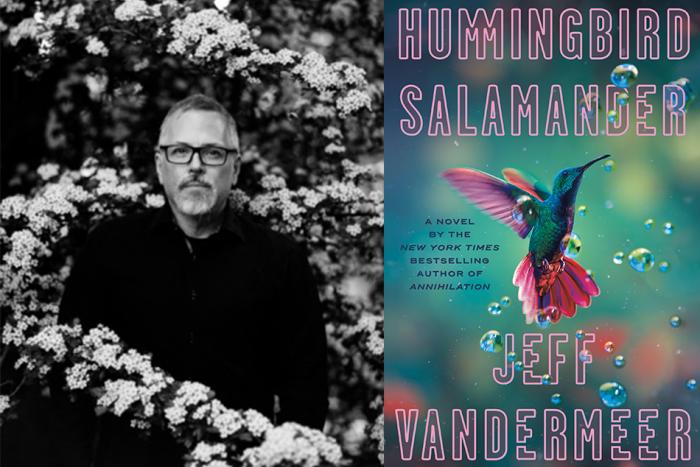
Talking to the author of Hummingbird Salamander about propagandizing animals' supposed desire to be eaten, writing loners, and yard owls.