

Congratulations to all the nominees!
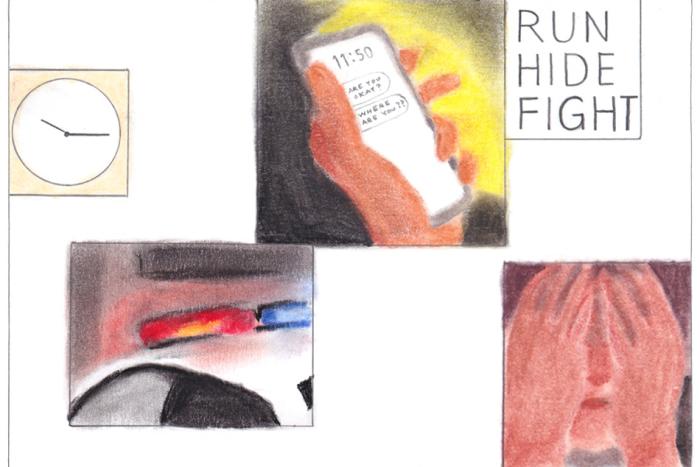
What does a campus shooting feel like?
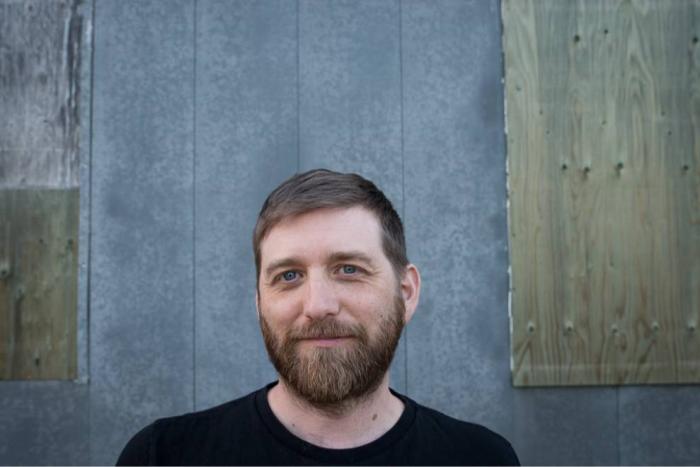
People love John Samson Fellows’s music. He doesn’t want to make it anymore.
Latest
Congratulations to all the nominees!
People love John Samson Fellows’s music. He doesn’t want to make it anymore.

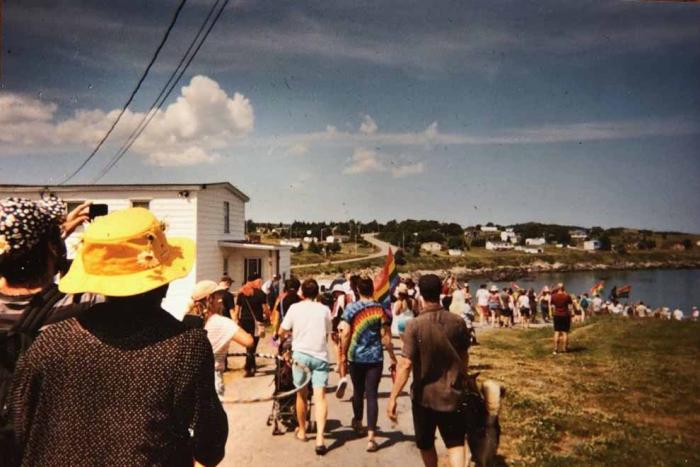
When Wanda bought the house, she didn’t imagine that anyone in the community would recognize that she and Lynn were queer.

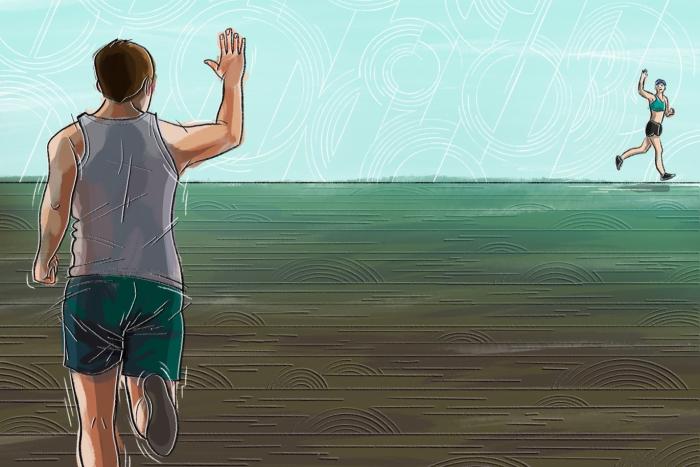
Runners were perfectly suited for 2020. You’re telling us we get to stay more than breathing distance away from any other people? What’s the catch?
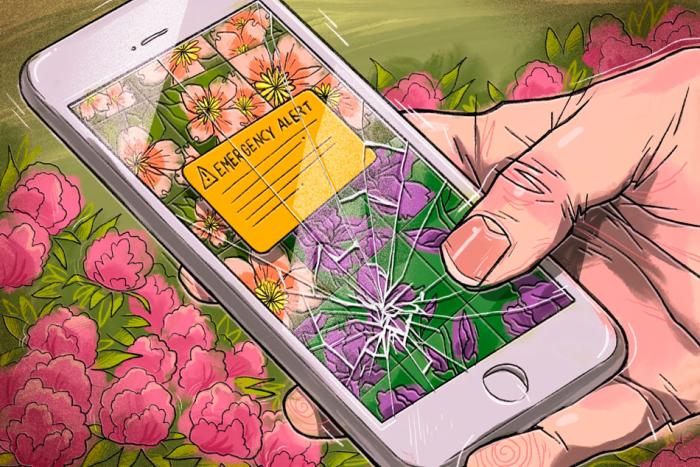
I have no idea what history will make of 2020, but the only record I have kept of this cursed year are blurry photos of shrubs.

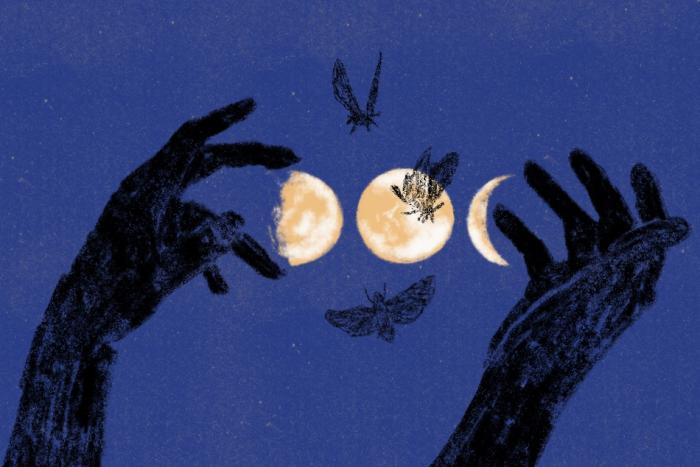
The point is to accept that our impulses cannot save us from impermanence, that change and failure and death are inevitable—that stillness, as much as movement, is divine.
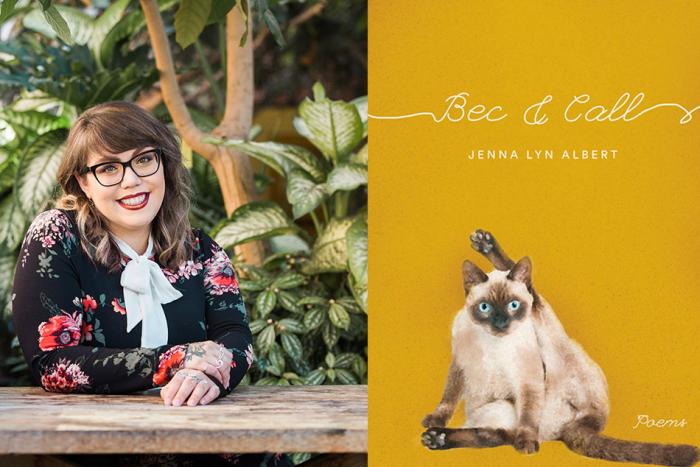
The author of Bec & Call on the role of poet laureates, the political power of writing, and capturing a sense of place in her work.
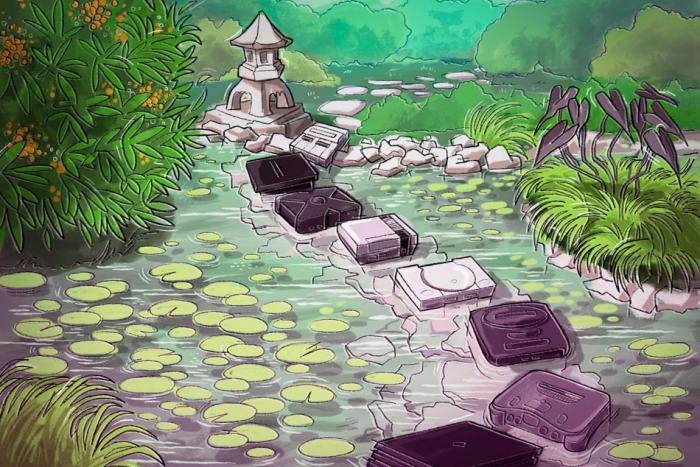
In a move critics are describing as “a bit on the nose,” I start playing a game about being trapped eternally in hell.