

Congratulations to all the nominees!
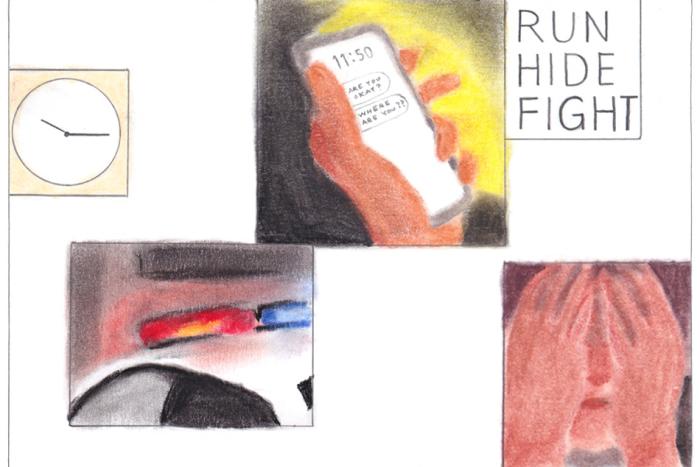
What does a campus shooting feel like?
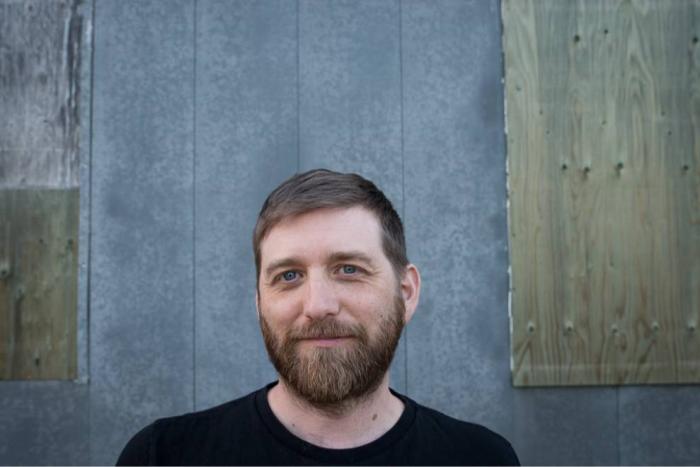
People love John Samson Fellows’s music. He doesn’t want to make it anymore.
Latest
Congratulations to all the nominees!
People love John Samson Fellows’s music. He doesn’t want to make it anymore.
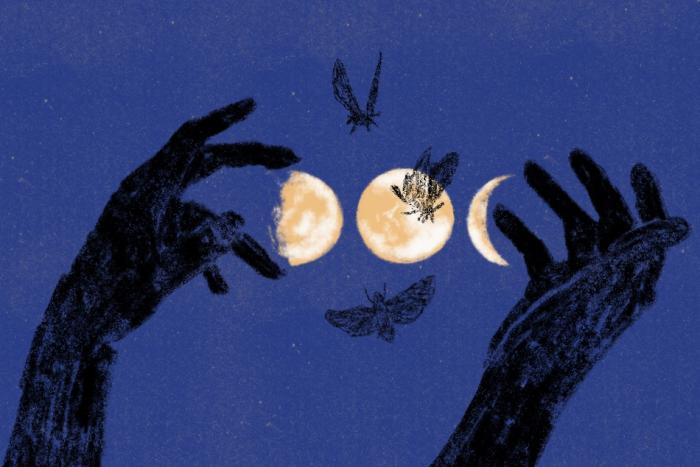
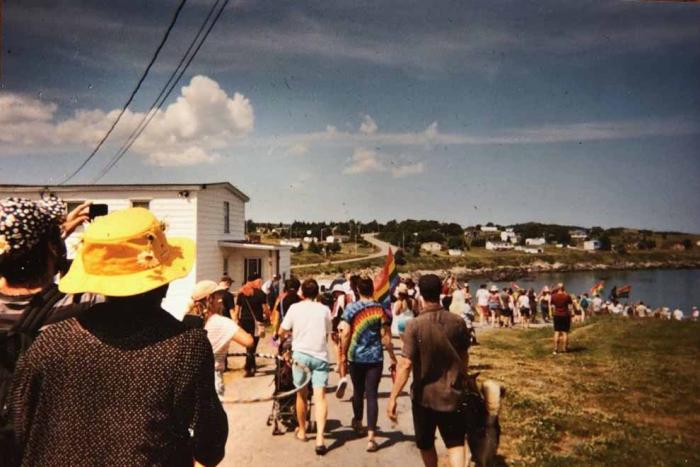
When Wanda bought the house, she didn’t imagine that anyone in the community would recognize that she and Lynn were queer.

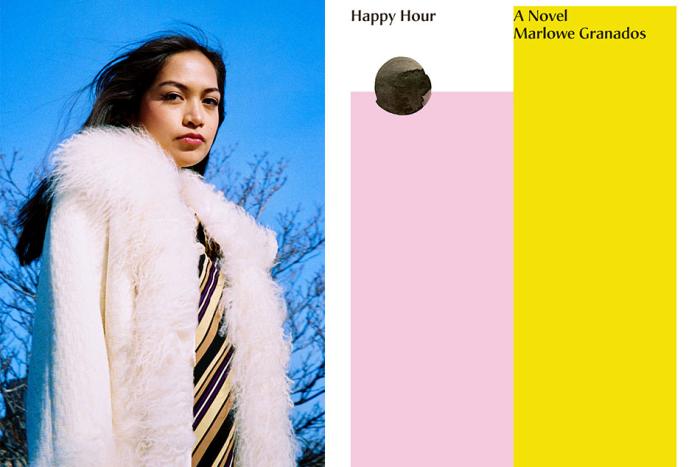
The author of Happy Hour on charm as currency, the resilience of feminity, and getting away with things.
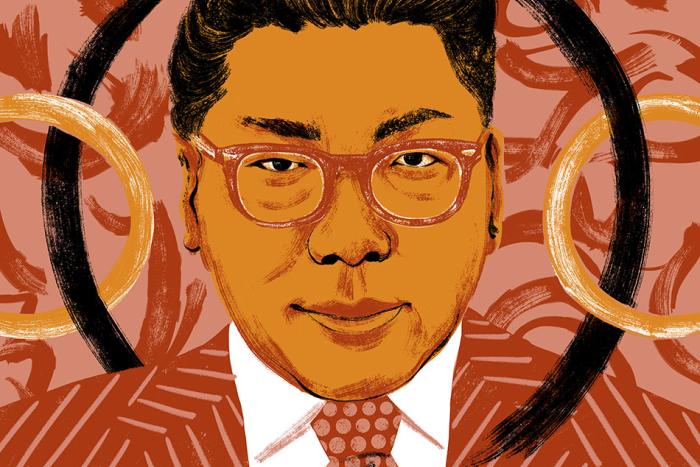
My parents' bizarre, unlikely matchmaker, the cult leader.
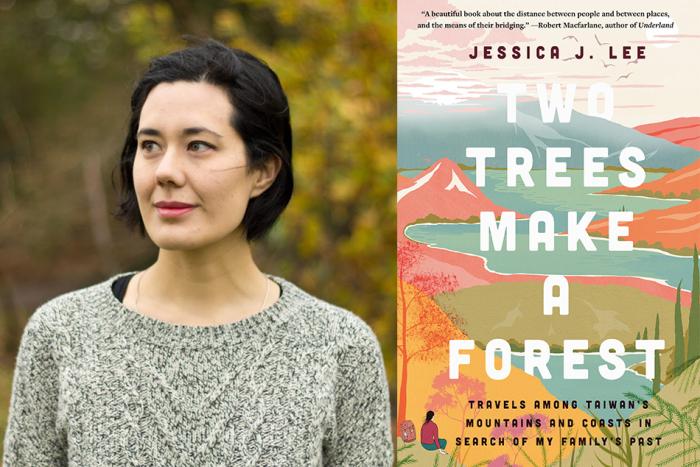
Talking to the author of Two Trees Make a Forest about changing ideas of home, our bodies as maps, and how the natural landscape influences human connection.
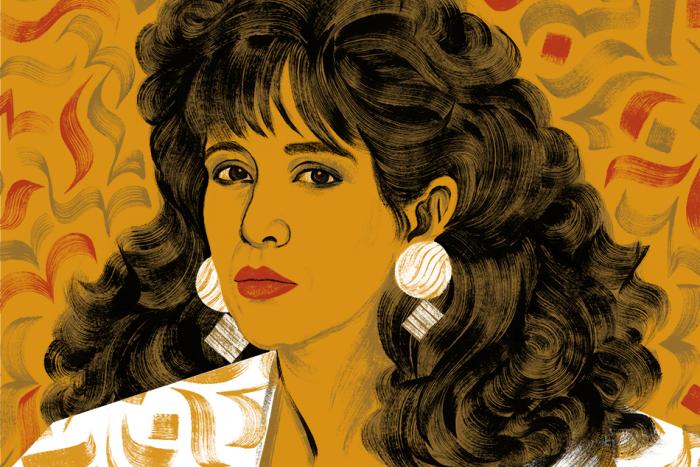

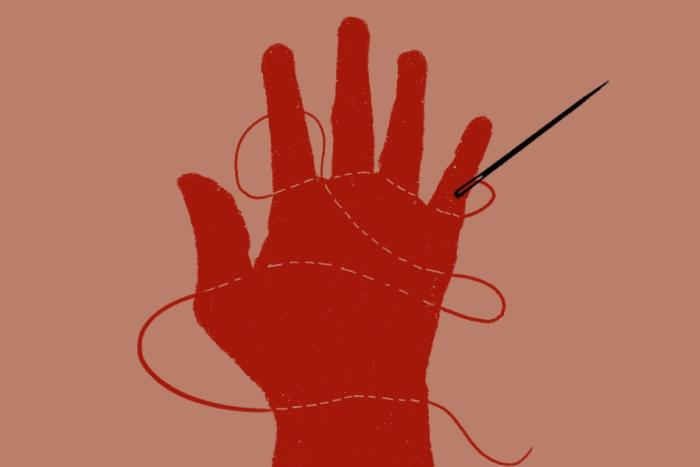
Transforming craft into an act of protest against indifference is something women have done for centuries.
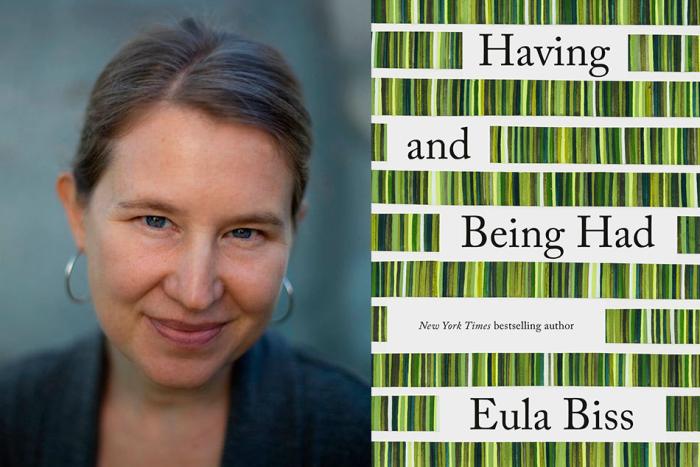
The author of Having and Being Had on the place where sensibility meets ideology, mid-life retrospective reckoning, and writing yourself into realizations.