

Congratulations to all the nominees!
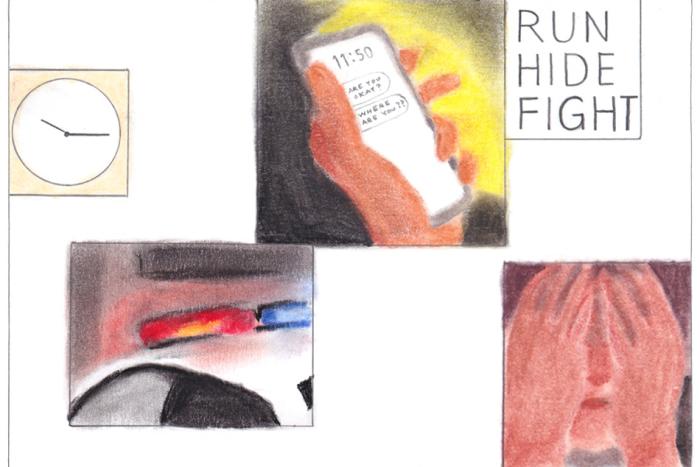
What does a campus shooting feel like?
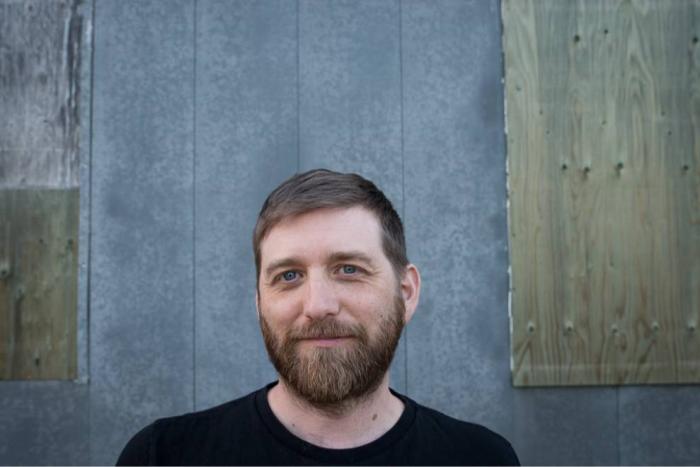
People love John Samson Fellows’s music. He doesn’t want to make it anymore.
Latest
Congratulations to all the nominees!
People love John Samson Fellows’s music. He doesn’t want to make it anymore.

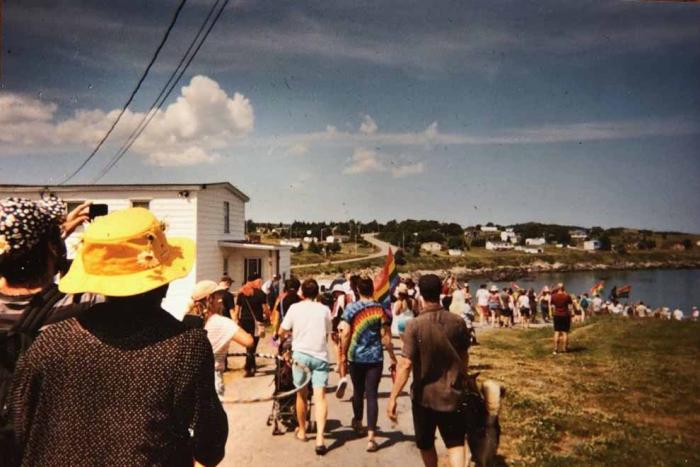
When Wanda bought the house, she didn’t imagine that anyone in the community would recognize that she and Lynn were queer.

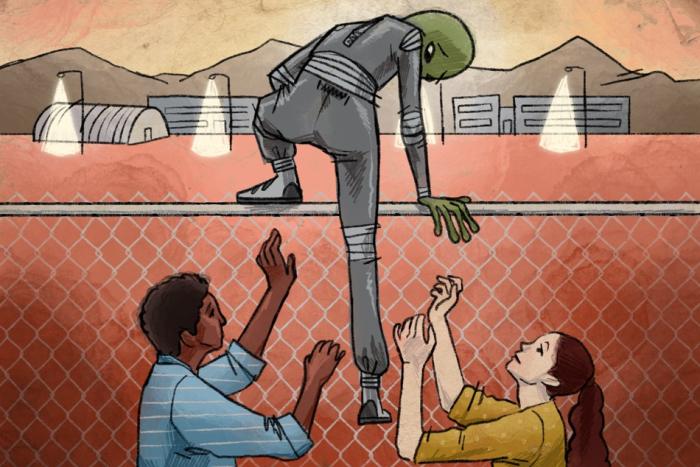
The popularity of the Storm Area 51 meme could easily be read as a cry for help—as though if we save the aliens from the government, they can, in turn, save us from ourselves.
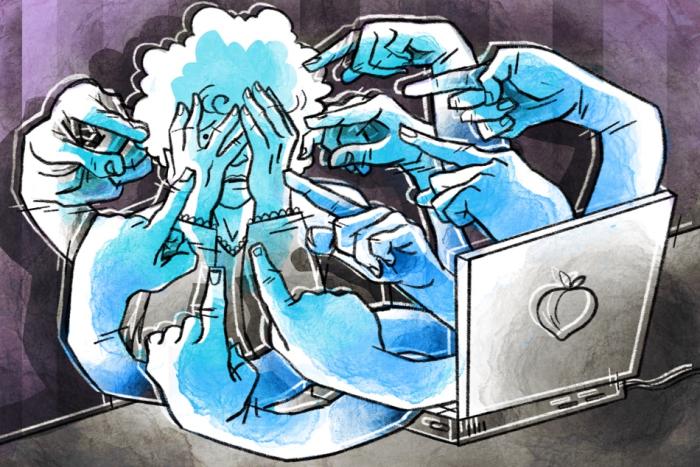
The standard explanations for why things have happened this year have turned out to be as useless as the most far-out conspiracy theories.
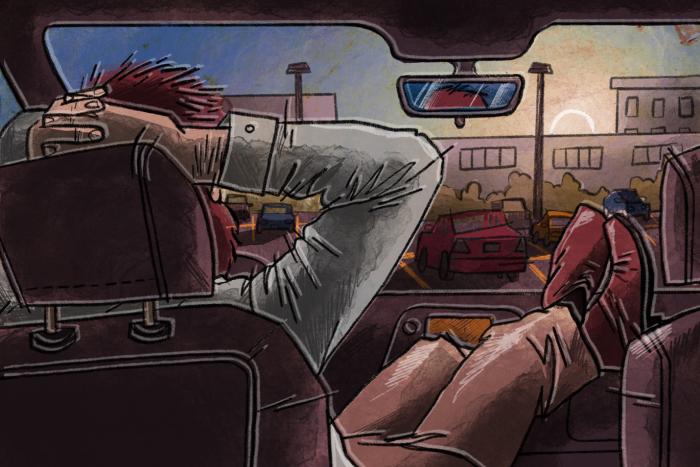
I don’t have a title sitting in the car. There is anonymity in that moment, a complete lack of pressure. I’m just the driver, caught in a free, smooth space between eddies.

When I finally managed to get out of bed and return to my life, I was determined to be an expert on how to grieve. I was going to fuck grief up so hard.

In the aftermath of a video game, I find myself ready to emerge into 2020 afresh, anew, and aglow from a screen of pixels and a well-rested body crusted with mineral.
The days go so fast, you have to steal the nights, and when all the nights slip away, that’s it. I’m not ready.