

Congratulations to all the nominees!
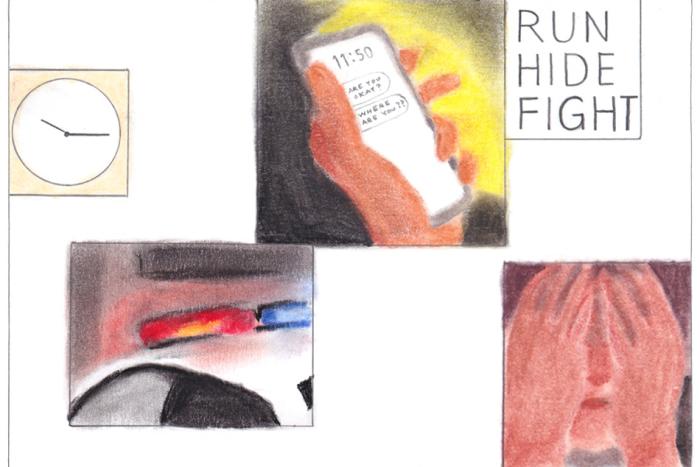
What does a campus shooting feel like?
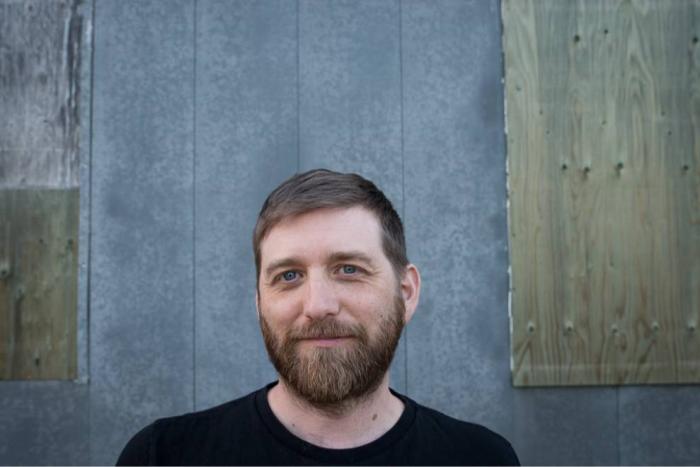
People love John Samson Fellows’s music. He doesn’t want to make it anymore.
Latest
Congratulations to all the nominees!
People love John Samson Fellows’s music. He doesn’t want to make it anymore.

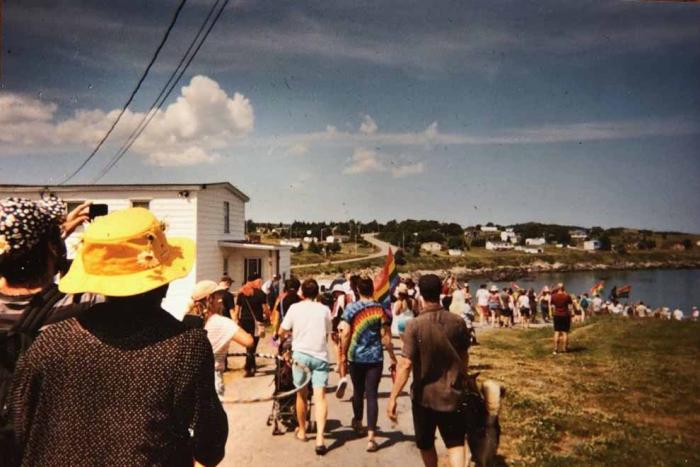
When Wanda bought the house, she didn’t imagine that anyone in the community would recognize that she and Lynn were queer.

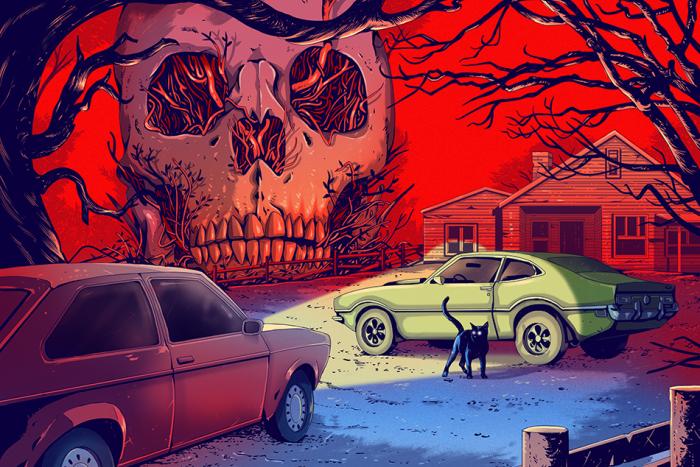
When the Gaias were murdered, Mississippi lost one of the finest guitarists in a generation and a well-loved daughter, sister and friend. Decades later, the slayings still haunt the Delta.

After years of being one of those people who used the term as a derogatory catch-all, I realized that music that falls under the label can, and often does, help me in unexpected ways.
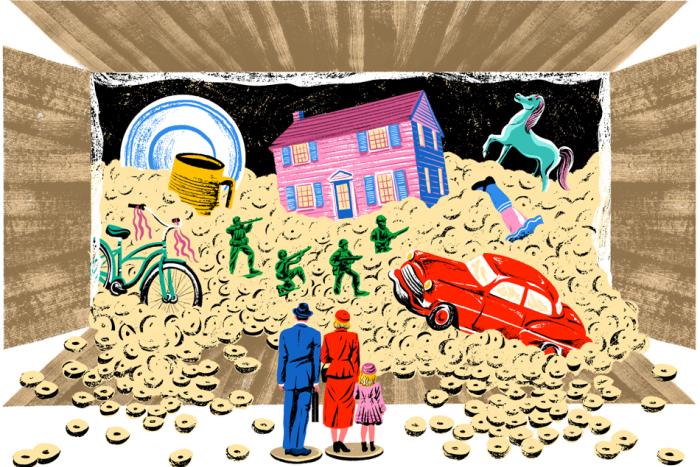
After their peak in the 1980s and 1990s, material premiums have become an increasingly rare advertising tactic.
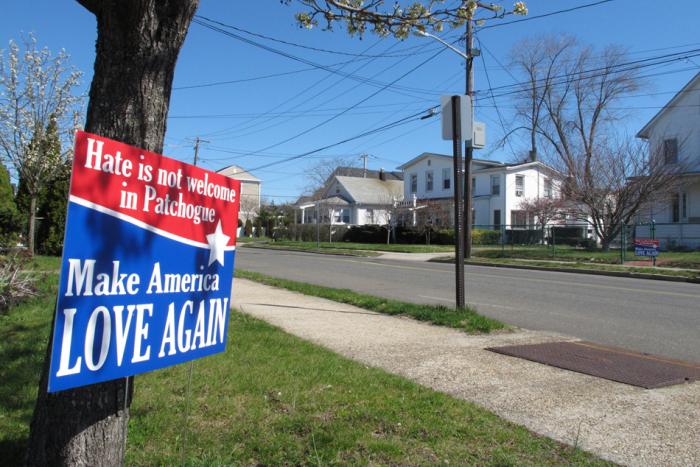
My hometown is famous for a hate crime, and ten years after that murder, it’s not clear much progress has been made.

Searching for empathy with those society deems unforgivable.
Like so many German Jews, my Nana's family was late to leave the country when Hitler came to power. They thought antisemitism was a relic of the past.