

Congratulations to all the nominees!
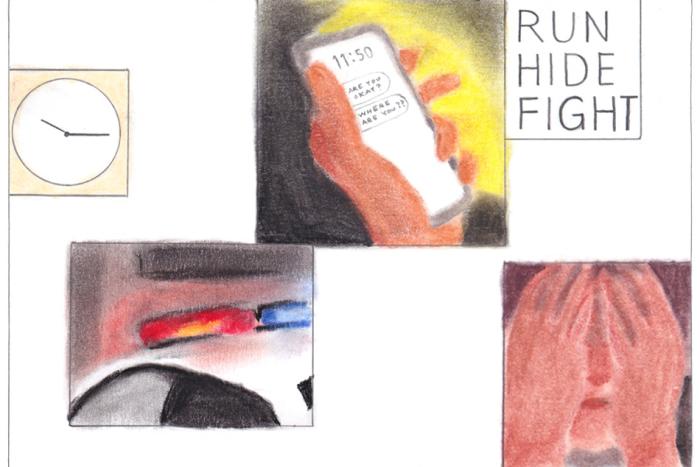
What does a campus shooting feel like?
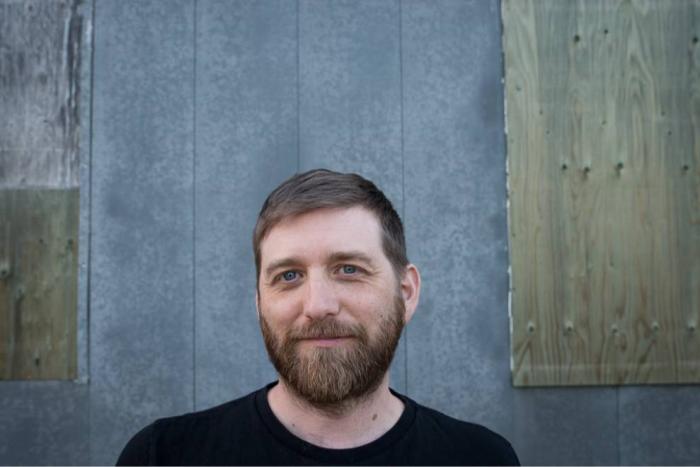
People love John Samson Fellows’s music. He doesn’t want to make it anymore.
Latest
Congratulations to all the nominees!
People love John Samson Fellows’s music. He doesn’t want to make it anymore.

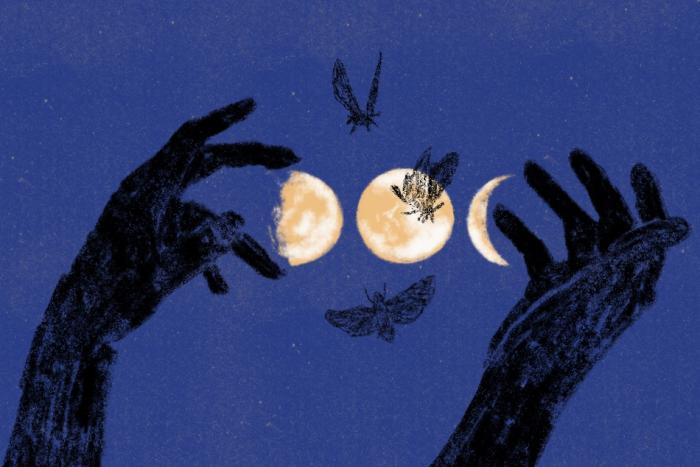
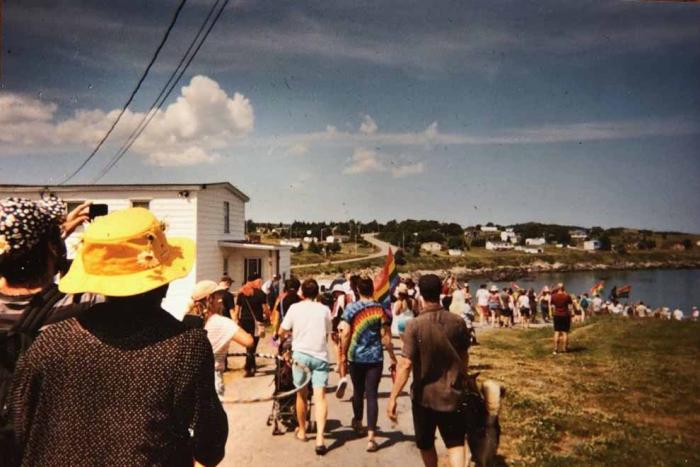
When Wanda bought the house, she didn’t imagine that anyone in the community would recognize that she and Lynn were queer.

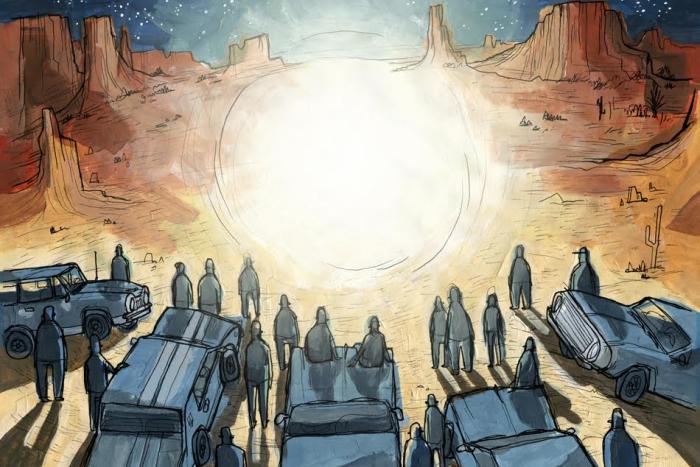
At first, it was just this hazy glow on the horizon, but then it got brighter and took on more of a definite shape. It was almost as if—it’s weird to say it, even now—it was looking for us.
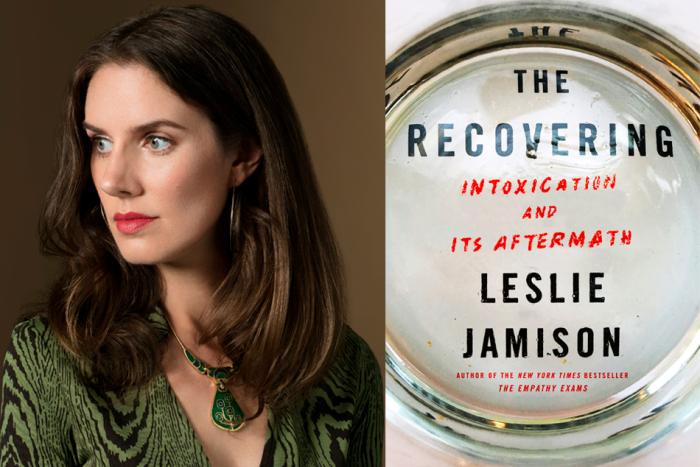
The author of The Recovering on archival addiction narratives, excavating how things get better, and sugar.
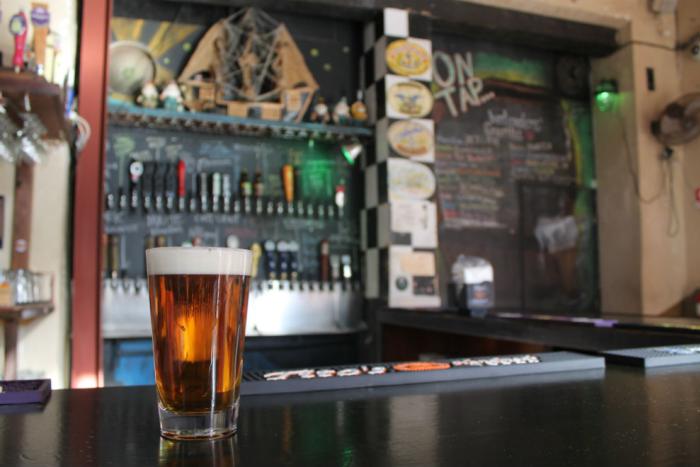
I’d returned to Puerto Rico to drink, yes, but more than that, to see how much—and how little—Hurricane Maria had changed things.

As the actress sped around Rome wearing her makeup from the film Cleopatra, women everywhere embraced a bold look with a complicated history.
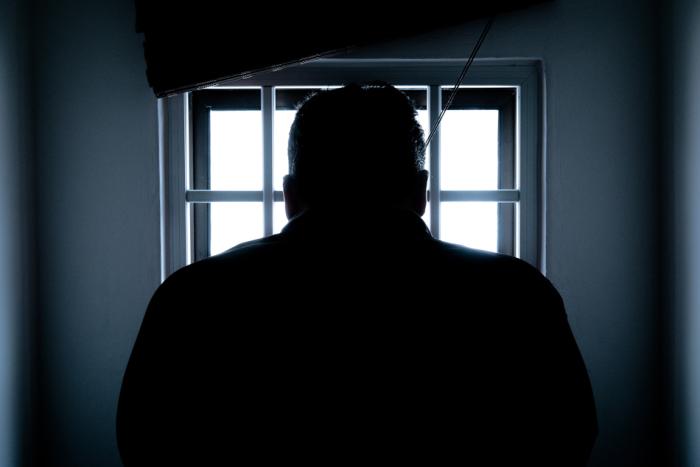
The reality of life in Canadian prisons, while improving, has been stark for many years. One figure, the prison chaplain, strives to humanize what can be a dehumanizing experience.
Children like me, whose parents suffer from mental health issues, often become invisible ourselves.