

Congratulations to all the nominees!
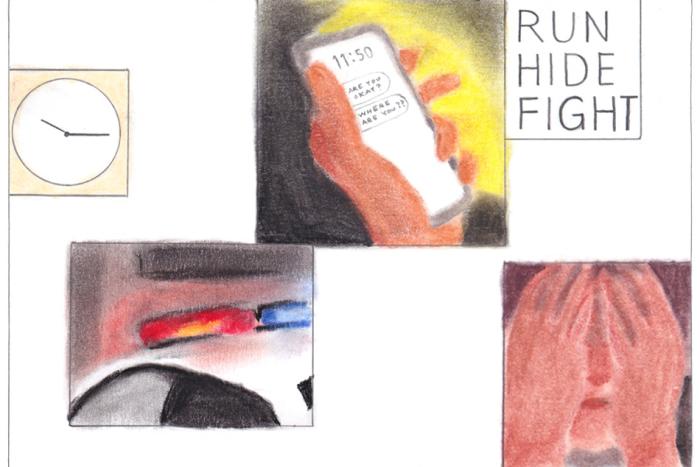
What does a campus shooting feel like?
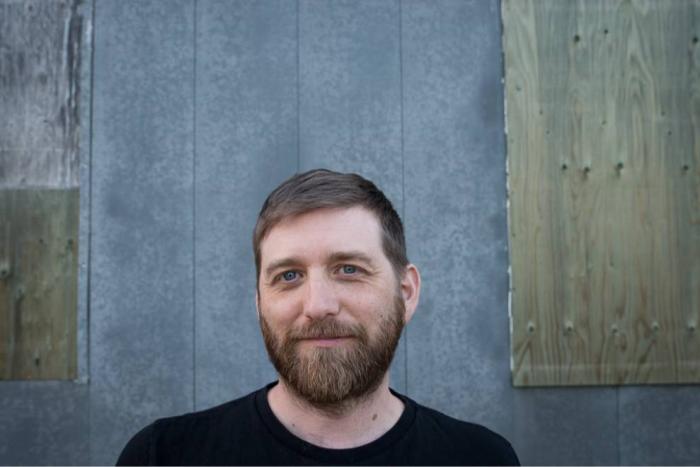
People love John Samson Fellows’s music. He doesn’t want to make it anymore.
Latest
Congratulations to all the nominees!
People love John Samson Fellows’s music. He doesn’t want to make it anymore.
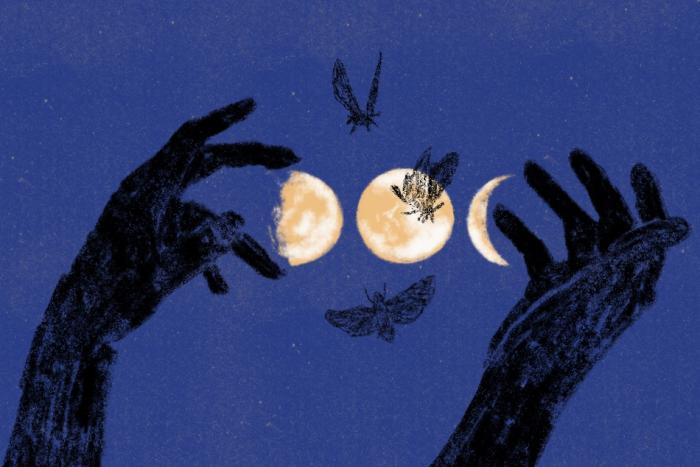
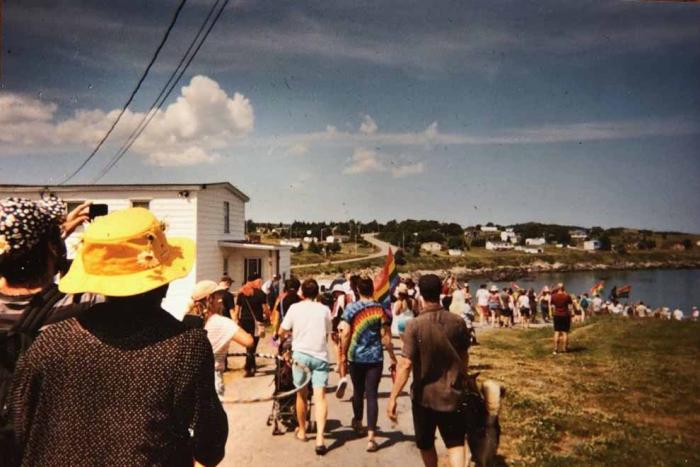
When Wanda bought the house, she didn’t imagine that anyone in the community would recognize that she and Lynn were queer.
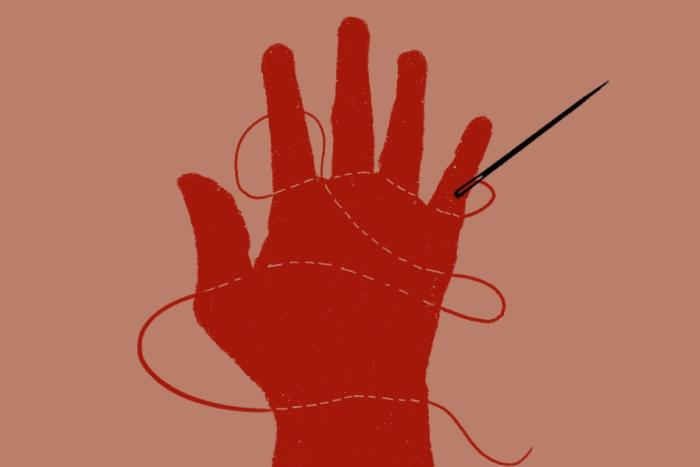


Random was what life did best, Bea thought. It conferred cancer on the virtuous, drunk drivers on the unsuspecting, it matched noble wives to unfinished men, wickedness to wealth, weakness to power.
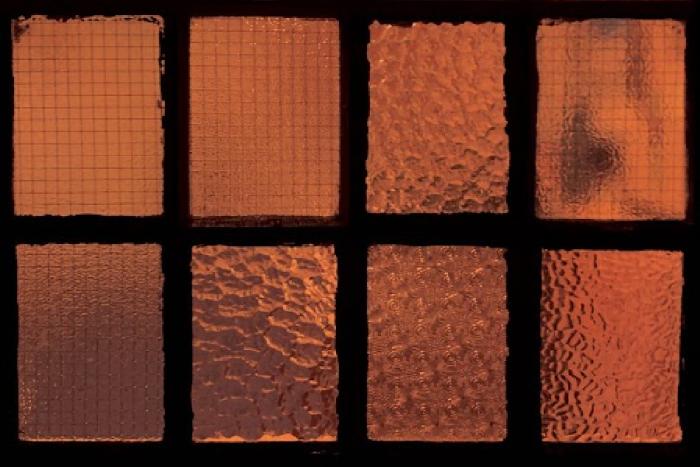
The manager takes me into the back room to explain the company ethos and the role. Each neighborhood store should feel like just that, a neighborhood store, she says, reading from the brochure.
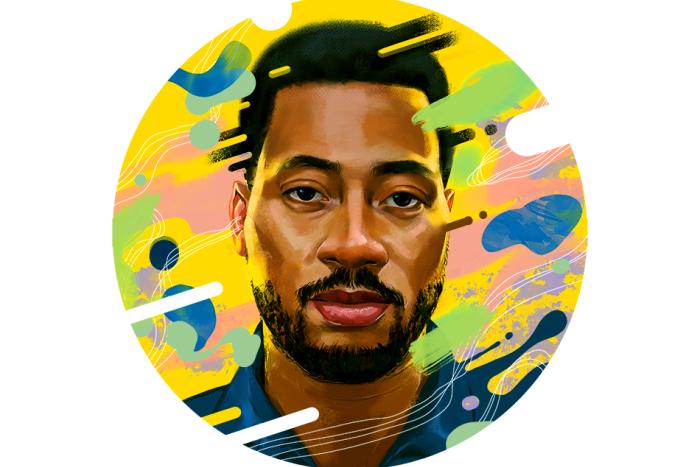
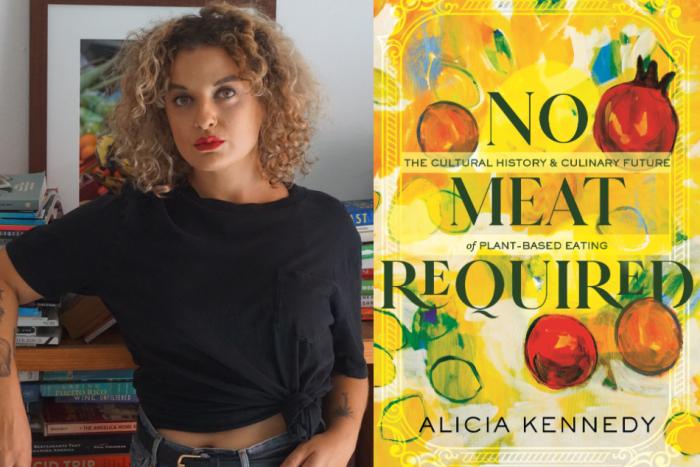
The author of No Meat Required on the politics of veganism, living and eating in Puerto Rico, and the future of subscription lettuce.

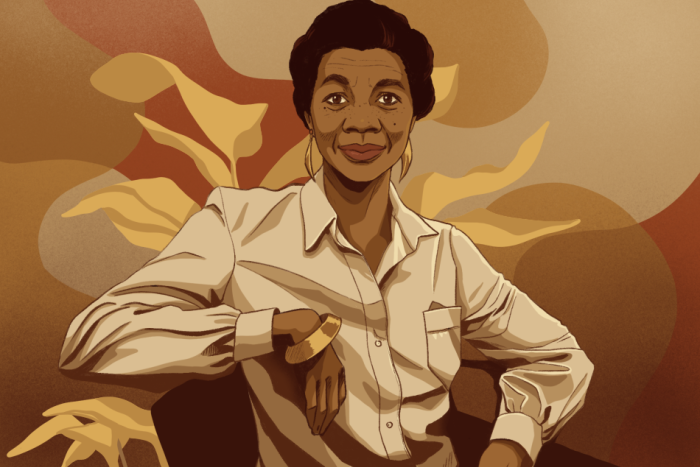
Mary Alice dedicated her career to portraying Black women with depth and nuance. Why were there so few parts in which she could shine?