

Congratulations to all the nominees!
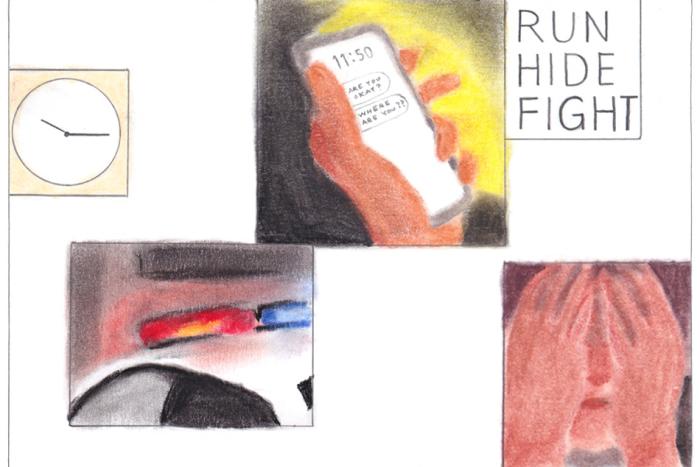
What does a campus shooting feel like?
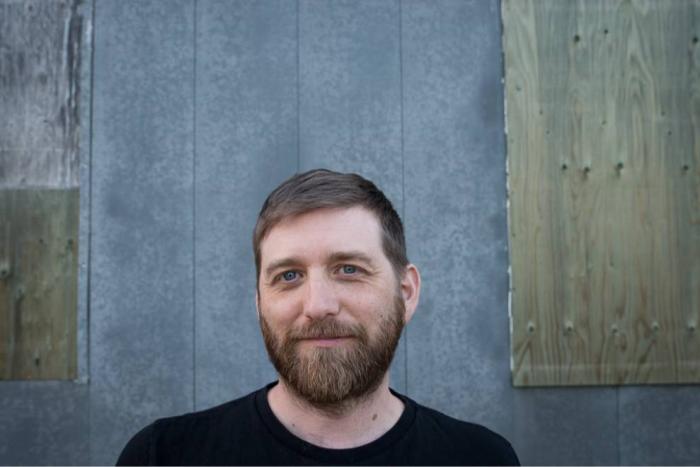
People love John Samson Fellows’s music. He doesn’t want to make it anymore.
Latest
Congratulations to all the nominees!
People love John Samson Fellows’s music. He doesn’t want to make it anymore.

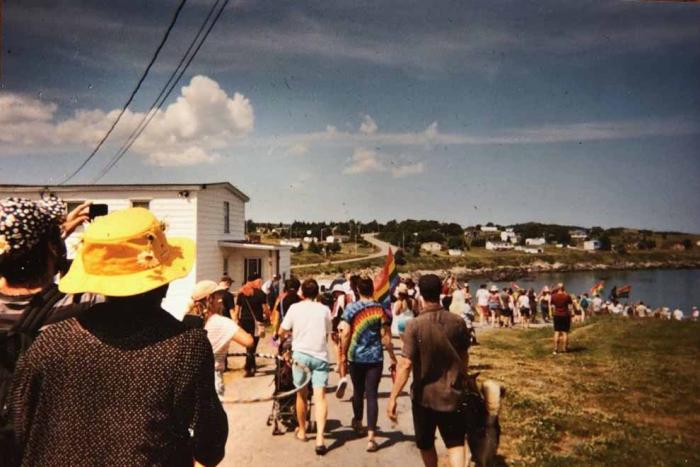
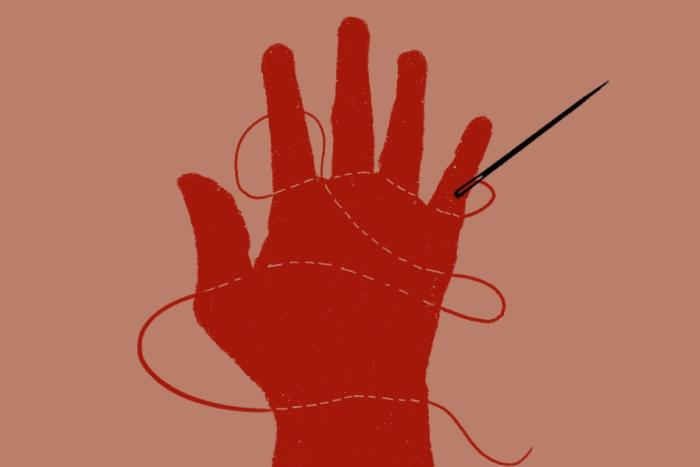
When Wanda bought the house, she didn’t imagine that anyone in the community would recognize that she and Lynn were queer.


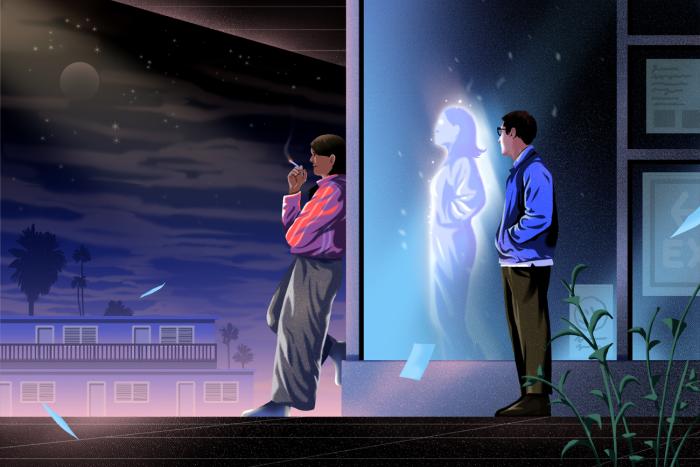
Beck didn’t believe in an afterlife, but he was starting to think that this was what people meant by ghosts. There was something there, he craned his mind toward it: something about ghosts.
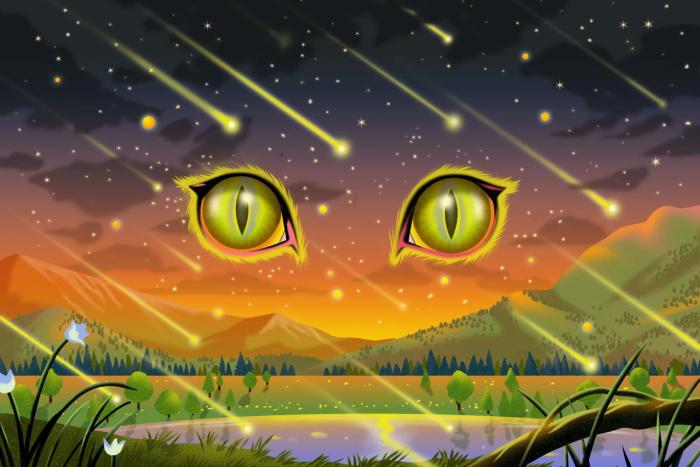
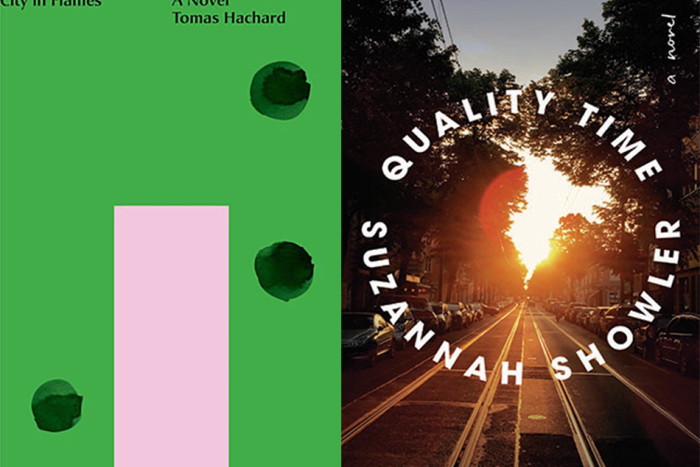
Tomas Hachard (author of City in Flames) and Suzannah Showler (author of Quality Time) on cities as places of invention, real feelings under unreal conditions, and how to reconceptualize adulthood.