Congratulations to all the nominees!
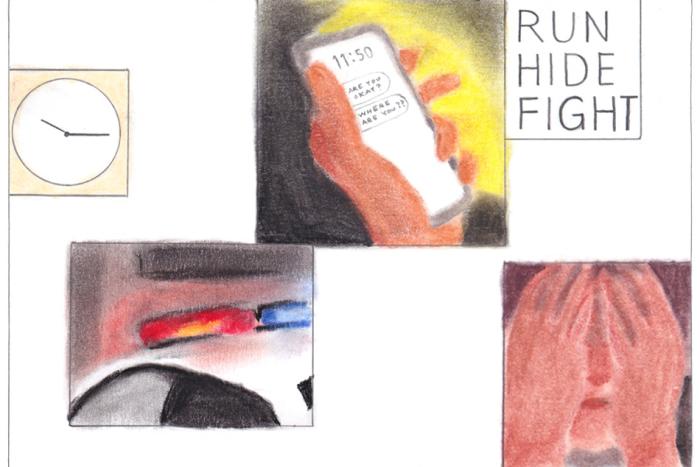
What does a campus shooting feel like?
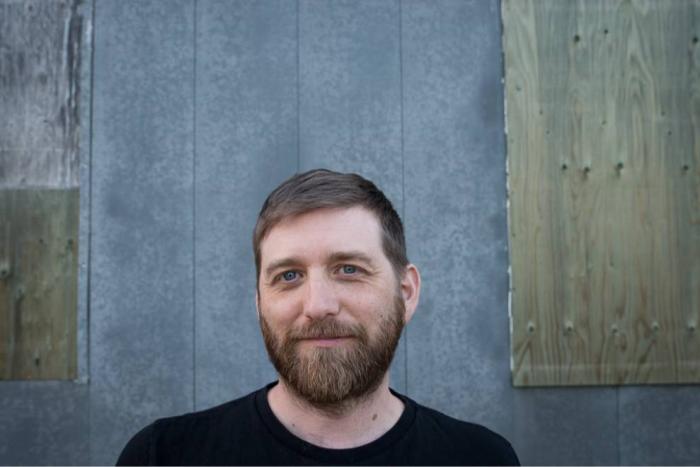
People love John Samson Fellows’s music. He doesn’t want to make it anymore.
Latest
Congratulations to all the nominees!
People love John Samson Fellows’s music. He doesn’t want to make it anymore.

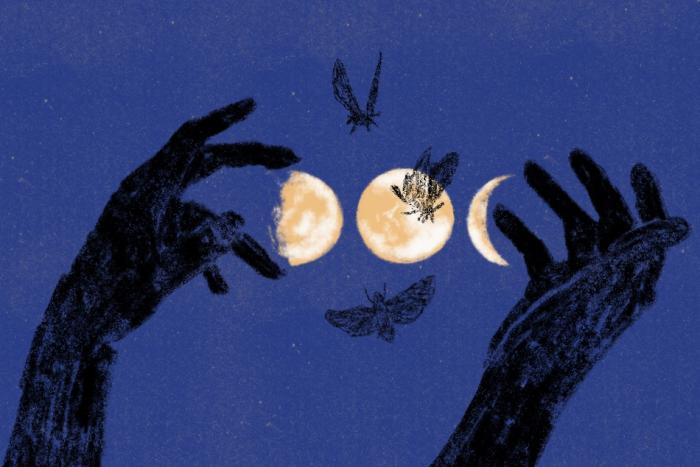

When Wanda bought the house, she didn’t imagine that anyone in the community would recognize that she and Lynn were queer.
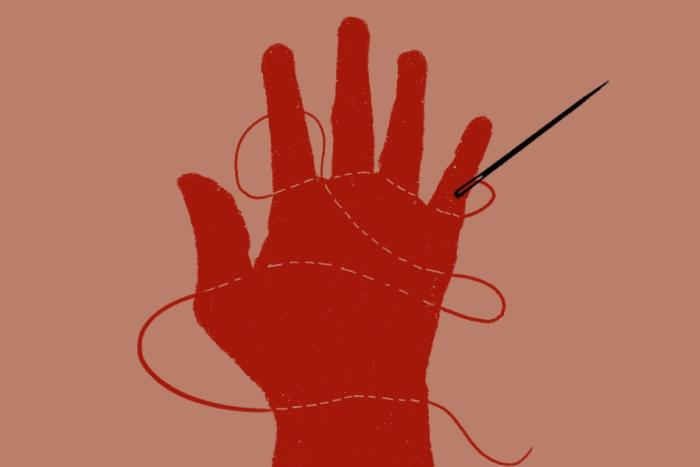

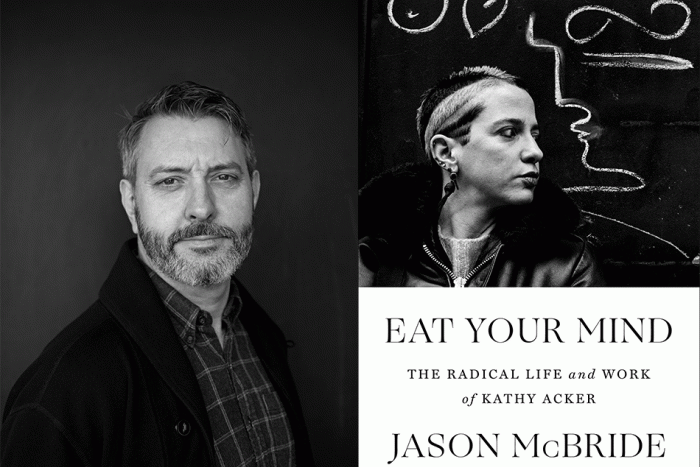
The author of Eat Your Mind, the first full-scale authorized biography of Kathy Acker, on renewed relevance and creative capaciousness.

Will there ever be a filmmaker more adamant about emulating the literary canon?

John Irving on trans heroes, the nature of ghosts, and a career as a worst-case scenario guy.

The author of The Tiger and the Cage on writing about her hysterectomy, the absurdities of medical metaphor, and the illness narratives that liberate and limit us.