

Congratulations to all the nominees!
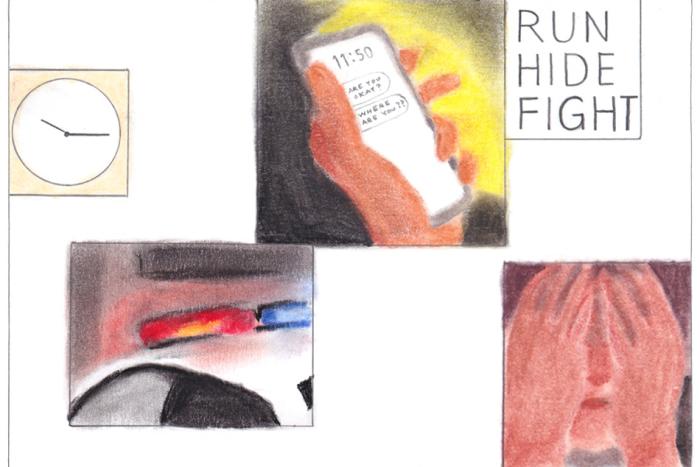
What does a campus shooting feel like?
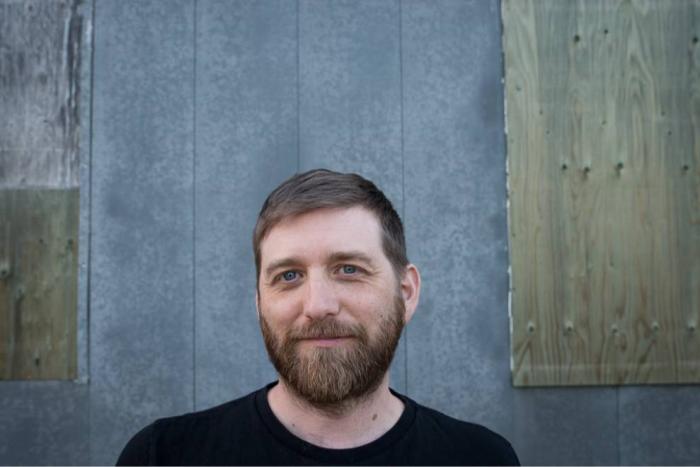
People love John Samson Fellows’s music. He doesn’t want to make it anymore.
Latest
Congratulations to all the nominees!
People love John Samson Fellows’s music. He doesn’t want to make it anymore.
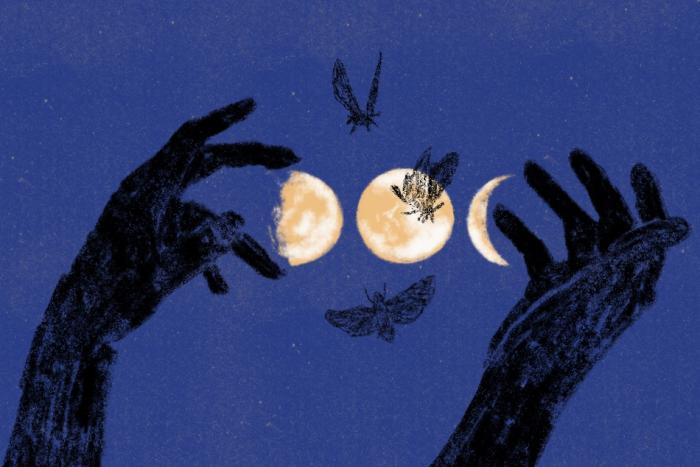
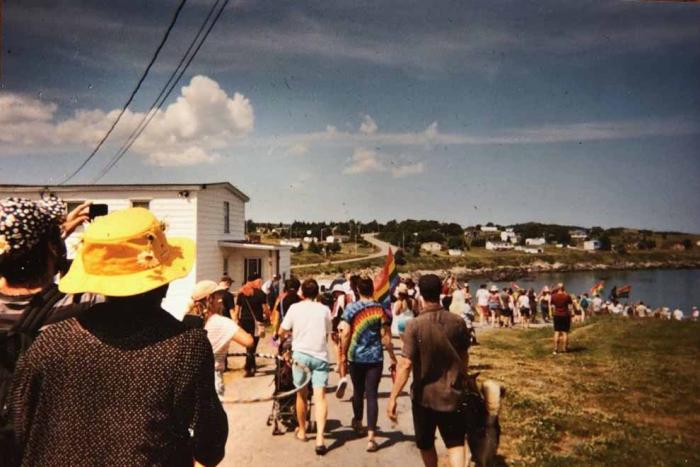
When Wanda bought the house, she didn’t imagine that anyone in the community would recognize that she and Lynn were queer.

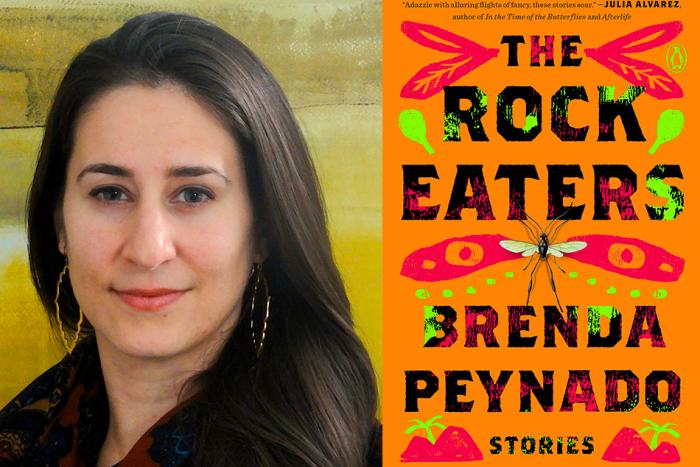
Talking to the author of The Rock Eaters about organizing a short story collection, lingering in the complexity of a question, and the inevitably of sorrow (and, hopefully, beauty).
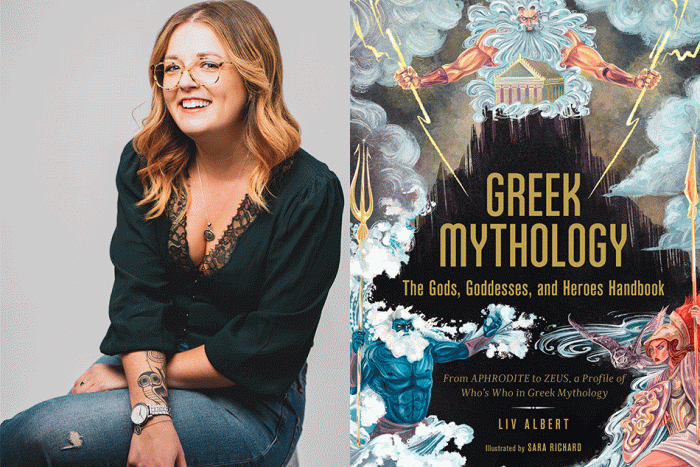
Talking to the author of Greek Mythology: The Gods, Goddesses, and Heroes Handbook about feminist translations of The Odyssey, the whitewashing of ancient Greece, and the link between white supremacy and classics.
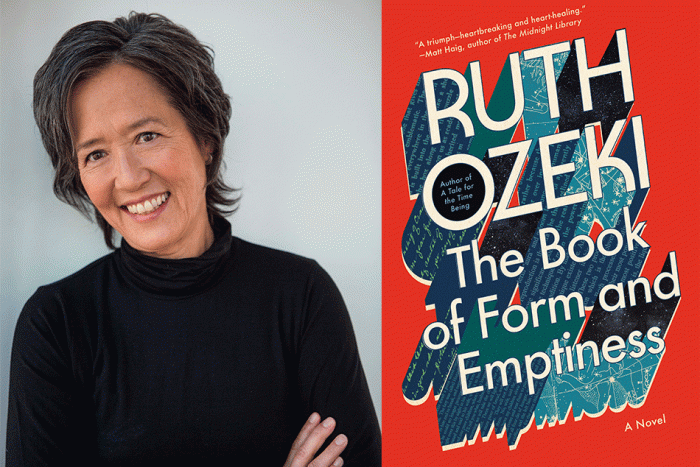
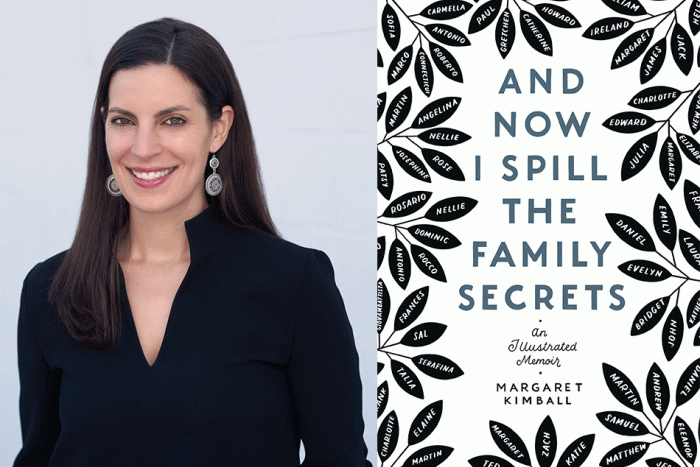
The author of And Now I Spill the Family Secrets on contradictory memories, record-keeping, and ways to articulate grief.
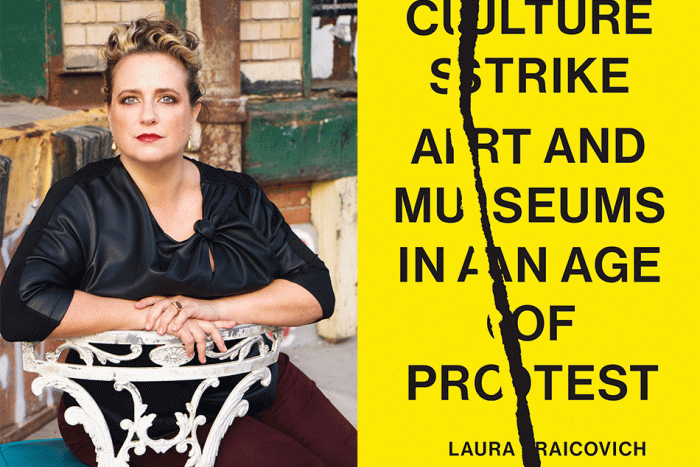
The author of Culture Strike: Art and Museums in an Age of Protest on the myth of neutrality, collective culture, amd museums’ responsibility.