Congratulations to all the nominees!
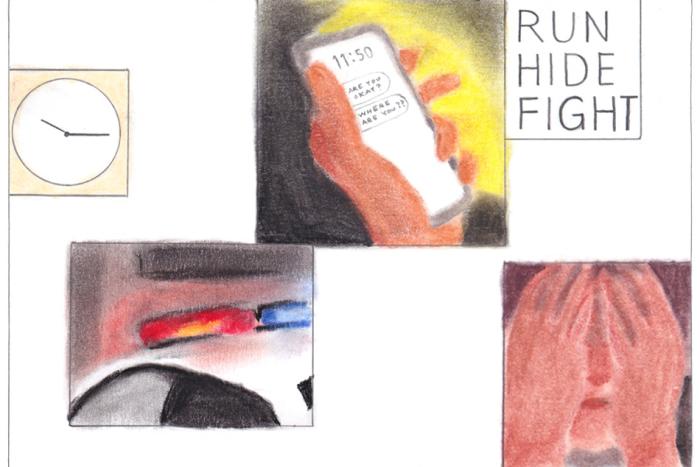
What does a campus shooting feel like?
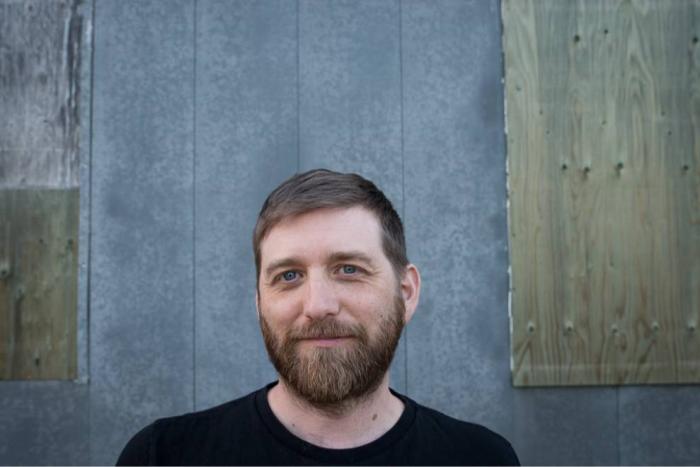
People love John Samson Fellows’s music. He doesn’t want to make it anymore.
Latest
Congratulations to all the nominees!
People love John Samson Fellows’s music. He doesn’t want to make it anymore.

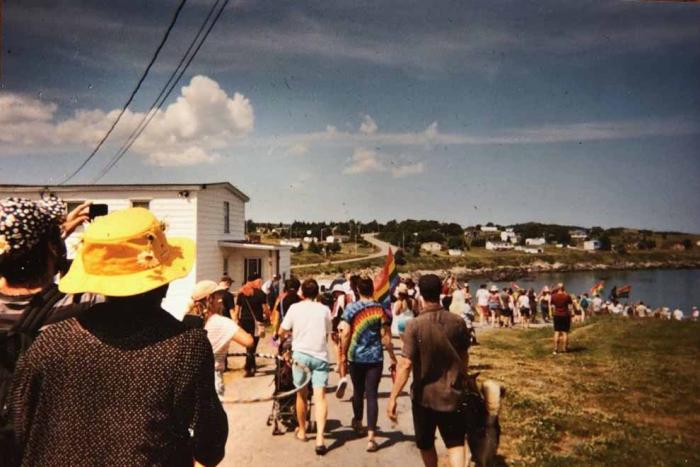
When Wanda bought the house, she didn’t imagine that anyone in the community would recognize that she and Lynn were queer.

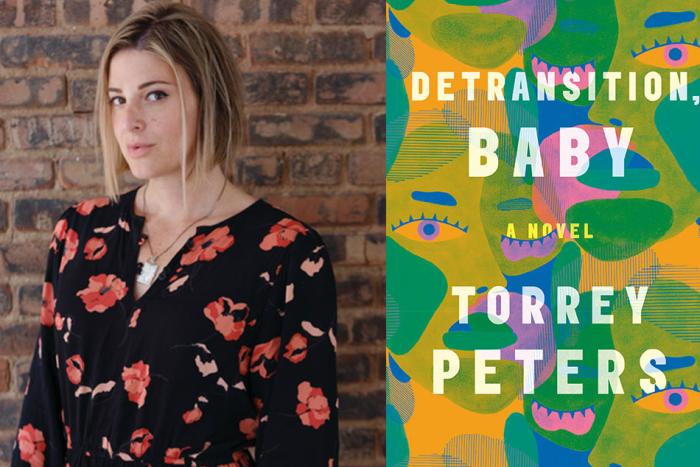
The author of Detransition, Baby on a trans worldview, resisting investing in illusions, and novellas-as-conversation.
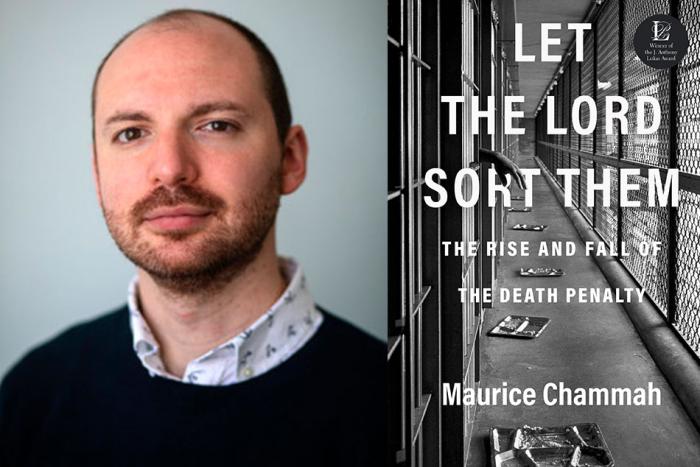
The author of Let the Lord Sort Them on the death penalty, Texas mythology, and retribution as organizing principle.
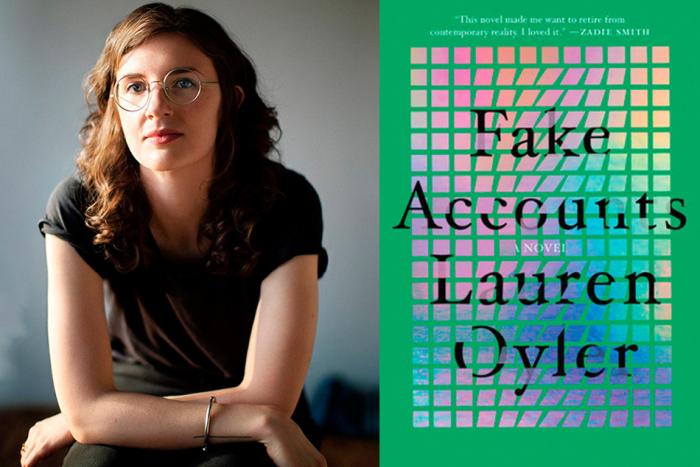
Talking to the author of Fake Accounts about writing for magazines versus writing a novel, leaning too heavily on structural devices in fiction, and books that could use more sentences.

Overheard intimacy pulls the listener into its orbit, insinuating complicity where there is none.
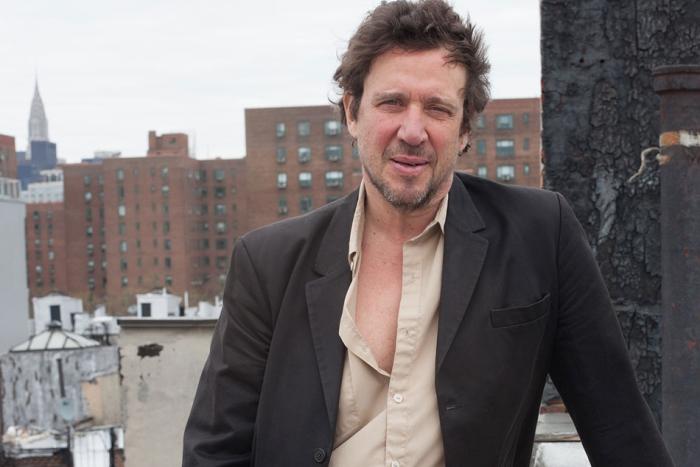
The musician, writer, and actor on revision, truth, and liking books more than people.