

Congratulations to all the nominees!
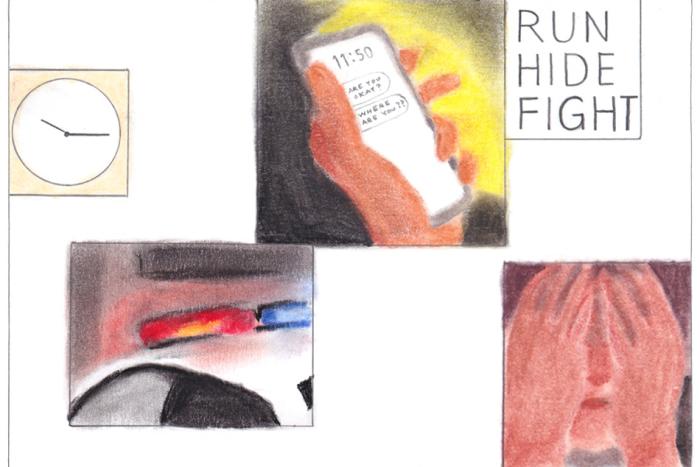
What does a campus shooting feel like?
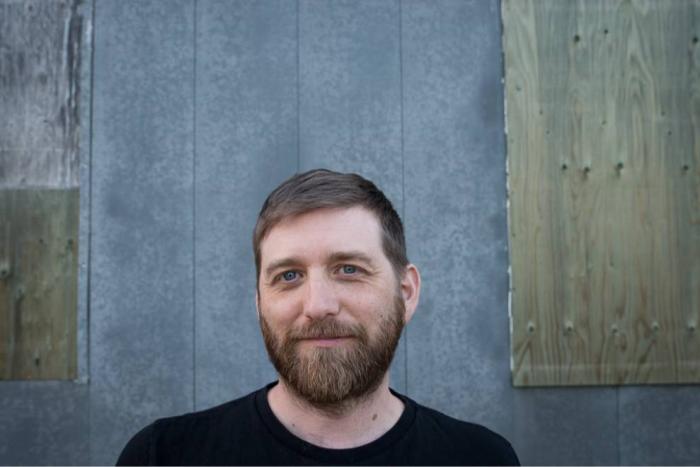
People love John Samson Fellows’s music. He doesn’t want to make it anymore.
Latest
Congratulations to all the nominees!
People love John Samson Fellows’s music. He doesn’t want to make it anymore.
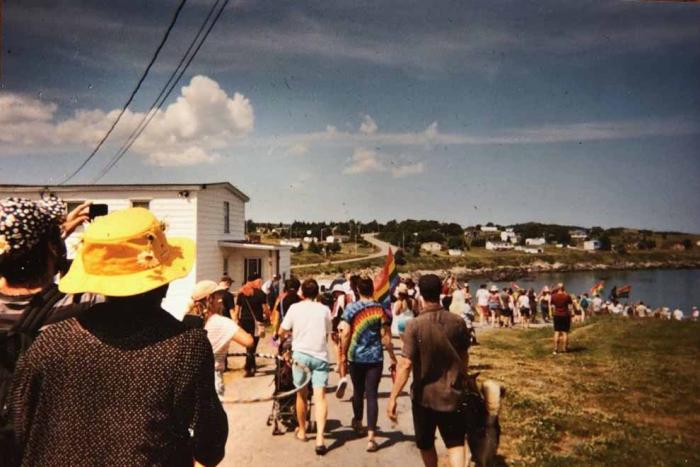
When Wanda bought the house, she didn’t imagine that anyone in the community would recognize that she and Lynn were queer.

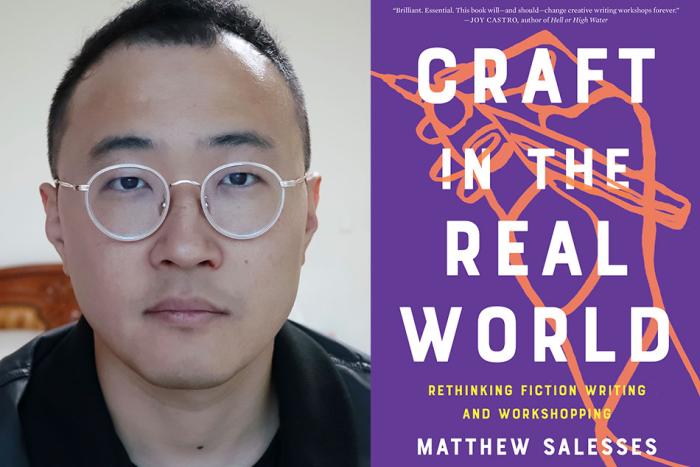
The author of Craft in the Real World on revision, breaking habits, and fixing the writing workshop.

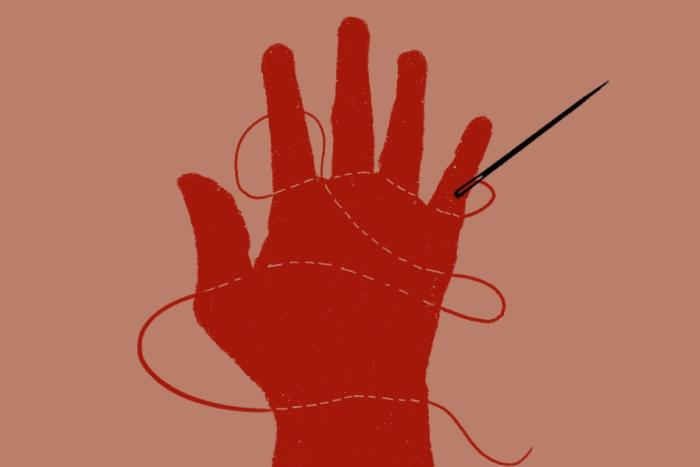
After my wedding, I began looking for a language for the partnership, both metaphorical and actual, I seemed to have contracted.
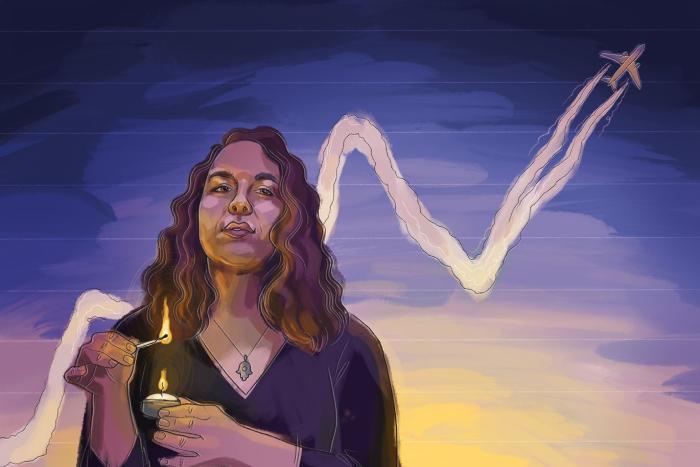
This year, every day I spent in isolation was in preparation for the days when I could join others in something bigger than ourselves.
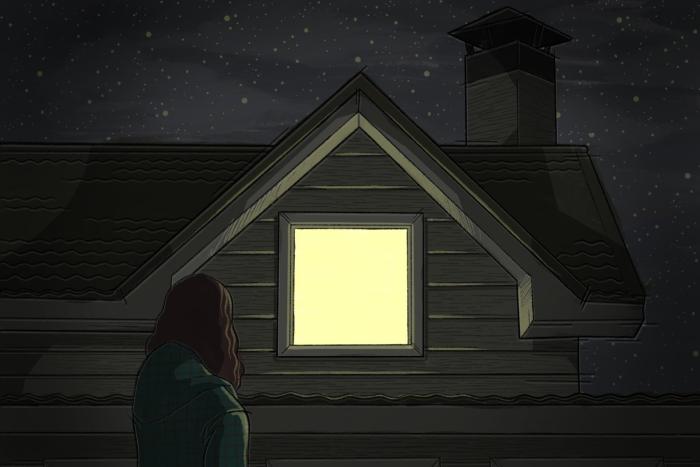
There is something exciting about anticipating a space before it is inevitably interfered with by a human—what might also be called living.
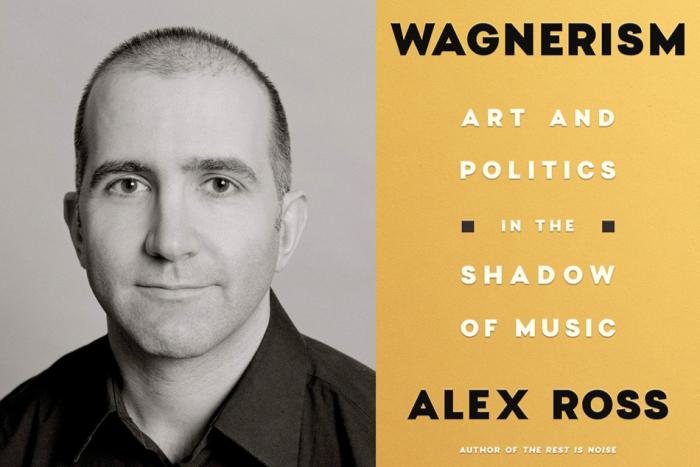
Talking to the author of Wagnerism about uncovering counter-narratives, keeping a healthy skepticism of your relationship with art, and totalitarian intolerance of eccentric creativity.
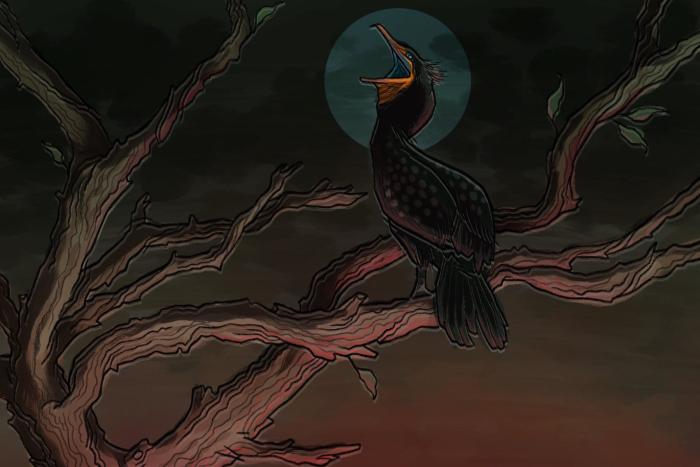
Despair too is contagious. We share it as we shed a spore.