

Congratulations to all the nominees!
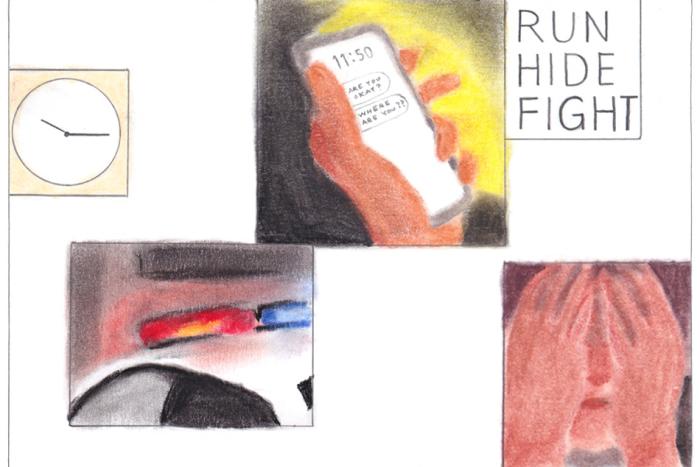
What does a campus shooting feel like?
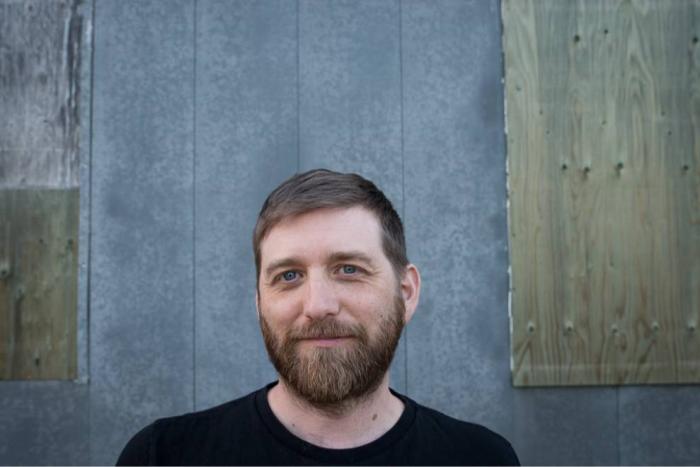
People love John Samson Fellows’s music. He doesn’t want to make it anymore.
Latest
Congratulations to all the nominees!
People love John Samson Fellows’s music. He doesn’t want to make it anymore.

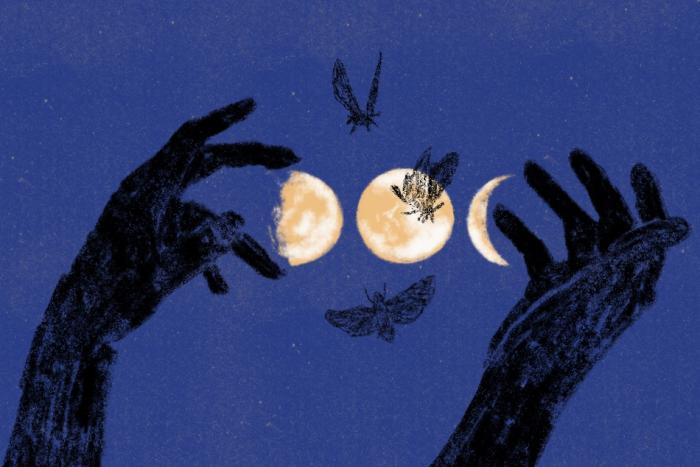
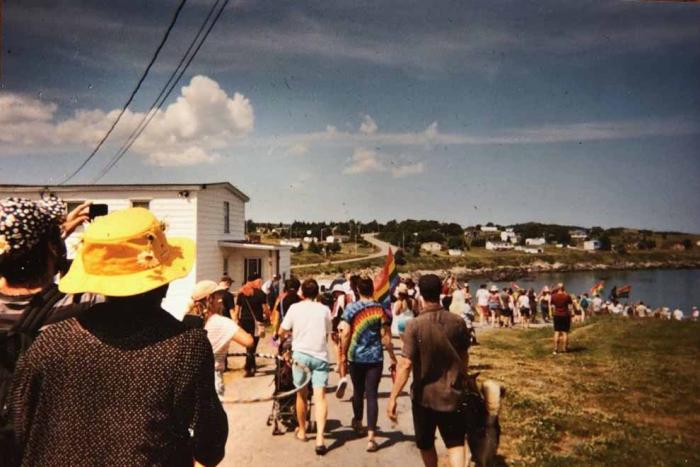
When Wanda bought the house, she didn’t imagine that anyone in the community would recognize that she and Lynn were queer.
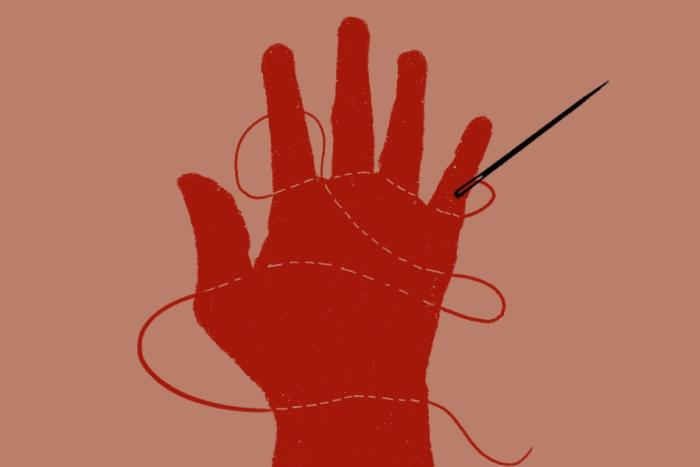


The author of Uncanny Valley on becoming the perfect consumer, digital surveillance, and why Mark Zuckerberg doesn't matter.

Talking to the author of Consider This about "dangerous writing," testing your story-telling instincts for emotional responses, and finding laughs in transcendent tragedy.
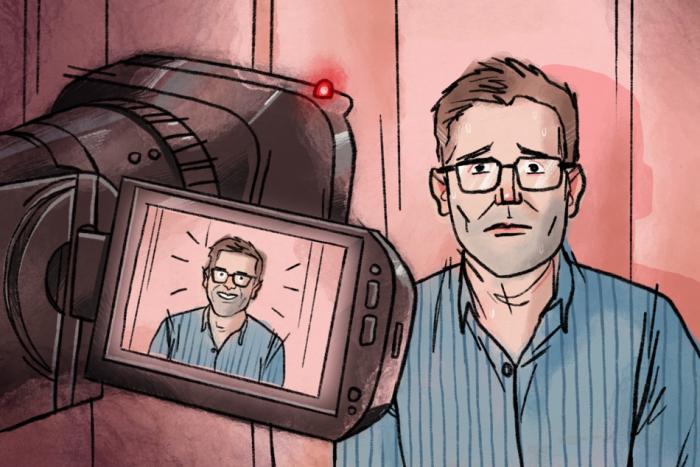
There’s only ever so much you can control at any job. You make the things you make as good as you can, at which point they are not really yours anymore, or anyway not yours to control.
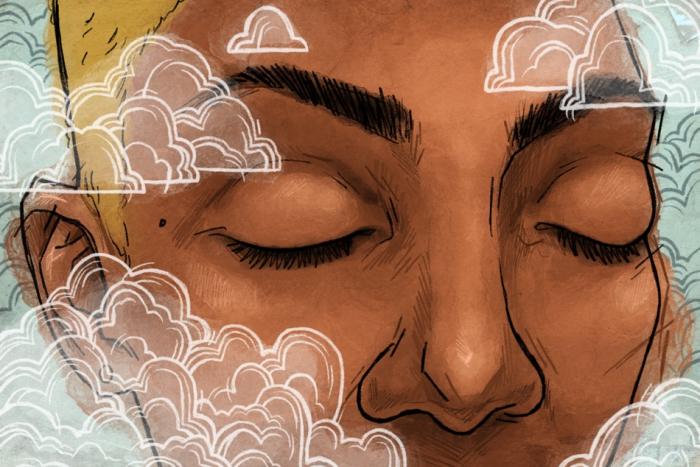
Cool always seemed like a place of safety, a protective modality, a way to move through the world while needing nothing. But cool, I learned, may have been killing me.
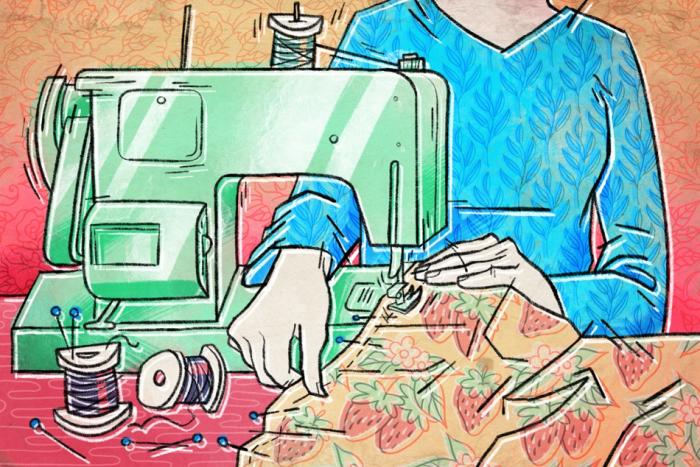
Threading a needle is a momentary sideline from a feeling that might otherwise darken me completely. That can be enough, and as a new decade approaches, I find peace in enough.
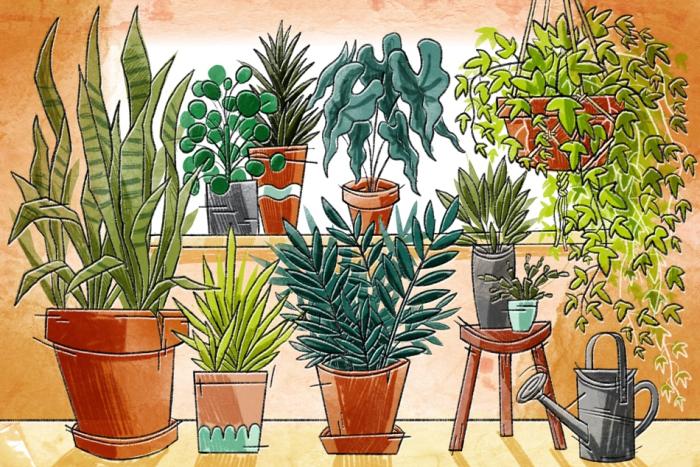
Taking care of living things is a science of intuition—I had no guarantee that my choices would be more helpful than harmful.