

Congratulations to all the nominees!
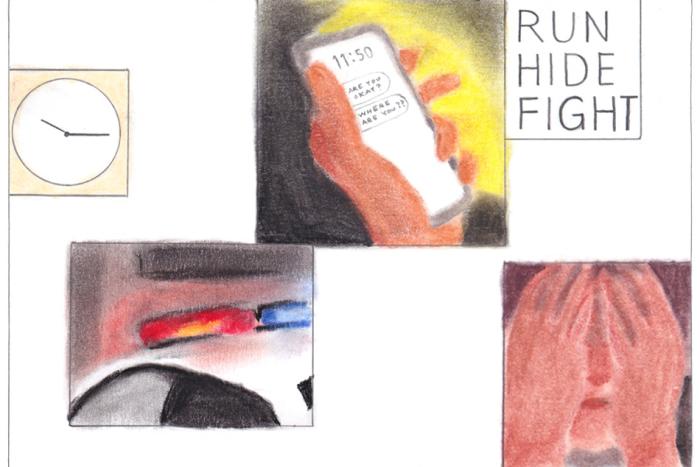
What does a campus shooting feel like?
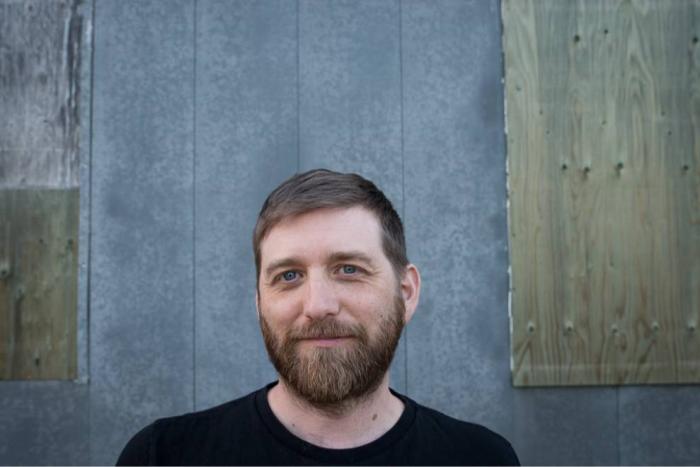
People love John Samson Fellows’s music. He doesn’t want to make it anymore.
Latest
Congratulations to all the nominees!
People love John Samson Fellows’s music. He doesn’t want to make it anymore.

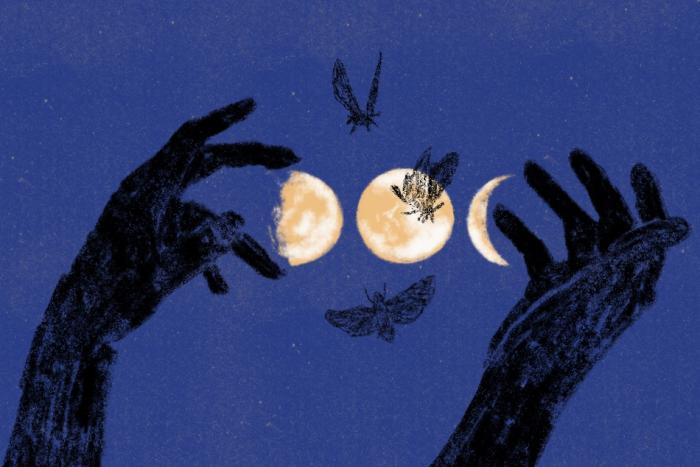
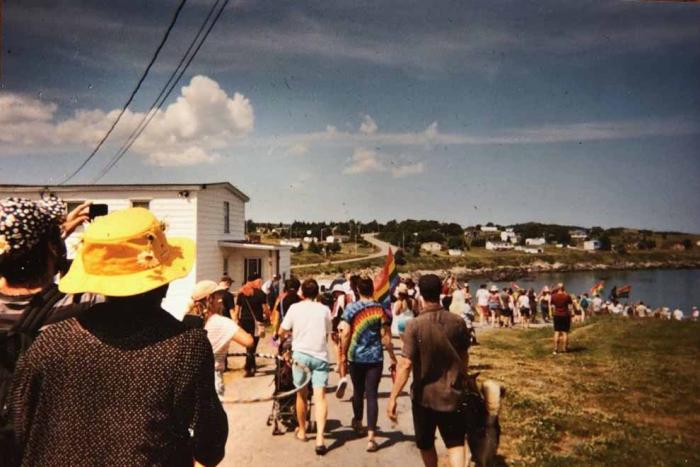
When Wanda bought the house, she didn’t imagine that anyone in the community would recognize that she and Lynn were queer.

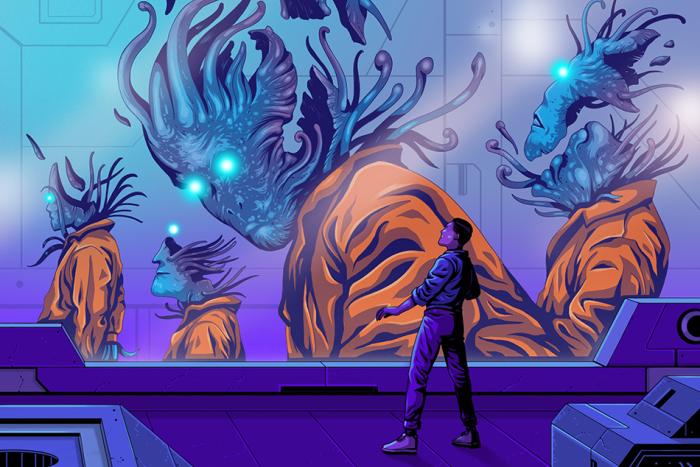
I am now one of a small number of people to have actually seen The Four in the flesh. Well, not quite the flesh.
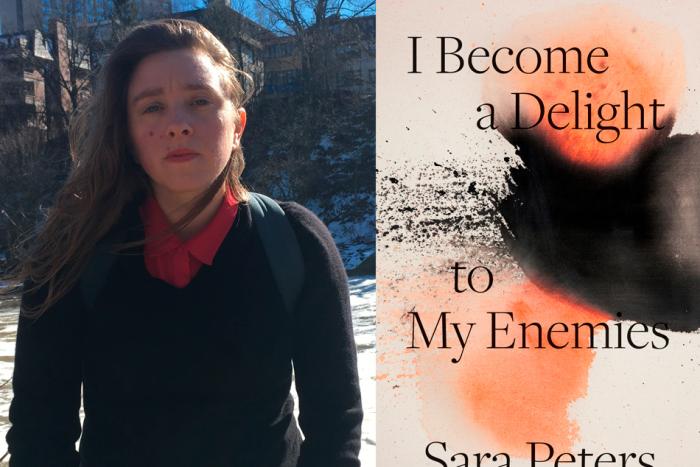
Talking to the author of I Become a Delight to My Enemies about writing as a natural act (or not) that fixes your life (or doesn't), humour as a balm, and the power of shame.
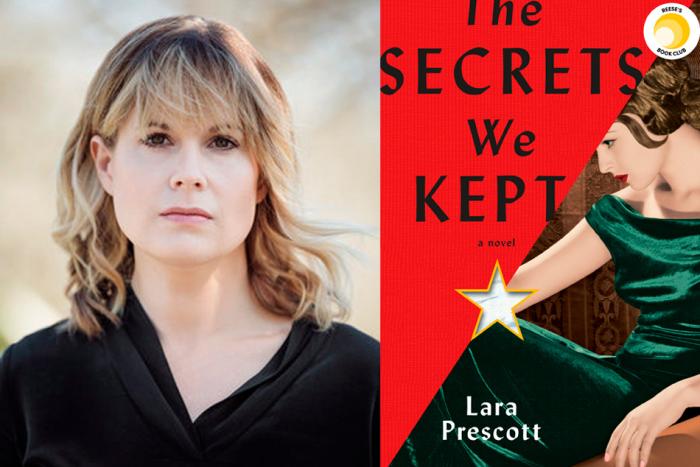
The author of The Secrets We Kept on Doctor Zhivago, the Lavender Scare, and book burning.
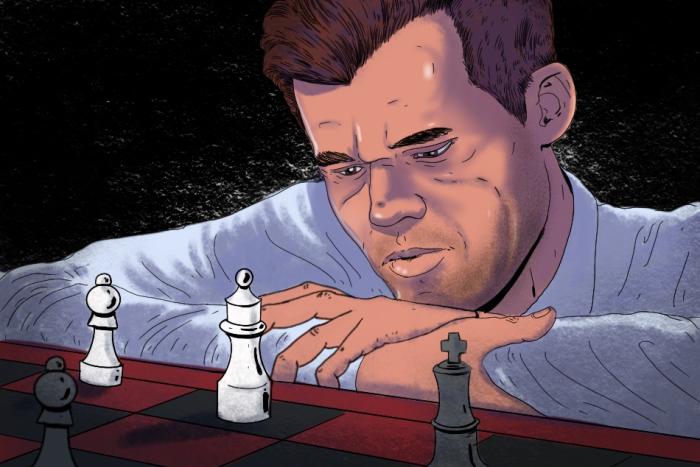
A record of my failure to understand the world's greatest living chess player.
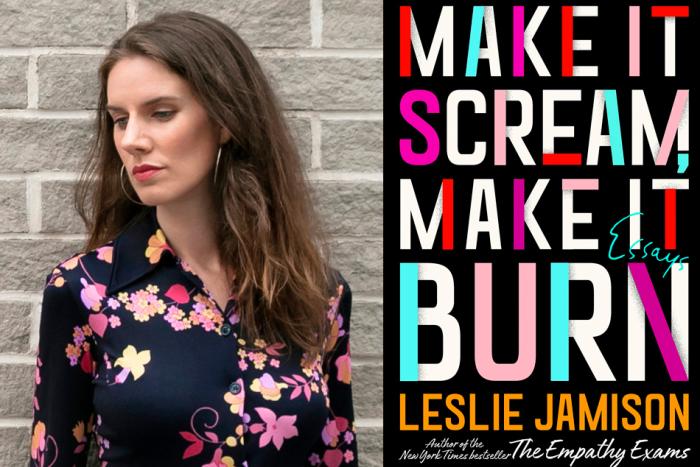
The author of Make It Scream, Make It Burn on being skeptical of skepticism and championing the ordinary.