

Congratulations to all the nominees!
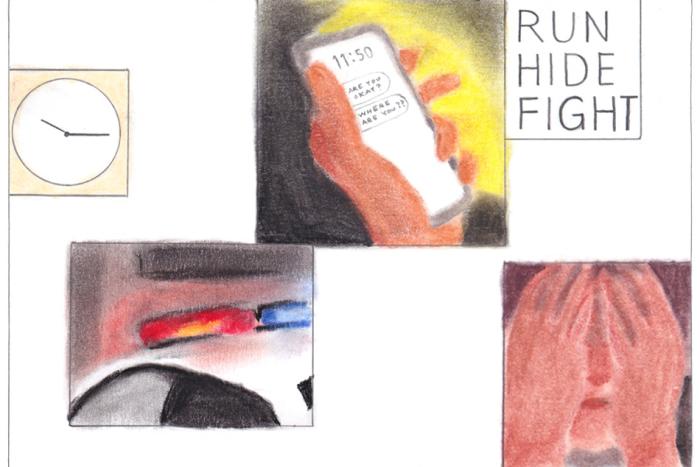
What does a campus shooting feel like?
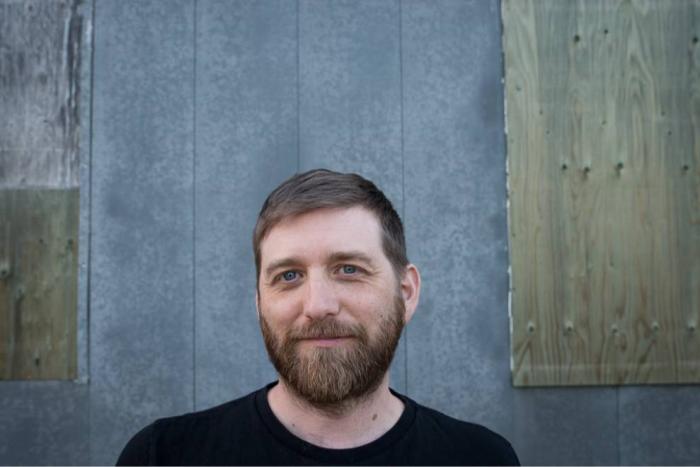
People love John Samson Fellows’s music. He doesn’t want to make it anymore.
Latest
Congratulations to all the nominees!
People love John Samson Fellows’s music. He doesn’t want to make it anymore.

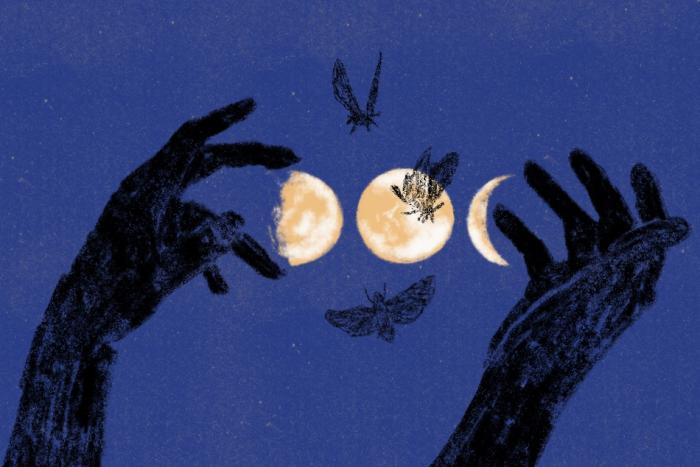
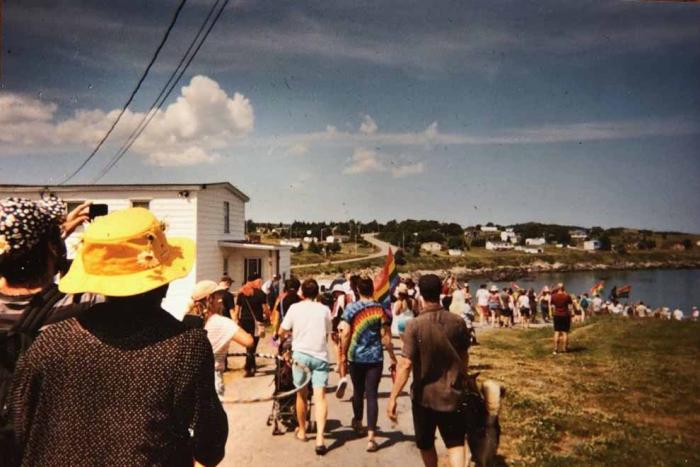
When Wanda bought the house, she didn’t imagine that anyone in the community would recognize that she and Lynn were queer.
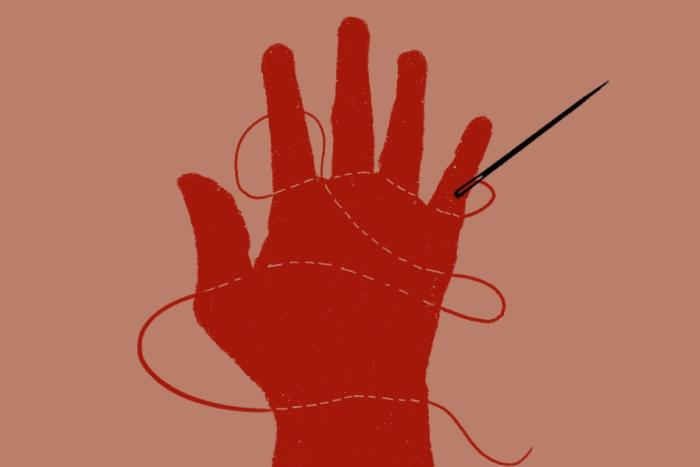

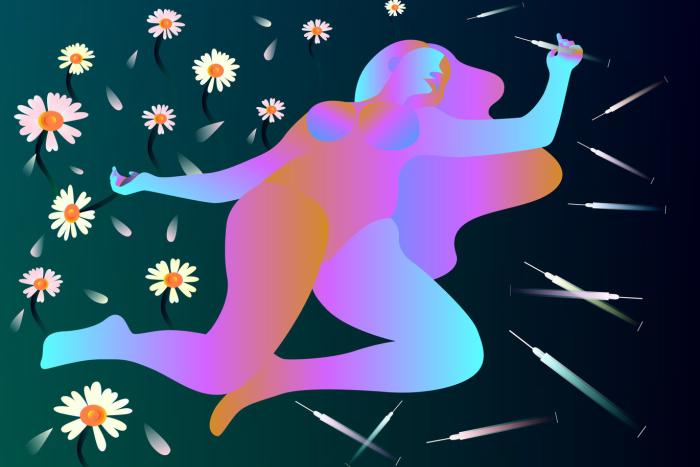
Driving an ambulance in an opioid-torn city in the age of Narcan.

This summer, I assigned myself the task of swimming home, moving through the neighborhoods and communities that, side by side, would bring me back to myself.
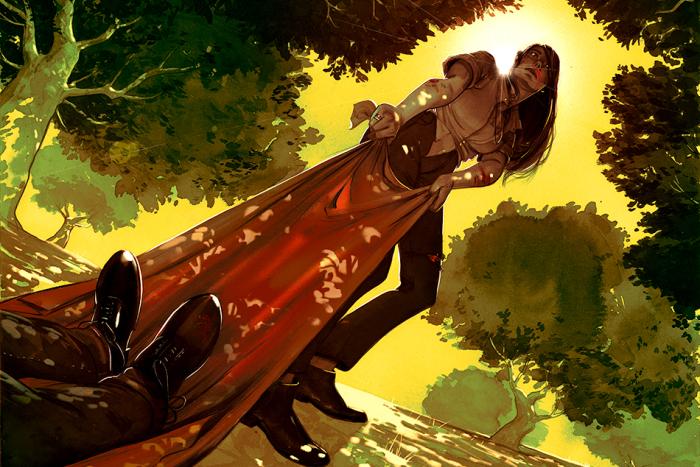
They had only been married a year and she knew with absolute certainty that his mother would blame her for this.

After years of whispers in her Polish community, Anna finally learned the truth about her father. And then she decided to go to Sri Lanka to find him.
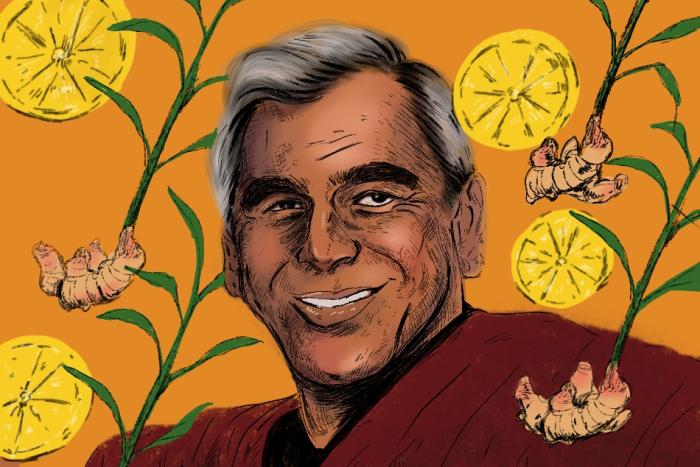
The late film producer's cookbooks reveal a subtle, coded queer sensibility.

The author of Screen Tests on allowing for randomness, accusations of naïvety, and productive nap times.