

Congratulations to all the nominees!
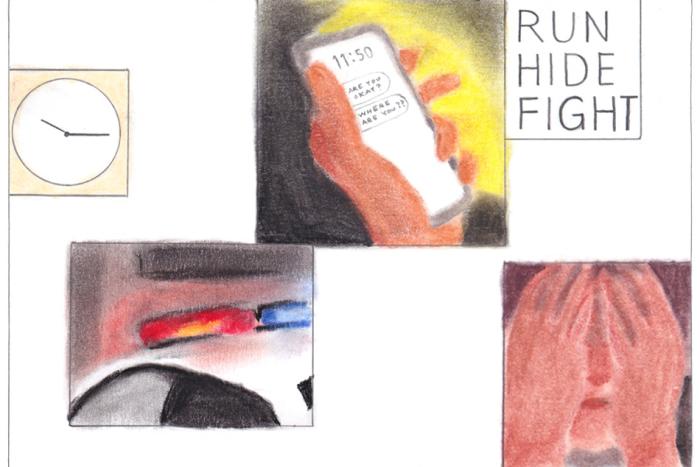
What does a campus shooting feel like?
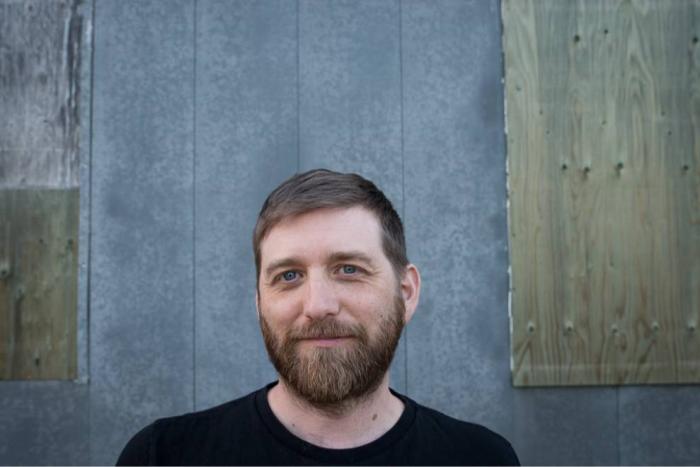
People love John Samson Fellows’s music. He doesn’t want to make it anymore.
Latest
Congratulations to all the nominees!
People love John Samson Fellows’s music. He doesn’t want to make it anymore.

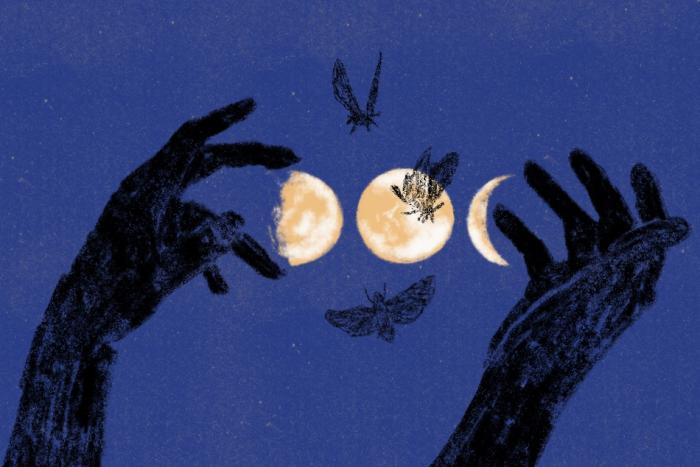
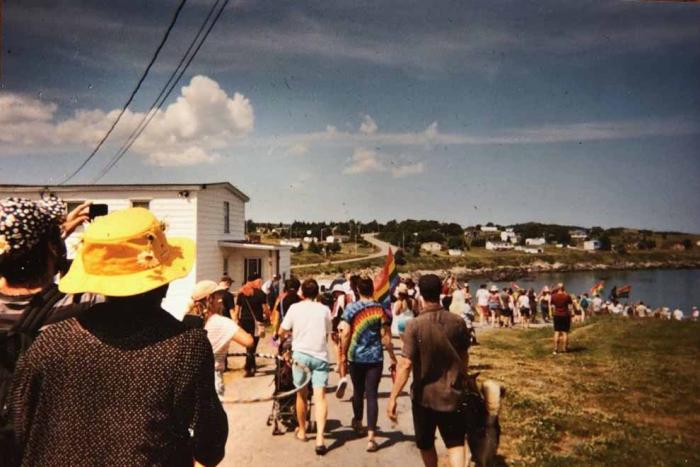
When Wanda bought the house, she didn’t imagine that anyone in the community would recognize that she and Lynn were queer.

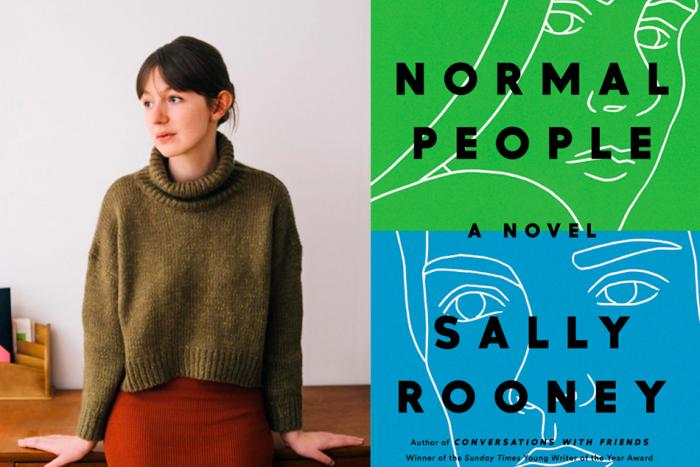
Talking to the author of Normal People about writing about mental health, whether books can critique the capitalist systems for which they're turning a profit, and the perils of readings.
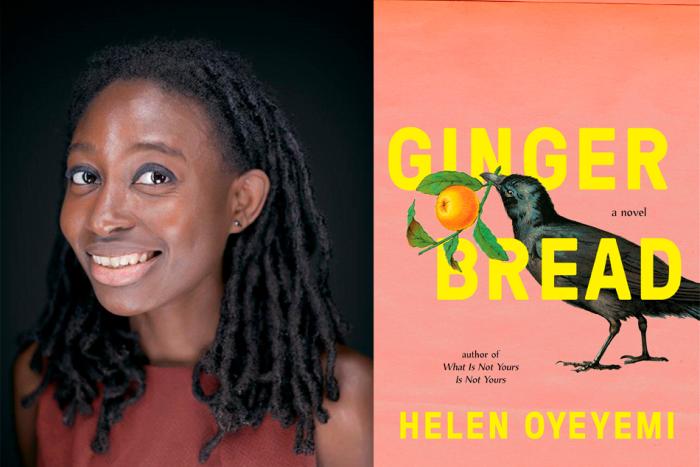
The author of Gingerbread on K-Dramas, travelling, and coded stories.
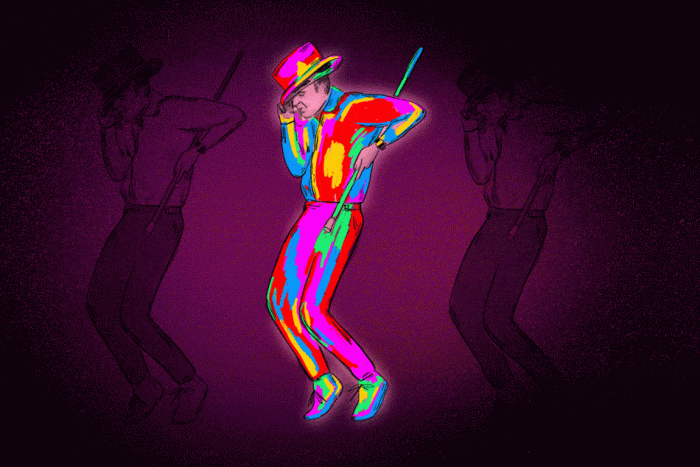
Bob Fosse's current revival makes sense, but the wave of appreciation will also be a reckoning: moral immunity has been rescinded for geniuses.

Over the centuries, the mountains moved. Our inner landscapes shifted to accommodate new forms of beauty, old forms of worship.

The author of Black Leopard, Red Wolf on the intellectual responsibilities of the reader, Die Hard and Vin Diesel, and gay action heroes.