

Congratulations to all the nominees!
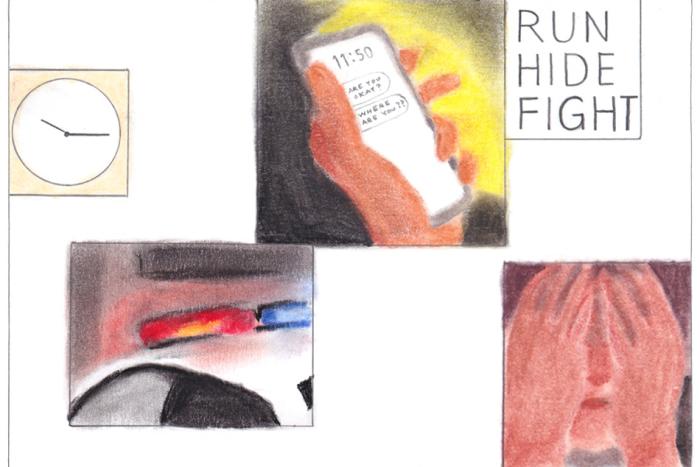
What does a campus shooting feel like?
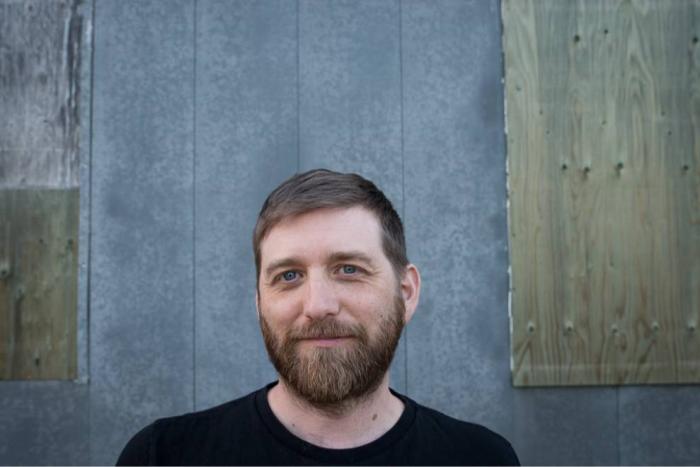
People love John Samson Fellows’s music. He doesn’t want to make it anymore.
Latest
Congratulations to all the nominees!
People love John Samson Fellows’s music. He doesn’t want to make it anymore.


When Wanda bought the house, she didn’t imagine that anyone in the community would recognize that she and Lynn were queer.


Just as a wall does not separate but binds two things together, language keeps us inextricably entangled and inextricably separate.

Ambulance services, at their core, are about transportation. We arrive at the crisis point of a story and we almost never witness its resolution.
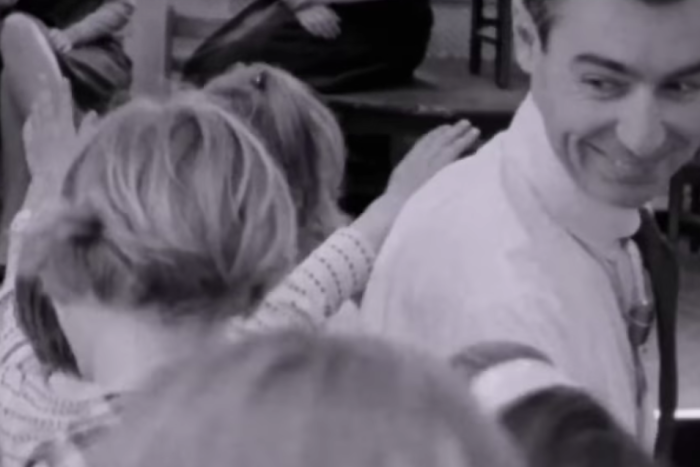
With his unconventional take on children's television, Mr. Rogers helped redefine the male role model.
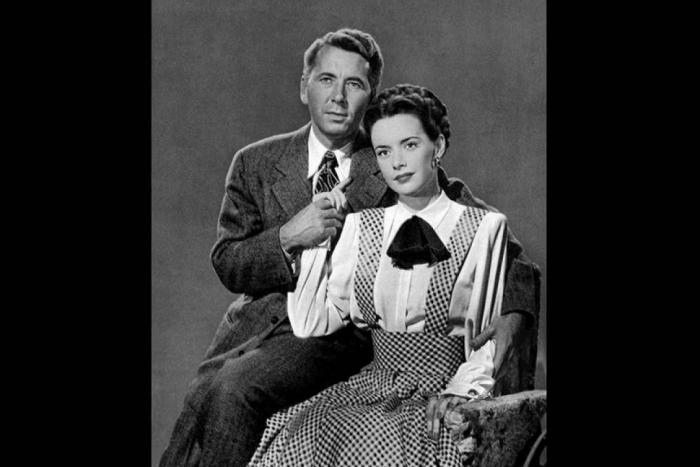
Susan Peters was an Academy Award-nominated actress, a trainee pilot, a medical student. But it was a shooting incident in 1945 that would come to define her.

Ramadan this year was a sacred starting point for me in the process of letting go. It’s helped me understand that my anger can, and will, illuminate me.
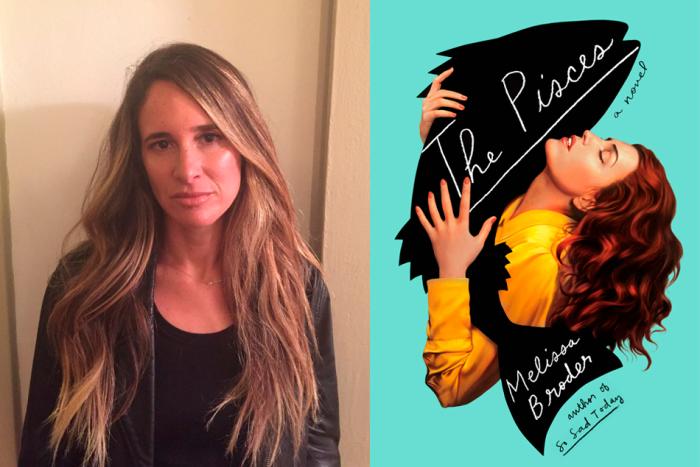
The author of The Pisces talks astrology, fish sex and filling existential holes.