

Congratulations to all the nominees!
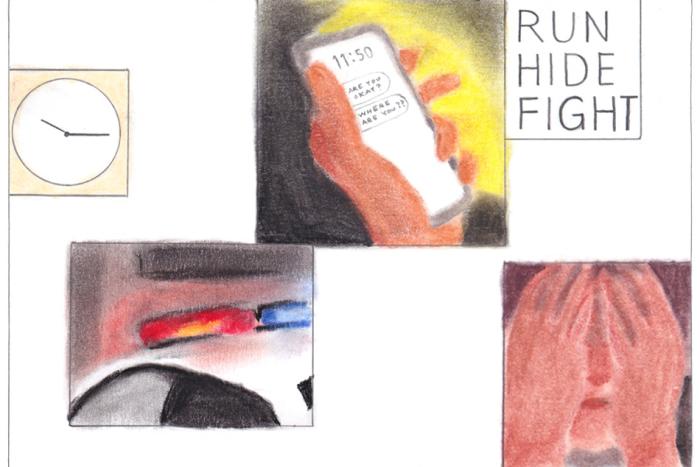
What does a campus shooting feel like?

People love John Samson Fellows’s music. He doesn’t want to make it anymore.
Latest
Congratulations to all the nominees!
People love John Samson Fellows’s music. He doesn’t want to make it anymore.

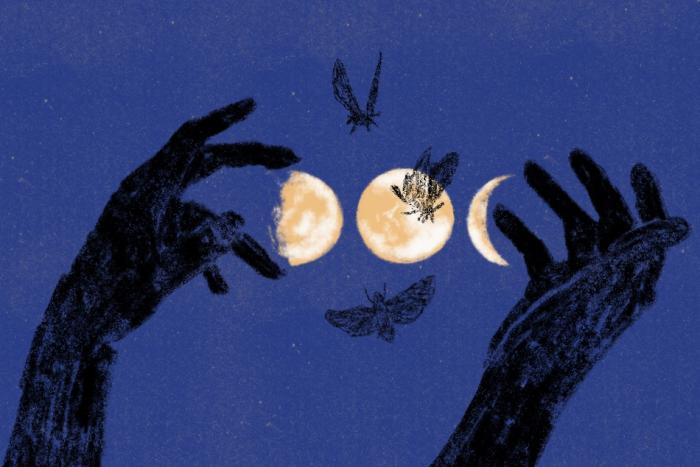

When Wanda bought the house, she didn’t imagine that anyone in the community would recognize that she and Lynn were queer.
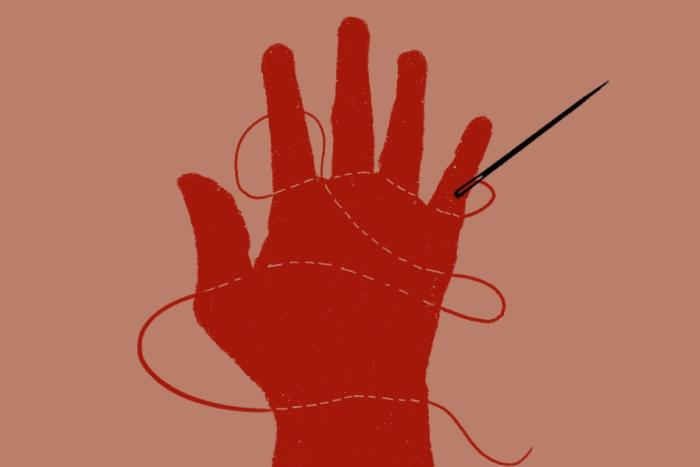



The authors of The Memoirs of Miss Chief Eagle Testickle on creation stories, narrating suppressed accounts, and exposing subjectivity.
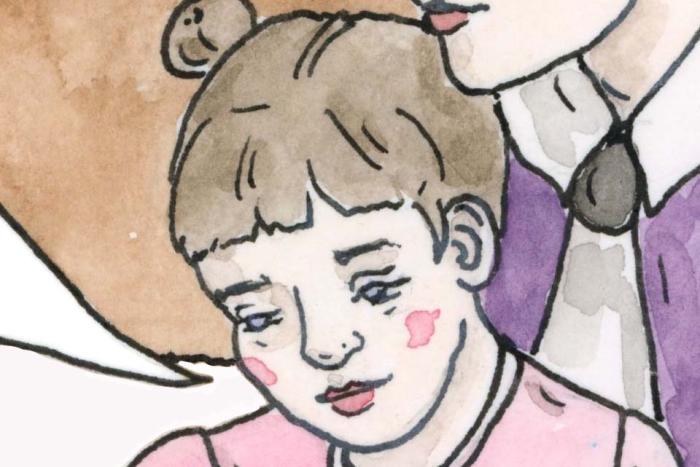


Relearning to walk—and, more importantly, to see.

What we learn from a scientific intimacy is more than just another way of looking at the term “intimacy” itself but to look away from that obscure, meaningless construct of intimacy as merely being close to one another.