

Congratulations to all the nominees!
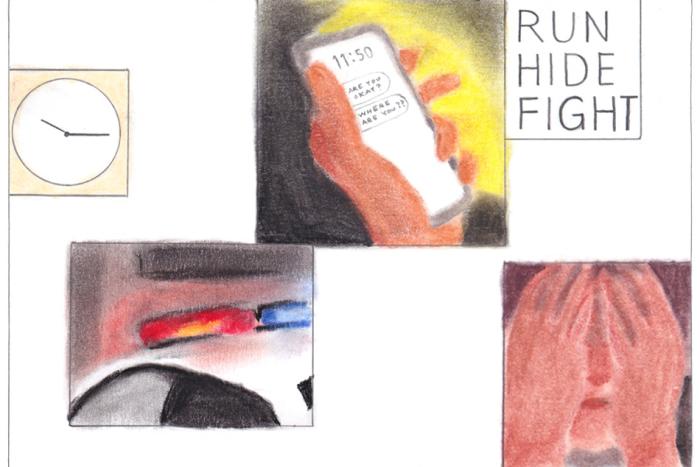
What does a campus shooting feel like?
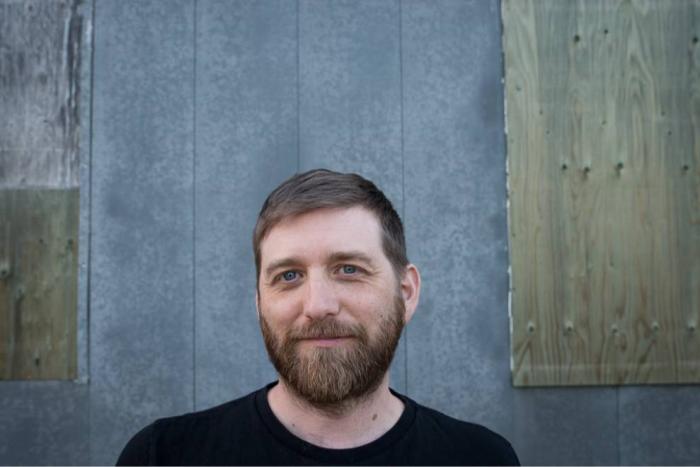
People love John Samson Fellows’s music. He doesn’t want to make it anymore.
Latest
Congratulations to all the nominees!
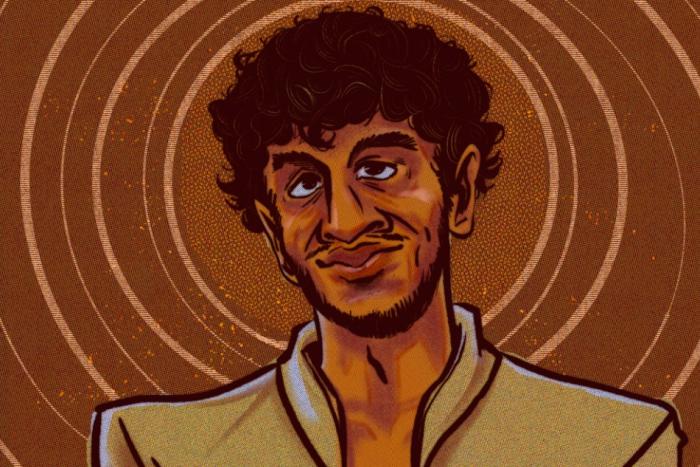
People love John Samson Fellows’s music. He doesn’t want to make it anymore.

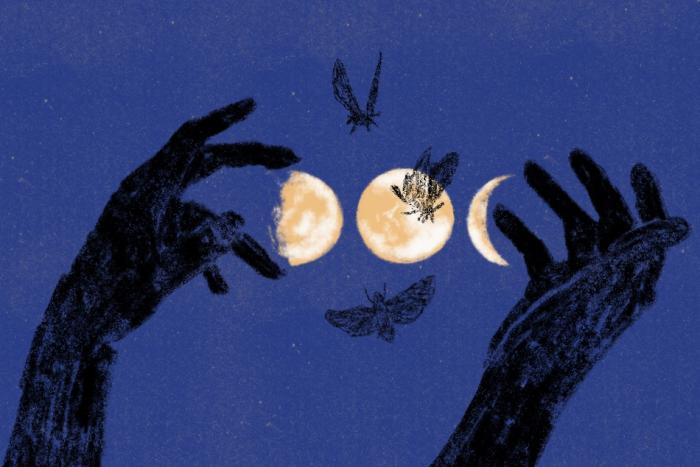
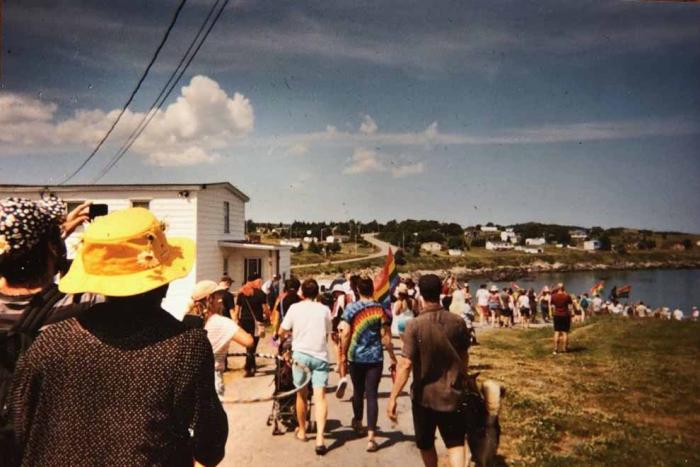
When Wanda bought the house, she didn’t imagine that anyone in the community would recognize that she and Lynn were queer.

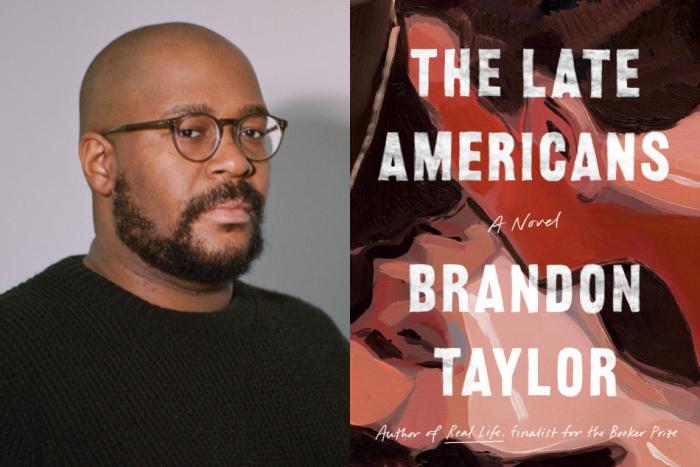
The author of The Late Americans on ecstatic first drafts, satirizing the MFA, and characters who stake their lives on art.
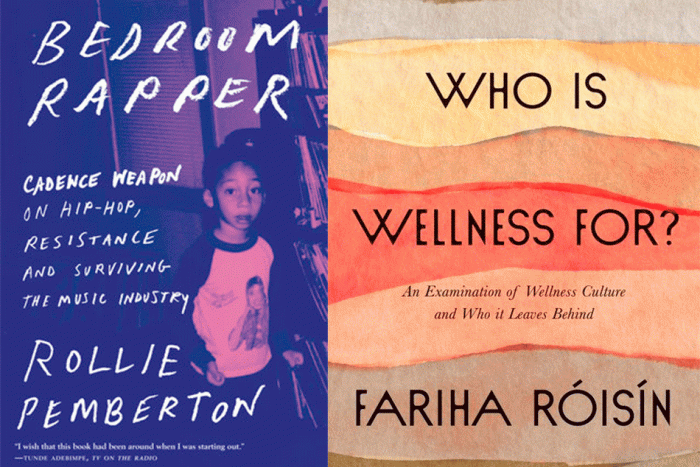
Writers Rollie Pemberton (Bedroom Rapper) and Fariha Roisin (Who is Wellness For?) talk about coming of age artistically in predominantly white spaces, the power of vulnerability, and the intersection between capitalism and health.
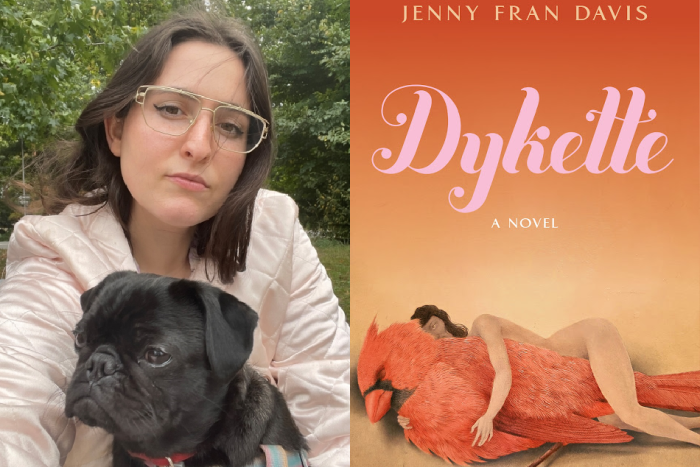
The author of Dykette explores the tantalizing possibilities in stories of queer love.

What does a person who is universally loved need saving from anyway?