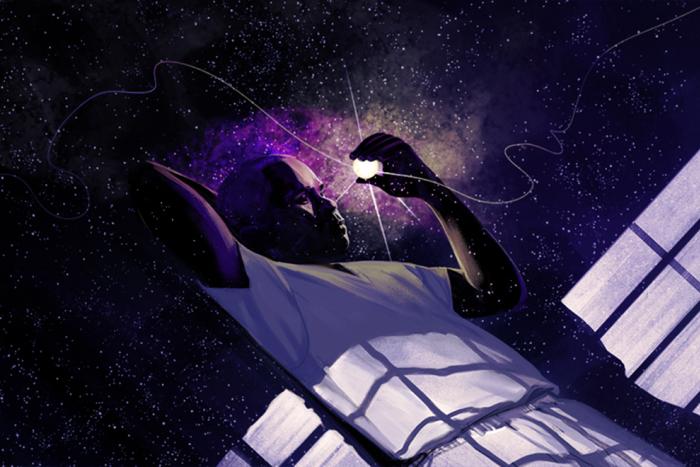
Congratulations to all the nominees!
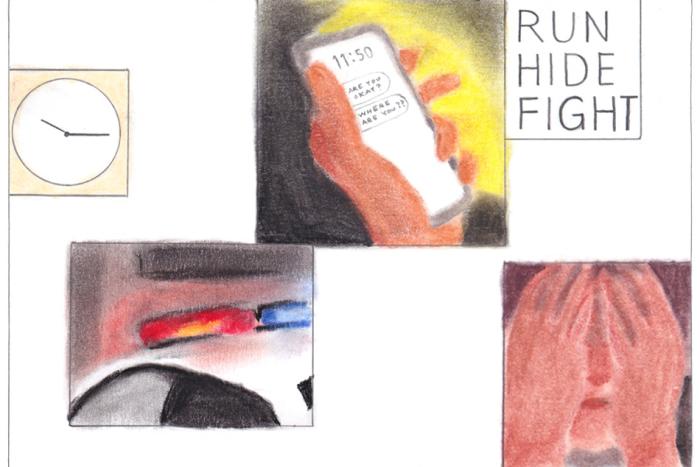
What does a campus shooting feel like?

People love John Samson Fellows’s music. He doesn’t want to make it anymore.
Latest
Congratulations to all the nominees!
People love John Samson Fellows’s music. He doesn’t want to make it anymore.

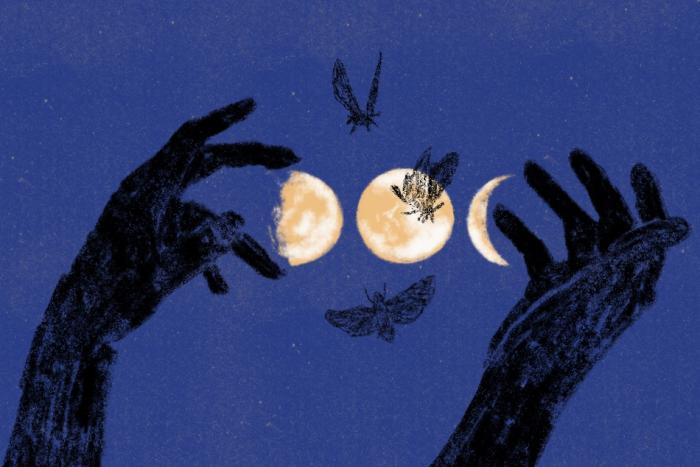

When Wanda bought the house, she didn’t imagine that anyone in the community would recognize that she and Lynn were queer.
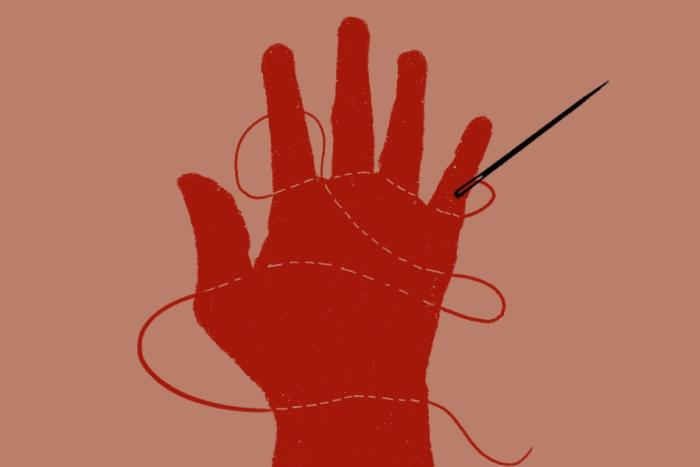


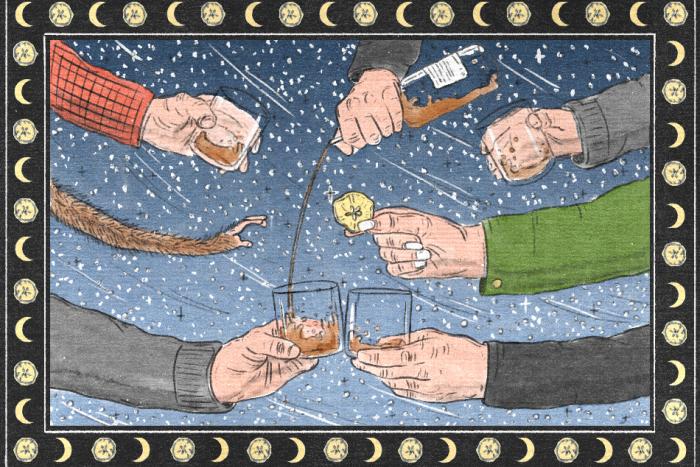
Unrelenting snow, bottomless drinks, unexpected acquaintances, and strange sights.

In an abandoned military barracks in rural Germany, Ben Green prepares for the end of the world
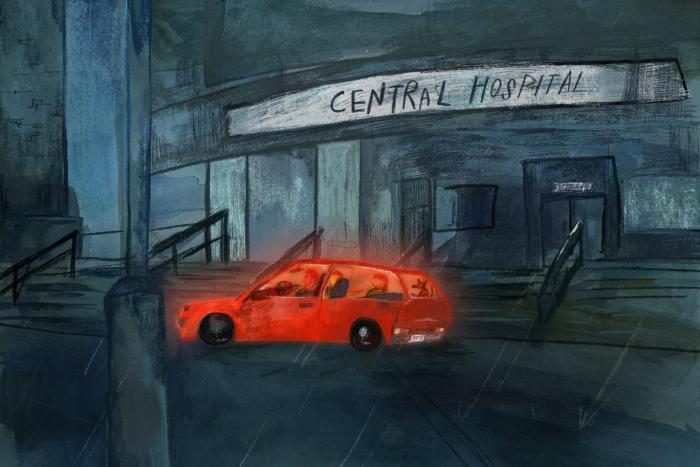
Is it okay that he’s over here so often, hooking up my mum’s speakers and swirling his single malt Scotch? We all wonder, we never ask.

Whatever angle you look at it, one detail is incontrovertible: in the end, a man is going to be killed.